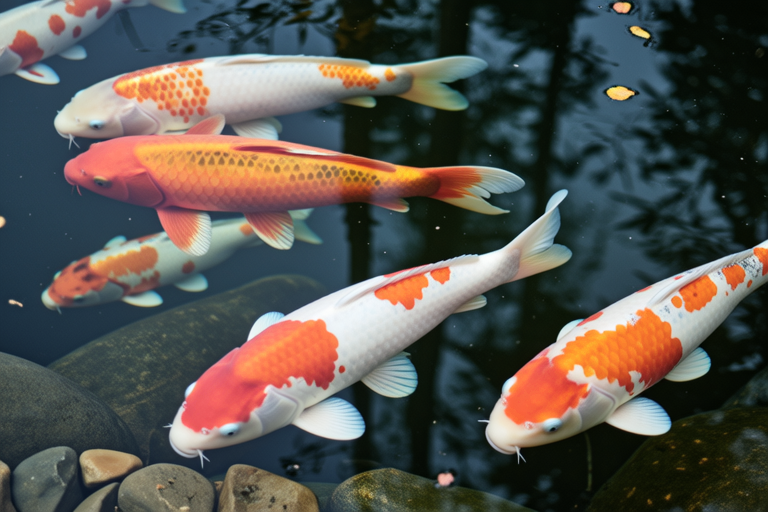
How to Choose the Perfect Koi for Your Home Pond
Welcome to the fascinating world of koi keeping! If you’re considering adding these majestic creatures to your home pond, you’ve made a wonderful choice. Koi, or Niigata carassius auratus, are not just fish; they are living works of art that can bring joy and tranquility to any garden. However, choosing the right koi requires careful consideration. This guide will walk you through the process of selecting the perfect koi for your pond, ensuring both you and your new aquatic companions enjoy a harmonious relationship.
Understanding Koi Varieties
Koi come in a wide array of colors and patterns, each variety having its unique charm. The most common types include:
- Red (Hi): Known for their vibrant red coloring, these koi often have white or black markings.
- White (Shiro): Pure white koi, sometimes with red or black accents, are elegant and striking.
- Black (Magoi): These solid black beauties are often paired with other colors for contrast.
- Blue (Ai): A rare and stunning blue variety, often seen in combination with red or white.
- Yellow (Ki): Bright yellow koi, also known as goldfish, add a splash of sunshine to any pond.
Each variety has specific care requirements, so it’s important to research thoroughly before making your selection.
Selecting Size and Color
When choosing the size of your koi, consider the size of your pond. Larger ponds can accommodate bigger koi, while smaller ponds may be better suited for juvenile or medium-sized fish. It’s generally recommended that each koi should have at least 100 gallons of water per inch of fish length.
Color selection is largely a matter of personal preference. However, certain colors can blend better with your pond’s surroundings, enhancing the overall aesthetic. For instance, red and white koi might stand out more against green foliage, whereas blue or black koi could provide a striking contrast.
Health Indicators to Look For
Before bringing your new koi home, it’s crucial to ensure they are healthy. Healthy koi should display vibrant colors and have smooth, unblemished scales. Their eyes should be clear and alert, and they should swim gracefully without favoring one side. Additionally, check for signs of parasites or fungal infections, which may appear as white spots or patches on the skin.
Compatibility with Existing Pond Life
Introducing new koi to an existing pond requires careful planning. First, ensure that the current inhabitants are compatible with koi. Some species, like goldfish, can coexist peacefully with koi, while others may pose a threat. Always introduce new fish gradually to allow them to acclimate to their new environment.
Moreover, consider the impact of additional fish on the pond’s ecosystem. More fish mean more waste, which can lead to increased ammonia levels. Proper filtration and regular water changes become even more critical in maintaining a healthy environment.
Dietary Needs
Koi are omnivorous, meaning they eat both plant-based and animal-based foods. A balanced diet typically includes high-quality pellets, fresh vegetables, and occasional live or frozen foods. It’s important to feed koi small amounts several times a day rather than large meals infrequently. Overfeeding can lead to excess waste and poor water quality.
During colder months, koi may slow down their metabolism, requiring less food. Adjust feeding schedules accordingly to prevent waste and maintain optimal water conditions.
Maintenance Tips
Proper maintenance is essential for the well-being of your koi. Regularly test the water for pH, ammonia, nitrite, and nitrate levels to ensure a healthy environment. Perform partial water changes every few weeks to remove accumulated toxins and refresh the water.
Filtration systems play a vital role in maintaining water quality. Consider investing in a high-quality filter that can handle the volume of your pond. Additionally, incorporate biological filtration media to support beneficial bacteria that break down harmful compounds.
Creating a Suitable Environment
To ensure your koi thrive, create an environment that mimics their natural habitat. Provide ample space for swimming and hiding spots, such as rocks, plants, or artificial structures. Koi are social animals and enjoy interacting with each other, so consider keeping a group rather than a single fish.
Water temperature is another crucial factor. Koi prefer temperatures between 68°F and 74°F (20°C and 23°C). Use heaters or coolers to maintain ideal conditions year-round. Additionally, ensure proper oxygenation by installing aeration devices or waterfall features.
Conclusion
Choosing the perfect koi for your home pond involves careful thought and preparation. By understanding different koi varieties, considering size and color preferences, ensuring good health, promoting compatibility, providing appropriate diets, and maintaining a suitable environment, you’ll be well on your way to enjoying a beautiful and thriving pond. Remember, patience and dedication are key to successful koi keeping. Happy fishing!
