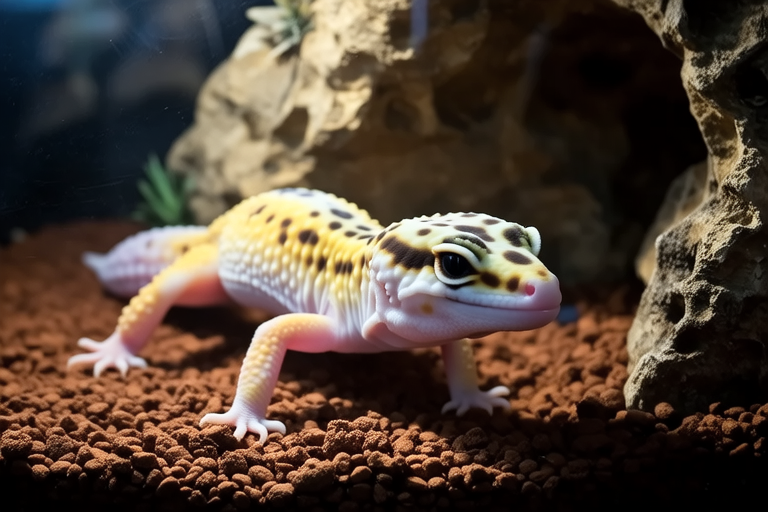
From Tank Setup to Treats: Everything You Need for a Thriving Leopard Gecko
Leopard geckos have captured the hearts of reptile enthusiasts around the world with their gentle demeanor, unique appearance, and relatively simple care needs. With their striking patterns, curious personalities, and low-maintenance lifestyle, these small lizards make excellent pets for both beginners and experienced herpetologists alike. Unlike some other reptiles, leopard geckos are typically calm, easy to handle, and thrive in well-designed enclosures that mimic their natural desert habitat. But behind their charming exterior lies a set of specific requirements that, when met, ensure a long, healthy life—often spanning 15 to 20 years.
Whether you’re stepping into the world of pet ownership for the first time or expanding your collection, understanding every aspect of leopard gecko care is essential. From choosing the right tank setup to providing balanced nutrition and fostering a trusting relationship, this guide covers everything you need to know to give your gecko the best possible life. Let’s dive into the key elements that turn a basic terrarium into a thriving home for your scaly companion.
Creating the Ideal Enclosure: Size, Substrate, and Environment
The foundation of a happy leopard gecko begins with a properly sized and equipped enclosure. While smaller tanks might seem convenient, they can lead to stress and health problems over time. A minimum recommended size for a single adult leopard gecko is a 10-gallon (approximately 38-liter) tank. However, larger enclosures—such as a 20-gallon long or even a 40-gallon breeder tank—are ideal, especially if you plan to house more than one gecko or want to create a more naturalistic environment.
When it comes to substrate—the material lining the bottom of the tank—avoid loose materials like sand, gravel, or bark chips. These pose a serious risk of impaction if ingested during feeding or exploration. Instead, opt for safer alternatives such as paper towels, reptile carpet, or tile. Paper towels are inexpensive and easy to replace, making them perfect for beginners or geckos recovering from illness. Reptile carpet is durable and provides a non-slip surface, while ceramic tiles offer a clean, easy-to-wipe surface that helps regulate temperature.
Providing hiding spots is crucial for your gecko’s sense of security. In the wild, leopard geckos spend much of their time tucked away under rocks and in crevices. Your enclosure should include at least two hides—one on the warm side and one on the cool side. These can be commercial hide boxes made from wood or plastic, or even DIY options like half-log tunnels or ceramic crocks. Make sure hides are large enough for your gecko to fully curl up inside and placed in opposite corners to allow for proper temperature gradients.
Temperature and Humidity: Maintaining the Right Balance
Leopard geckos are native to arid regions of Asia, so replicating their natural desert climate is key. They require a temperature gradient within their enclosure to thermoregulate effectively. The warm side of the tank should be maintained between 88°F and 92°F (31°C–33°C), while the cool side should remain around 75°F to 80°F (24°C–27°C). Nighttime temperatures can safely drop to 70°F–75°F (21°C–24°C).
To achieve this, use a heat mat placed underneath the tank (not on top) and connected to a reliable thermostat. Heat mats are preferred because they provide consistent, gentle warmth without creating hot spots or drying out the air. Never use overhead heat lamps, as they can cause dehydration and disrupt your gecko’s natural day-night cycle. A thermostat is not optional—it prevents overheating and ensures stable temperatures, protecting your gecko from potential burns or stress.
Humidity levels should be kept low, ideally between 40% and 60%. Higher humidity increases the risk of respiratory infections and fungal growth. To monitor humidity, use a digital hygrometer placed inside the enclosure. If needed, reduce humidity by improving ventilation or using a dehumidifier nearby. Avoid misting unless your gecko is shedding or experiencing minor issues—excessive moisture can lead to health complications.
Lighting: What You Really Need
Unlike many reptiles, leopard geckos do not require UVB lighting. They are nocturnal creatures that rely on ambient light cues rather than direct sunlight for vitamin D synthesis. However, maintaining a natural day-night cycle is important for their overall well-being. Use a timer to simulate 12 hours of light followed by 12 hours of darkness. This helps regulate their internal clock and supports normal behaviors like feeding and breeding.
For lighting, a simple LED bulb or low-wattage incandescent bulb is sufficient. Avoid bright white lights or blue LEDs, which can be stressful. Instead, choose soft, warm-toned bulbs that mimic dusk and dawn. The goal is to provide visibility without disrupting your gecko’s natural rhythm.
Nutrition: Feeding Schedule and Diet Essentials
A balanced diet is vital for your gecko’s growth, immune system, and longevity. Leopard geckos are insectivores, meaning they eat insects exclusively. The staple foods should be gut-loaded crickets and mealworms. “Gut-loading” means feeding these insects nutritious foods (like carrots, sweet potatoes, and high-quality cricket chow) before offering them to your gecko. This ensures your pet receives essential vitamins and minerals through its prey.
Offer insects that are no larger than the space between your gecko’s eyes. Overly large prey can lead to choking or digestive issues. Young geckos (under 6 months) should be fed daily, while adults can be fed every other day. Adjust portion sizes based on your gecko’s size and activity level—typically 3 to 5 small crickets per feeding is enough for an adult.
Supplementation is critical. Dust each meal with a calcium supplement without vitamin D3 (unless your gecko is exposed to UVB, which it isn’t). Use a multivitamin supplement once a week to cover other nutrient needs. Always follow the manufacturer’s instructions—over-supplementation can be harmful.
Hydration: Keeping Your Gecko Well-Watered
While leopard geckos get some moisture from their food, they still need access to fresh water. Place a shallow, heavy-bottomed water bowl in the enclosure—preferably on the cool side. The bowl should be wide enough to prevent tipping but shallow enough that your gecko cannot drown. Clean and refill the water bowl daily to prevent bacterial growth.
Some geckos may not drink from bowls, especially if they’re shy or prefer to absorb moisture from their environment. In such cases, misting the enclosure lightly once a day can help increase humidity and encourage drinking. However, avoid over-misting—this can promote mold and bacterial buildup. Alternatively, consider placing a damp paper towel in a hide box during shedding periods to aid in the process.
Handling and Socialization: Building Trust
Leopard geckos are generally docile and tolerate handling well, but patience and gentleness are key. Never pick up your gecko immediately after bringing it home—allow it time to acclimate to its new environment, usually 3 to 7 days. When ready, approach slowly and let your gecko come to you. Gently scoop it from the side, supporting its body with both hands.
Start with short handling sessions—5 to 10 minutes—and gradually increase duration as your gecko becomes more comfortable. Avoid handling too frequently, especially during shedding or after feeding (wait at least 2 hours post-meal). Sudden movements, loud noises, or rough handling can startle your gecko and trigger defensive behaviors like tail loss (though this regenerates eventually).
Use handling as an opportunity to bond. Speak softly, move calmly, and watch for signs of stress—such as puffing up, biting, or attempting to escape. Respect your gecko’s boundaries, and never force interaction. With time and consistency, most geckos become curious and responsive to their owners.
Common Health Issues and Prevention Tips
Prevention is always better than treatment. Most common health problems in leopard geckos stem from improper husbandry. Here are the most frequent issues and how to avoid them:
- Impaction: Caused by ingesting loose substrate. Prevent this by using safe substrates and avoiding feeding in the main enclosure.
- Dehydration: Results from inadequate water access or excessive heat. Ensure a clean water bowl and maintain correct temperature and humidity levels.
- Shedding Problems: Sticky sheds often indicate low humidity or poor hydration. Provide a moist hide during shedding cycles.
- Metabolic Bone Disease (MBD): Caused by calcium deficiency or lack of proper supplementation. Regular dusting with calcium powder prevents this.
- Respiratory Infections: Often linked to cold temperatures or high humidity. Keep the enclosure warm and dry, and monitor for wheezing or mucus discharge.
If you notice any changes in behavior—such as lethargy, loss of appetite, weight loss, or unusual discharge—consult a veterinarian who specializes in reptiles. Early intervention can save your gecko’s life.
Grooming and Maintenance: Daily and Weekly Routines
Leopard geckos don’t require grooming like cats or dogs, but regular cleaning is essential for their health. Perform spot-cleaning daily by removing feces, uneaten food, and shed skin. Replace the substrate every 1 to 2 months, depending on the type used. Deep cleaning of the entire enclosure—washing all decor and replacing substrate—should be done monthly using a reptile-safe disinfectant.
Inspect your gecko weekly for signs of injury, infection, or abnormal behavior. Check the eyes, mouth, and skin for swelling, discoloration, or lesions. Monitor weight regularly—sudden drops may indicate underlying issues. Keeping a care journal helps track feeding habits, shedding cycles, and any health concerns.
Responsible Pet Ownership: More Than Just Care
Owning a leopard gecko is a long-term commitment. These animals live for 15 to 20 years, sometimes longer with exceptional care. Before bringing one home, consider whether you’re prepared for the responsibility—not just financially, but emotionally and logistically. You’ll need to invest in quality supplies, maintain a consistent routine, and be willing to learn and adapt.
Never buy from pet stores that keep geckos in overcrowded or unsanitary conditions. Opt for reputable breeders or rescue organizations. Ask questions about the gecko’s origin, health history, and care practices. A healthy gecko should be alert, active, and have clear eyes and smooth skin.
Lastly, remember that every gecko has its own personality. Some are bold and curious; others are shy and reclusive. Embrace their individuality and build a relationship based on trust and respect. Your gecko may not show affection like a dog, but it will recognize your presence, respond to your voice, and even enjoy your company.
Conclusion: A Lifelong Bond Built on Care and Understanding
Raising a leopard gecko goes beyond simply meeting physical needs—it’s about creating a safe, enriching environment where your pet can thrive. From selecting the right tank and substrate to establishing a nutritious diet and building trust through gentle handling, every choice shapes your gecko’s quality of life.
As you progress in your journey, you’ll find joy in observing your gecko’s unique behaviors—the way it flicks its tongue, explores its hide, or stretches in the warm light. These moments, though subtle, form the heart of a deep, rewarding bond between you and your pet.
With patience, attention, and love, your leopard gecko will not only survive but flourish. And in return, it will reward you with quiet companionship, fascinating habits, and the lasting satisfaction of knowing you’ve given a living creature the very best life possible. Welcome to the world of responsible, joyful gecko ownership—one step, one treat, one moment at a time.
