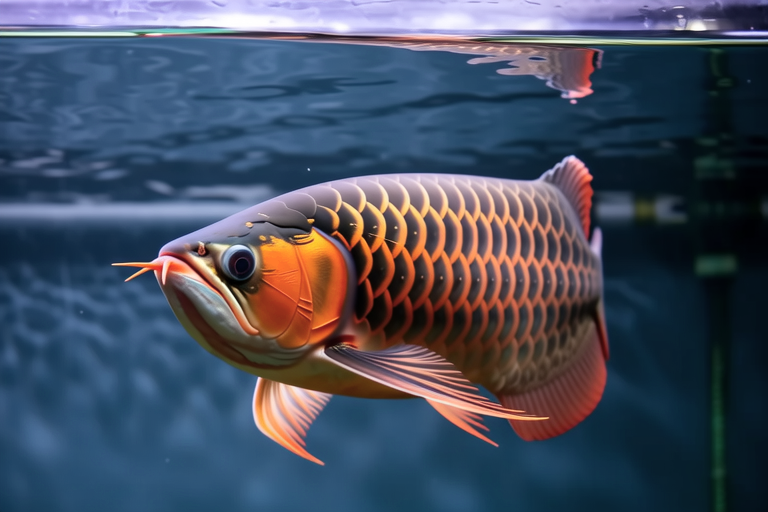
From River Royalty to Aquarium Star: A Deep Dive into Arowana Care
In the world of freshwater fish, few species command the attention and respect that arowanas do. Known as "river royalty," these majestic creatures have captivated aquarists for centuries with their striking appearance and regal demeanor. Native to Southeast Asia, South America, and Africa, arowanas belong to the family Osteoglossidae, a group of ancient bony-tongued fishes that have remained relatively unchanged for millions of years. Their elongated bodies, adorned with shimmering scales, and powerful tails make them stand out in any aquarium. This article will guide you through the essentials of arowana care, from setting up the perfect tank to understanding their dietary needs and common health issues.
The Majestic Origins of Arowanas
Arowanas are often referred to as "dragonfish" due to their resemblance to mythical dragons, and their status as river royalty is well-deserved. These fish are found in various habitats, including slow-moving rivers, floodplains, and even swamps. They are highly territorial and can grow up to 3 feet long, making them a formidable presence in their natural environment. In some cultures, arowanas are considered symbols of good fortune and prosperity, further enhancing their allure among collectors and enthusiasts.
Setting Up the Ideal Tank for Arowanas
Creating a suitable habitat for your arowana is crucial for their health and well-being. Given their size and active nature, arowanas require spacious tanks that allow ample swimming space. For a single adult arowana, a tank measuring at least 48 inches long, 24 inches wide, and 24 inches deep is recommended. Larger tanks are preferable for multiple arowanas or if you plan to keep other large fish species alongside them.
The tank should be equipped with a robust filtration system capable of handling high water volumes and efficiently removing waste products. Arowanas produce a significant amount of waste, so a strong filter is essential to maintain water quality. Additionally, consider incorporating a powerful external filter to ensure optimal water circulation.
Water parameters are equally important. Arowanas thrive in slightly acidic to neutral water conditions, with a pH range of 6.0 to 7.5. The temperature should be maintained between 75°F and 82°F (24°C to 28°C). Regular water changes are necessary to keep the water clean and free from harmful substances.
Dietary Needs and Feeding Tips
Arowanas are carnivorous and require a balanced diet rich in protein. In the wild, they feed on insects, small fish, crustaceans, and even birds that venture too close to the water’s surface. When kept in captivity, it’s essential to replicate this diet as closely as possible. High-quality pellets designed for large predatory fish are a good starting point. However, variety is key, so supplement their diet with live or frozen foods such as bloodworms, brine shrimp, and small feeder fish. Feeding a diverse diet ensures they receive all the necessary nutrients for optimal health.
Feed your arowana 2-3 times per week, providing enough food for them to consume within 5 minutes. Overfeeding can lead to obesity and health problems, so it’s crucial to monitor their feeding habits and adjust portion sizes accordingly.
Common Health Issues and Maintenance Tips
Like any aquatic pet, arowanas can be susceptible to certain health issues. One of the most common ailments is fin rot, which can be caused by poor water quality or bacterial infections. Regular water changes and maintaining proper water parameters are vital in preventing this condition. Signs of fin rot include frayed or discolored fins. If noticed, consult a veterinarian specializing in exotic fish for appropriate treatment.
Another issue to watch out for is swim bladder disorder, which can cause buoyancy problems. This condition can result from overfeeding or genetic factors. To prevent it, ensure your arowana has a varied diet and avoid overfeeding. If you notice your fish struggling to maintain its position in the water, seek professional advice.
To maintain a healthy environment, perform weekly partial water changes of about 20% of the total volume. This helps remove accumulated waste and maintains stable water chemistry. Additionally, ensure the tank is adequately heated and filtered, and consider adding live plants to provide hiding spots and enhance water quality.
Enriching the Aquarium Habitat
Creating an enriched habitat not only benefits your arowana but also enhances the overall aesthetic appeal of your aquarium. Incorporate sturdy decorations such as driftwood, rocks, and caves to mimic their natural environment. These structures provide hiding places and stimulate natural behaviors like exploring and resting. Live plants can also be beneficial, though it’s important to choose hardy varieties that can withstand the robust movements of arowanas.
Proper lighting is another aspect to consider. Arowanas are crepuscular, meaning they are most active during dawn and dusk. Use full-spectrum LED lights to simulate natural daylight cycles, promoting healthy coloration and behavior. Ensure the lighting cycle mimics a day-night pattern, allowing your arowana to establish a routine.
The Rewarding Experience of Keeping Arowanas
Keeping arowanas as pets is a rewarding experience that comes with its own set of unique challenges and joys. Their intelligence and interactive nature make them fascinating companions. Arowanas are known to recognize their caretakers and may even respond to feeding cues, creating a bond between fish and owner.
Observing their behaviors can be particularly captivating. Arowanas are skilled jumpers and often leap out of the water to catch prey. While this behavior is part of their natural hunting technique, it’s essential to cover the tank to prevent accidents. Their interactions with other fish, especially during feeding time, can be both entertaining and educational.
For experienced aquarists, keeping arowanas offers a sense of accomplishment. Successfully maintaining these magnificent creatures requires dedication and knowledge, making it a fulfilling hobby. For novices, starting with arowanas can be an excellent way to learn about advanced fishkeeping techniques and the importance of providing optimal care.
Whether you’re a seasoned aquarist or new to the hobby, arowanas offer a unique and enriching experience. Their majestic presence, coupled with their interesting behaviors and interactions, makes them a standout choice for any aquarium enthusiast.
