Top 10 Myths About Hermit Crabs Debunked!
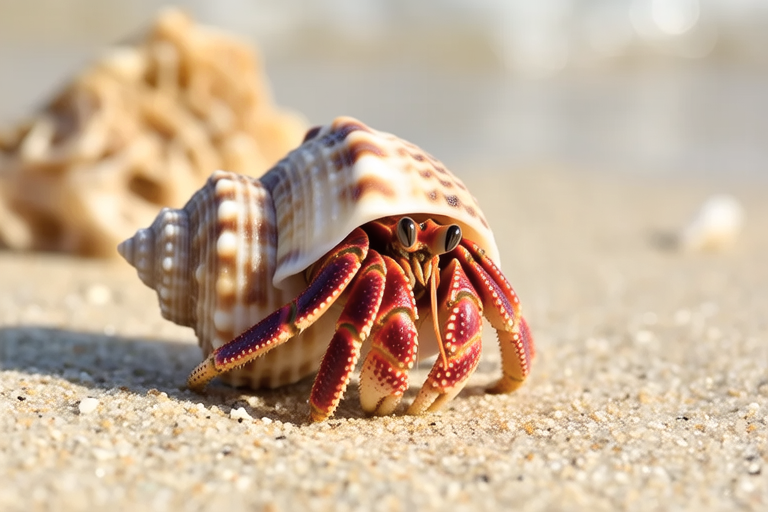
Hermit crabs have long been a favorite among pet enthusiasts due to their unique appearance and relatively low maintenance requirements. These fascinating creatures are known for their ability to carry their homes—empty seashells—on their backs. With their bright eyes and colorful antennae, hermit crabs are not only visually appealing but also quite interactive, making them popular pets in households around the world. Despite their growing popularity, many myths and misconceptions surround these delightful creatures. This article aims to debunk ten of the most common myths about hermit crabs, providing you with accurate information to ensure your hermit crabs lead healthy and happy lives.
Myth 1: Hermit Crabs Don’t Need Water
Why It’s Incorrect: Many people believe that hermit crabs can survive without water, which is far from the truth. In reality, hermit crabs need access to fresh and saltwater to maintain their health.
The Fact: Hermit crabs require both fresh and saltwater to stay hydrated and to help them shed their exoskeletons. Freshwater helps them drink and hydrate their gills, while saltwater is necessary for osmoregulation, a process that maintains the balance of fluids in their bodies. Providing both types of water is essential for their well-being.
Myth 2: Hermit Crabs Can Live Without a Shell
Why It’s Incorrect: Some individuals mistakenly think that hermit crabs can live without shells, perhaps because they see the crabs occasionally leaving their shells.
The Fact: Hermit crabs cannot survive without a shell. Their soft abdomens are protected by the shells they inhabit, and they will seek out new shells as they grow. Without a shell, they would be vulnerable to predators and environmental damage. Ensuring a variety of appropriately sized shells in their habitat is crucial for their safety and comfort.
Myth 3: Hermit Crabs Are Easy to Feed
Why It’s Incorrect: The ease of feeding hermit crabs is often overstated, leading some owners to believe that any food will suffice.
The Fact: Hermit crabs are omnivorous and require a balanced diet consisting of proteins, carbohydrates, and fats. They enjoy a variety of foods including fruits, vegetables, and protein-rich items like fish or shrimp. It’s important to avoid feeding them processed foods or those high in sugar, as these can be harmful. A diverse diet ensures they get all the nutrients they need.
Myth 4: Hermit Crabs Don’t Need Company
Why It’s Incorrect: There’s a misconception that hermit crabs are solitary animals and don’t benefit from companionship.
The Fact: Hermit crabs are social creatures that thrive in the company of others. In the wild, they often live in large groups, and this social interaction is important for their mental and physical health. Keeping multiple hermit crabs together in a spacious habitat encourages natural behaviors such as exploring and playing.
Myth 5: Hermit Crabs Don’t Require Humidity
Why It’s Incorrect: Some people assume that humidity isn’t important for hermit crabs, possibly due to the dry environments they sometimes find themselves in.
The Fact: Maintaining the right level of humidity is crucial for hermit crabs. High humidity helps them breathe through their gills and prevents dehydration. Ideally, the humidity in their habitat should be kept between 70% and 80%. Using a hygrometer to monitor humidity levels and adding moisture-retaining substrates can help maintain the optimal environment.
Myth 6: Hermit Crabs Are Harmless to Other Pets
Why It’s Incorrect: There’s a belief that hermit crabs pose no threat to other household pets.
The Fact: While hermit crabs are generally peaceful, they can potentially harm smaller pets like hamsters or guinea pigs if given the opportunity. Their claws can cause injury, so it’s best to keep hermit crabs separate from other pets to prevent accidents.
Myth 7: Hermit Crabs Don’t Need UV Light
Why It’s Incorrect: Some owners believe that hermit crabs don’t require UV light since they spend most of their time inside their shells.
The Fact: Although hermit crabs are nocturnal and spend much of their time in their shells, exposure to UV light is beneficial for their overall health. UV light helps hermit crabs produce vitamin D, which aids in calcium absorption. Providing a small, controlled amount of UV light can support their growth and development.
Myth 8: Hermit Crabs Don’t Communicate
Why It’s Incorrect: It’s commonly thought that hermit crabs are silent creatures that don’t communicate.
The Fact: Hermit crabs do communicate, though their methods are subtle. They use vibrations and chemical signals to interact with each other. Observant owners may notice these interactions, especially when introducing new crabs to their habitat or during feeding times.
Myth 9: Hermit Crabs Have Short Lifespans
Why It’s Incorrect: Many people underestimate the lifespan of hermit crabs, assuming they live only a few years.
The Fact: With proper care, hermit crabs can live for several decades. Their longevity depends greatly on the quality of their environment and diet. Ensuring a healthy habitat and providing nutritious food can significantly extend their lives.
Myth 10: Hermit Crabs Are Low Maintenance
Why It’s Incorrect: The idea that hermit crabs are easy to care for can lead to neglectful practices.
The Fact: While hermit crabs are less demanding than some other pets, they still require careful attention to their specific needs. Regular cleaning of their habitat, maintaining appropriate temperature and humidity, and providing a varied diet are all essential for their well-being. Proper care ensures that hermit crabs remain healthy and active for many years.
Tips for Proper Hermit Crab Care
Now that we’ve debunked these myths, here are some tips to ensure your hermit crabs live happily:
- Provide a spacious habitat with plenty of hiding spots and climbing structures.
- Ensure access to both fresh and saltwater, and keep humidity levels consistent.
- Offer a varied diet rich in proteins, carbohydrates, and fats.
- Keep hermit crabs in groups to encourage social interaction.
- Regularly clean their habitat to prevent disease and promote good health.
- Monitor their behavior and consult a veterinarian if you notice any signs of illness.
By understanding the true needs of hermit crabs and addressing common misconceptions, you can provide your pets with the best possible care. Responsible ownership involves creating a safe, stimulating environment that supports their physical and emotional well-being. Enjoy the rewarding experience of caring for these fascinating creatures!
