Munchkin Cats: A Journey Through History, Health, and Personality
The world of cat enthusiasts has been enriched by the introduction of Munchkin cats, a breed that captivates hearts with their unique appearance and delightful personalities. These enchanting creatures have garnered attention for their unusually short legs, which set them apart from other feline breeds. This article delves into the history, health considerations, and charming traits of Munchkin cats, offering insights from devoted owners who have experienced the joy of living with these special felines.
A Brief History of Munchkin Cats
The origin of Munchkin cats can be traced back to Louisiana, where a domestic shorthair cat gave birth to a litter of kittens, one of which had notably shorter legs. The breeder, Sandra Hochenedel, recognized the uniqueness of this trait and, along with her partner, began selectively breeding these cats. Their efforts led to the establishment of the Munchkin breed in the early 1990s. Over time, the breed gained recognition from various cat registries, including The International Cat Association (TICA).
Unique Characteristics of Munchkin Cats
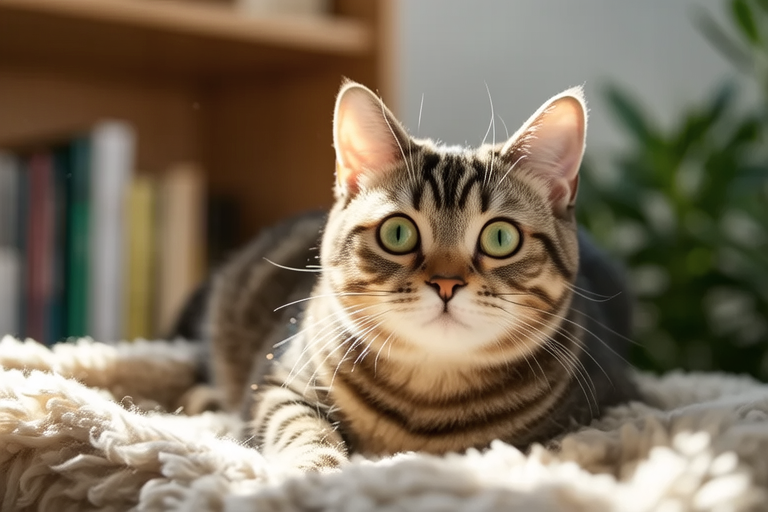
One of the most distinctive features of Munchkin cats is their disproportionately short legs, which give them a unique gait and appearance. Despite their short stature, they are agile and quick, often surprising their owners with their ability to leap and climb. Their coats come in a variety of colors and patterns, adding to their visual appeal. Their large, expressive eyes and playful demeanor make them irresistible companions.
Health Considerations
While Munchkin cats are generally healthy, some potential health issues are associated with their unique physiology. One concern is spinal problems, which can occur due to the genetic mutation responsible for their short legs. Regular veterinary check-ups and maintaining a healthy weight are crucial to minimize the risk of such conditions. Additionally, Munchkin cats may require special care during grooming to prevent matting and ensure comfort. It’s important for owners to consult with veterinarians to address any specific health needs their Munchkin might have.
Charming Personalities
Munchkin cats are known for their friendly and outgoing personalities. They thrive on human interaction and enjoy being part of family activities. Their playful nature makes them excellent companions for children and other pets. Many owners describe their Munchkin as a source of constant amusement, always ready to engage in games or cuddle up for a nap. Their adaptability to different environments and lifestyles further enhances their appeal as loving pets.
Anecdotes from Owners
One owner, Sarah Thompson, shares her experience with her Munchkin cat, Whiskers. “Whiskers is the life of our home,” she says. “He’s so curious and loves to explore every nook and cranny. Despite his small size, he’s incredibly brave and adventurous. He never misses a chance to join us in our daily activities.” Another owner, Mike Davis, adds, “My Munchkin, Luna, is the sweetest thing. She follows me around like a shadow and is always there when I need some company. Her playful spirit keeps everyone entertained.”
Common Myths vs. Realities
There are several misconceptions surrounding short-legged animals, particularly Munchkin cats. One prevalent myth is that they are prone to more health issues than other breeds. While it’s true that they may face certain challenges related to their genetics, proper care and regular vet visits can significantly mitigate these risks. Another myth is that they lack agility and athleticism. In reality, Munchkin cats are surprisingly nimble and can move quickly despite their shorter legs. They are capable of jumping onto high surfaces and engaging in energetic play.
Loving Companionship
Munchkin cats offer unparalleled companionship, bringing joy and warmth to their owners’ lives. Their affectionate nature and adaptability make them ideal pets for families and individuals alike. Whether lounging on laps or participating in interactive play, Munchkin cats provide constant companionship and emotional support. Their presence can alleviate stress and bring a sense of peace to households.
Tips for Potential Owners
If you’re considering adopting a Munchkin cat, there are several steps you can take to ensure their well-being and happiness. First, choose a reputable breeder who prioritizes the health and welfare of their cats. Research the breed thoroughly to understand its specific needs and characteristics. Once you’ve brought your Munchkin home, establish a routine that includes regular exercise, grooming, and socialization. Providing a stimulating environment with toys and scratching posts will help keep your Munchkin engaged and content.
Caring for Your Munchkin
Regular veterinary check-ups are essential to monitor your Munchkin’s health and address any concerns promptly. A balanced diet tailored to their nutritional requirements will help maintain their overall well-being. Grooming should be a regular part of your routine, especially if your Munchkin has a longer coat. This will prevent matting and ensure their skin remains healthy. Lastly, providing plenty of love and attention will foster a strong bond between you and your Munchkin, ensuring they feel cherished and secure.
Conclusion
Munchkin cats are truly remarkable creatures, combining unique physical traits with delightful personalities. Their history, health considerations, and charming characteristics make them beloved members of many households. By understanding and addressing their specific needs, owners can provide a fulfilling and enriching life for their Munchkin cats. As testament to their endearing nature, countless owners have shared stories of the joy and companionship their Munchkins bring. Embracing a Munchkin cat means welcoming a loyal, playful, and loving friend into your home.
