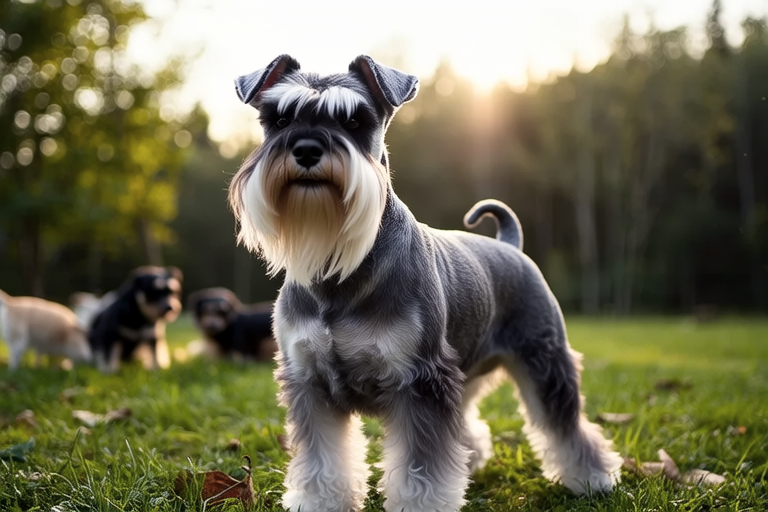
Schnauzer vs. Other Breeds: Why This Breed Stands Out
Choosing the right dog breed can be one of the most important decisions for a pet owner. With so many options available, it’s easy to feel overwhelmed. In this article, we’ll compare Schnauzers to some of the most popular breeds, including Labrador Retrievers, German Shepherds, and Golden Retrievers. We’ll delve into key factors such as temperament, grooming needs, intelligence, exercise requirements, and adaptability. By the end of this piece, you’ll have a clearer understanding of why Schnauzers stand out among other breeds.
Temperament: A Comparison
When it comes to temperament, Schnauzers are known for their loyal and affectionate nature. They are protective of their families and can be wary of strangers, making them excellent guard dogs. Their alertness and confidence are traits that make them reliable companions. In contrast, Labrador Retrievers are often described as friendly and outgoing, thriving on human interaction and attention. German Shepherds are intelligent and obedient, often seen as natural protectors. Golden Retrievers are gentle giants, known for their patience and kindness, especially with children. While each breed has its own unique temperament, Schnauzers offer a balanced mix of loyalty, playfulness, and protection.
One Schnauzer owner, Sarah, shared her experience, “My Schnauzer, Max, is always by my side. He’s protective but never aggressive. He’s perfect for our family, especially with our young kids around.”
Grooming Needs
Grooming needs vary widely between breeds. Schnauzers require regular trimming and brushing due to their wiry coats. However, they are considered hypoallergenic, which makes them a great choice for people with allergies. Labrador Retrievers have short, dense coats that shed moderately throughout the year. German Shepherds have double coats that require frequent brushing to prevent matting. Golden Retrievers have thick, water-repellent coats that shed heavily, especially during seasonal changes.
Despite the extra grooming required, Schnauzers’ hypoallergenic quality makes them a top choice for allergy sufferers. As Emily, another Schnauzer owner, noted, “I’ve had allergies my whole life, and I didn’t think owning a dog was possible. But my Schnauzer, Bella, has changed everything. I’m finally able to enjoy having a furry companion without constant sneezing.”
Intelligence
All of these breeds are highly intelligent, but they each demonstrate their smarts in different ways. Schnauzers are quick learners and excel in obedience training. Their intelligence makes them versatile in various roles, from companionship to competitive sports. Labrador Retrievers are eager to please and learn new commands quickly. German Shepherds are known for their problem-solving abilities and are often used in police and military work. Golden Retrievers are also very trainable and excel in search and rescue operations.
Mark, who owns a Schnauzer named Charlie, highlighted his dog’s intelligence, “Charlie can perform complex tricks and even participates in agility competitions. His sharp mind keeps him engaged and entertained.”
Exercise Requirements
Each breed has varying exercise needs. Schnauzers are active dogs that need daily walks and playtime to stay healthy and happy. Labrador Retrievers are energetic and thrive on physical activity, often requiring long walks or runs. German Shepherds are athletic and benefit from rigorous exercise, including running and playing fetch. Golden Retrievers are moderately active and enjoy outdoor activities like hiking and swimming.
Jessica, a Schnauzer owner, emphasized the importance of regular exercise, “Taking my Schnauzer, Daisy, for daily walks helps keep her mentally and physically fit. She loves exploring new trails and meeting other dogs.”
Adaptability
Adaptability is another crucial factor when choosing a dog breed. Schnauzers are adaptable to various living situations, from small apartments to large homes. They can thrive in urban environments as well as rural settings. Labrador Retrievers are equally adaptable and can adjust to different lifestyles, though they tend to do best in homes with yards. German Shepherds are versatile but may prefer more spacious environments. Golden Retrievers are adaptable and enjoy living in homes with families and children.
Mike, who lives in a small apartment with his Schnauzer, Rocky, explained, “Rocky loves our apartment life. He’s small enough to manage well in tight spaces, and he still gets plenty of exercise with daily walks and play sessions.”
Unique Characteristics of Schnauzers
Besides their hypoallergenic quality, Schnauzers have several unique characteristics that set them apart. They come in three sizes: Standard, Miniature, and Giant. Each size offers distinct advantages depending on your lifestyle. Standard Schnauzers are medium-sized dogs that are great for families and active individuals. Miniature Schnauzers are smaller and better suited for apartment living. Giant Schnauzers are larger and more suited for working roles. Schnauzers are also known for their versatility, excelling in various roles from companionship to competitive sports.
Real-life examples further illustrate Schnauzers’ adaptability. For instance, Schnauzers have been used in search and rescue missions, therapy work, and competitive sports like agility and obedience trials. Their intelligence and trainability make them ideal candidates for these roles.
Conclusion: Choosing the Right Breed
When deciding on a dog breed, it’s essential to consider your lifestyle and personal preferences. If you’re looking for a loyal, affectionate companion with hypoallergenic qualities, a Schnauzer might be the perfect fit. For those who enjoy outdoor activities and want a playful, energetic dog, a Labrador Retriever could be a great choice. If you’re seeking a protective and intelligent dog, a German Shepherd might be ideal. And for families looking for a gentle giant, a Golden Retriever could be the best option.
Ultimately, the decision comes down to what you value most in a dog. Consider factors like temperament, grooming needs, intelligence, exercise requirements, and adaptability. Spend time researching and interacting with different breeds before making a final decision. With the right breed, you’ll find a lifelong friend and companion.
