Top 10 Fascinating Facts About Red-Eared Sliders That Will Amaze You
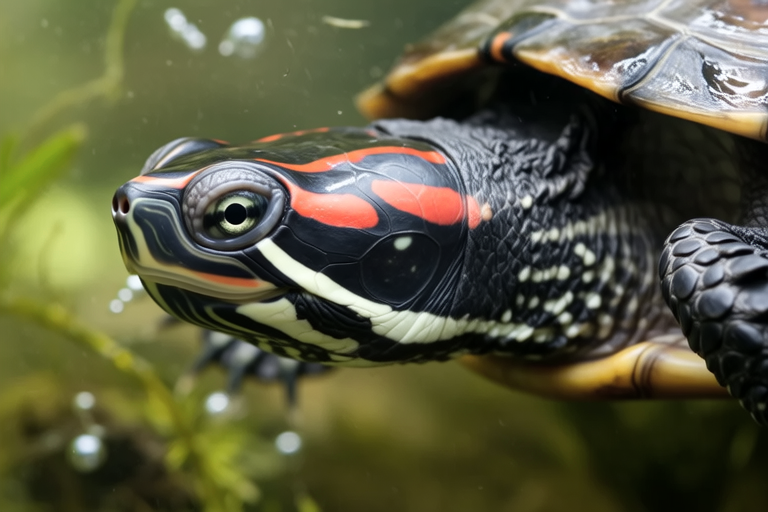
Red-eared sliders (Trachemys scripta elegans) are one of the most recognizable turtle species in the world. Known for their distinctive red markings behind their eyes, these turtles have become popular pets due to their relatively low maintenance requirements. However, there’s much more to these reptiles than meets the eye. From their unique adaptations to their role in ecosystems, red-eared sliders offer a wealth of fascinating insights into the natural world. Here are ten incredible facts that will amaze you.
1. Natural Habitat: The Great Escape
Native to the southern United States and northern Mexico, red-eared sliders prefer slow-moving bodies of water such as ponds, lakes, and rivers. These habitats provide ample opportunities for basking on logs and rocks while offering protection from predators. Interestingly, despite being native to specific regions, red-eared sliders have been introduced to various parts of the globe through the pet trade. In many areas, they have become invasive species, outcompeting native turtle populations for resources and altering local ecosystems. This widespread distribution makes them one of the most successful turtle species globally.
2. Basking Behavior: A Sun Seeker’s Life
One of the most striking behaviors of red-eared sliders is their love for basking. These turtles spend significant portions of their day lounging on logs or rocks near the water’s edge, absorbing sunlight to regulate their body temperature. This behavior is crucial for maintaining their metabolism and overall health. Unlike many other reptiles, red-eared sliders can bask in groups, often stacking themselves on top of each other. This social basking not only helps them stay warm but also provides protection against potential threats.
3. Diet Diversity: Omnivorous Giants
Red-eared sliders are omnivores with a varied diet that includes aquatic plants, insects, snails, fish, and carrion. Juvenile sliders tend to be more carnivorous, consuming a higher proportion of animal matter, while adults shift towards a more herbivorous diet. This dietary flexibility allows them to thrive in diverse environments and adapt to changing food availability. Their strong jaws enable them to crush tough plant material and prey upon smaller organisms, making them efficient foragers.
4. Lifespan Secrets: Longevity Champions
Red-eared sliders are renowned for their longevity, with some individuals living up to 40 years in captivity. In the wild, their lifespan may be shorter due to predation and environmental factors. Factors contributing to their long life include a slow metabolic rate, which reduces wear and tear on their bodies, and their ability to hibernate during cold months. Proper care in captivity, including a balanced diet and appropriate living conditions, can significantly extend their lifespan.
5. Shell Structure: Armor Against Predators
The carapace (upper shell) and plastron (lower shell) of red-eared sliders serve as both protection and flotation devices. Their shells are covered in scutes, which are made of keratin, similar to human fingernails. Over time, these scutes wear down and are replaced, allowing the turtle to grow larger. The shape and size of the shell vary depending on the age and sex of the turtle, with males typically having longer, more curved claws used for courtship displays. Additionally, the shell’s coloration can change based on environmental factors, providing camouflage.
6. Reproduction Rites: A Springtime Ritual
Red-eared sliders reach sexual maturity between 5 to 8 years of age. Mating occurs primarily in spring, with males performing elaborate courtship rituals to attract females. During mating, males use their long front claws to stroke the female’s face and neck. If receptive, the female will sink to the bottom of the water body where she lays her eggs in a nest dug into sandy soil. Females can lay up to 20 eggs per clutch, and multiple clutches may be laid over several weeks. Incubation lasts approximately two months, after which hatchlings emerge ready to fend for themselves.
7. Unique Adaptations: Surviving in Water
Red-eared sliders have several adaptations that make them well-suited for life in aquatic environments. Their webbed feet aid in swimming, while their nostrils are positioned high on their snouts to allow for breathing at the water’s surface without fully surfacing. Additionally, they possess a cloaca, a single opening for excretion and reproduction, which simplifies underwater activities. Their ability to remain submerged for extended periods is due to specialized lung structures that can hold large volumes of air. These features contribute to their efficiency as swimmers and their ability to evade predators.
8. Conservation Concerns: Threatened by Trade
Despite their wide distribution and adaptability, red-eared sliders face numerous challenges, particularly in their native range. Habitat destruction, pollution, and overharvesting for the pet trade have significantly impacted wild populations. Many countries have imposed regulations to control the international trade of these turtles, aiming to prevent further declines. Conservation efforts focus on protecting critical habitats, promoting sustainable practices in the pet industry, and raising public awareness about responsible ownership. Responsible pet owners can contribute by ensuring proper care and avoiding the release of captive turtles into the wild.
9. Ecological Impact: A Double-Edged Sword
Invasive populations of red-eared sliders can have profound effects on local ecosystems. By competing with native species for resources, they can disrupt the balance of aquatic communities. However, in some areas, they play a vital role in controlling populations of certain pests, such as mosquitoes and invasive aquatic plants. Understanding these complex interactions is essential for developing effective management strategies. Research continues to explore ways to mitigate the negative impacts of invasive slider populations while leveraging any potential benefits.
10. Cultural Significance: From Pets to Symbols
Red-eared sliders have captured the imagination of people around the world, appearing in literature, films, and even as mascots for various organizations. Their popularity as pets has led to increased interest in turtle care and conservation. Moreover, these turtles have symbolic value in many cultures, representing longevity, wisdom, and perseverance. Their presence in popular media highlights the importance of understanding and respecting wildlife, encouraging responsible stewardship of our planet’s biodiversity.
In conclusion, red-eared sliders are more than just charming pets; they are remarkable creatures with fascinating behaviors, adaptations, and ecological roles. By learning about these turtles, we gain valuable insights into the interconnectedness of life on Earth and the importance of preserving natural habitats. Whether observed in the wild or cared for as companions, red-eared sliders continue to captivate and inspire us with their resilience and beauty.
