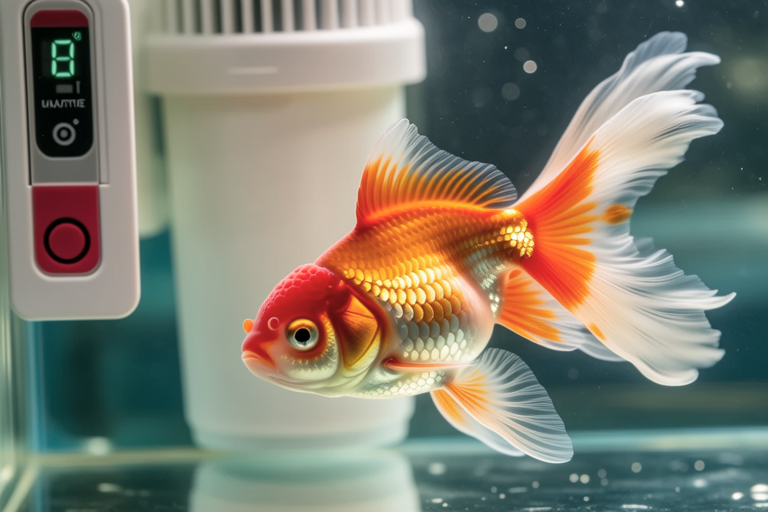
Common Myths About Goldfish Debunked
Goldfish are among the most popular pets in the world, known for their vibrant colors and relatively low maintenance. However, despite their widespread appeal, there are numerous myths surrounding these aquatic companions that often lead to misinformation and poor care practices. This article aims to dispel some of the most common myths about goldfish, providing you with accurate information to ensure your goldfish live long, healthy lives.
Introduction to Goldfish
Goldfish come in a variety of shapes, sizes, and colors, making them an attractive choice for both novice and experienced pet owners. They are generally easy to care for and can be kept in either bowls or aquariums, depending on their specific needs. However, it’s important to understand the true requirements of these animals to provide them with the best possible living conditions.
Myth One: Goldfish Have Three-Second Memories
One of the most persistent myths about goldfish is that they have a three-second memory. This misconception likely stems from the observation that goldfish often seem to forget where food comes from or how to navigate their environment. The truth, however, is quite different. Research has shown that goldfish possess excellent memory and learning abilities. They can remember routes, recognize patterns, and even solve simple puzzles. In fact, studies have demonstrated that goldfish can remember things for several months, which is far longer than the oft-repeated three seconds. Providing mental stimulation through toys and puzzles can enhance their cognitive abilities and enrich their lives.
Myth Two: All Goldfish Are Orange
Another widespread myth is that all goldfish are orange. While the classic orange color is what many people associate with goldfish, these fish actually come in a wide array of hues and patterns. There are over a dozen recognized varieties of goldfish, each with its own unique characteristics. These include red-and-white Calico, black-and-white Moor, and even metallic-blue Oranda. Each breed has distinct physical features and care requirements, so it’s essential to research thoroughly if you’re considering adding a goldfish to your home. Understanding the different types of goldfish will help you provide the best care possible for your new pet.
Myth Three: Goldfish Require Minimal Space
The idea that goldfish need only a small bowl or container is another misconception that can lead to inadequate living conditions. In reality, goldfish require ample space to thrive. A general rule of thumb is to provide at least 20 gallons of water per fish, but this can vary based on the size and type of goldfish. Smaller varieties may do well in 10-gallon tanks, while larger breeds like the comet or shubunkin need more room. Additionally, goldfish produce a significant amount of waste, which can pollute the water if not properly managed. Regular water changes and adequate filtration systems are crucial to maintaining a healthy environment for your goldfish. Ensuring your fish have enough space and proper water quality will contribute to their longevity and overall health.
Myth Four: Feeder Goldfish Are Expendable
There’s a belief that feeder goldfish, those sold specifically for use as food for other aquatic animals, are less valuable and therefore expendable. This notion couldn’t be further from the truth. Every goldfish deserves proper care and respect, regardless of its intended purpose. Feeder goldfish should be treated no differently than any other pet goldfish. They require the same attention to diet, habitat, and health care. By providing good care, you not only improve the welfare of the individual fish but also enhance the health of the animals that consume them. Remember, goldfish are sentient beings capable of feeling pain and stress, and they deserve humane treatment.
Tips for Responsible Goldfish Ownership
Now that we’ve debunked some common myths about goldfish, here are a few tips for responsible ownership:
- Research Proper Care: Before bringing home a goldfish, take the time to learn about its specific needs regarding water temperature, pH levels, and dietary requirements.
- Provide Adequate Space: Ensure your goldfish have enough room to swim comfortably and maintain a clean, well-filtered environment.
- Feed Appropriately: Avoid overfeeding, as excess food can deteriorate water quality. Opt for high-quality, nutrient-rich pellets designed specifically for goldfish.
- Monitor Health: Keep an eye out for signs of illness, such as lethargy, loss of appetite, or unusual behavior. Early intervention can prevent serious health issues.
- Engage Your Fish: Offer enrichment activities like floating toys or plants to stimulate your goldfish mentally and physically.
By following these guidelines, you’ll create a nurturing environment for your goldfish, allowing them to flourish and enjoy their lives to the fullest. Remember, goldfish are intelligent, social creatures that deserve our respect and care. Take the time to learn more about these fascinating animals, and you’ll find yourself rewarded with a delightful companion.
In conclusion, while goldfish are indeed popular pets, it’s important to separate fact from fiction when it comes to their care. Dispelling these common myths will help you provide better living conditions for your goldfish, ensuring they live long, healthy, and happy lives. So, whether you’re a first-time owner or an experienced aquarist, continue to educate yourself about these charming creatures. With the right knowledge and care, you can make a real difference in the life of your goldfish.
