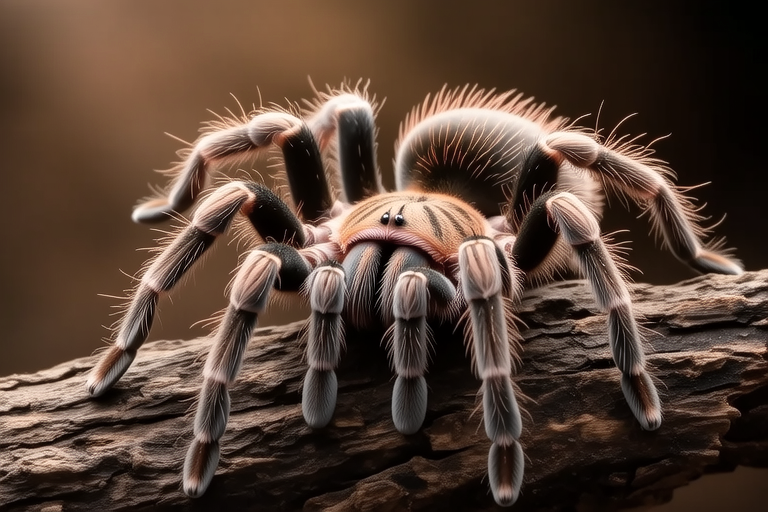
The Coolest Facts About Tarantulas That Will Make You Rethink Spiders
When it comes to arachnids, tarantulas often evoke fear and disgust in people. However, these large, hairy spiders have some truly fascinating traits that might make you reconsider your opinion. From their impressive size to their unique defensive strategies, tarantulas are more than just scary creatures—they’re complex and intriguing animals. This article delves into the coolest facts about tarantulas, providing insights into their behavior, habitat, and interactions with other species.
Size Matters: The Largest Spiders on Earth
Tarantulas are renowned for their considerable size, with some species reaching up to 10 inches (25 cm) in leg span. Despite their intimidating appearance, most tarantulas are harmless to humans. Their size serves them well in the wild, where they can fend off predators and catch prey. Some tarantula species, like the Goliath birdeater from South America, are among the largest spiders known to science.
A Diverse Diet: What Do Tarantulas Eat?
Tarantulas are carnivorous, feeding primarily on insects, small vertebrates, and even other spiders. They use their powerful fangs to inject venom into their prey, immobilizing it before consuming it. While their venom is potent enough to kill smaller animals, it’s generally not harmful to humans. In fact, tarantula venom has been studied for its potential medical applications, including pain relief and treating certain neurological disorders.
Defensive Strategies: How Tarantulas Protect Themselves
Tarantulas have several defensive mechanisms to protect themselves from predators. Many species possess urticating hairs on their abdomen, which they can flick at attackers. These hairs cause irritation and inflammation, making them an effective deterrent. Additionally, tarantulas may also play dead or release a foul-smelling secretion to ward off threats. Some species, like the Mexican redknee tarantula, are known for their aggressive stance and willingness to bite when threatened.
Surprising Behaviors: Tarantulas Aren’t Just Passive Hunters
Tarantulas exhibit a range of unexpected behaviors that challenge common perceptions of spiders. For instance, many tarantula species are nocturnal, spending their days in burrows or hiding spots and emerging at night to hunt. Some tarantulas are also known to dig elaborate underground burrows, complete with silk-lined tunnels and chambers. These burrows serve multiple purposes, including shelter, ambush sites for prey, and places to store food.
Habitats and Distribution: Where Do Tarantulas Live?
Tarantulas are found in various habitats across the globe, from deserts to rainforests. Most species prefer warm, humid environments, though some can thrive in arid conditions. Tarantulas are native to Africa, Asia, Europe, and the Americas, with the highest diversity found in tropical regions. In North America, tarantulas are commonly found in the southwestern United States and Mexico. Each species has adapted to its specific environment, developing unique survival strategies and prey preferences.
Lifespan and Reproduction: The Longevity of Tarantulas
Tarantulas are long-lived creatures, with some species living up to 30 years. Female tarantulas typically outlive males, who often die shortly after mating. Reproduction in tarantulas involves a complex courtship ritual, during which the male deposits sperm into the female’s body using specialized appendages called pedipalps. After mating, the female lays eggs in a silk cocoon, which she guards until the spiderlings hatch. Baby tarantulas are tiny replicas of their parents, and they go through several molts as they grow.
Interaction with Other Species: Tarantulas and Their Ecosystems
Tarantulas play important roles in their ecosystems, serving as both predator and prey. They help control insect populations, contributing to the balance of their local food webs. In turn, tarantulas are preyed upon by a variety of animals, including birds, reptiles, and other larger spiders. Some tarantula species have formed symbiotic relationships with other organisms, such as ants, which protect them from parasites in exchange for shelter.
Dispelling Myths: Separating Fact from Fiction
Despite their fearsome reputation, tarantulas are not as dangerous as many people believe. While their venom can be painful, it is rarely life-threatening to humans. Tarantulas also don’t actively seek out human contact, preferring to avoid confrontation. By understanding these facts, we can begin to appreciate tarantulas for the remarkable creatures they are rather than fearing them based on misconceptions.
Conclusion: Embracing Tarantulas
Tarantulas are fascinating animals with a wealth of unique characteristics that set them apart from other spiders. From their impressive size and diverse diets to their clever defensive strategies and complex behaviors, tarantulas offer a glimpse into the wonders of nature. By learning more about these creatures, we can foster a greater appreciation for tarantulas and the vital role they play in their ecosystems. Next time you encounter a tarantula, take a moment to marvel at its beauty and complexity instead of recoiling in fear.
