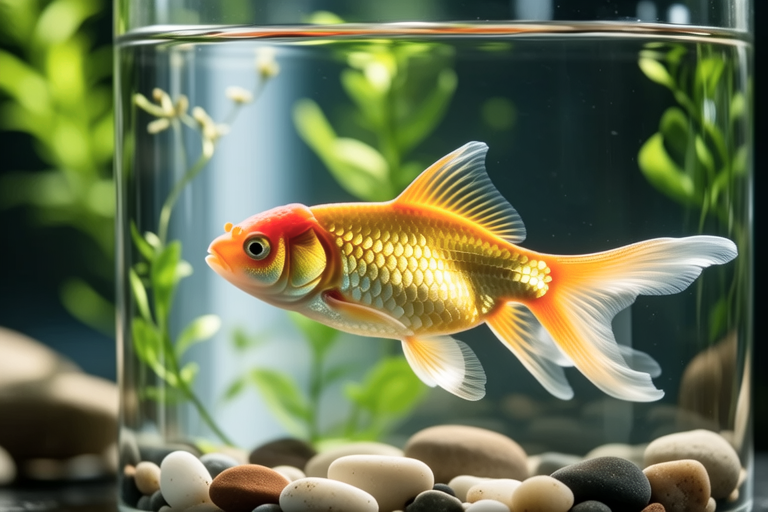
How to Keep Your Goldfish Happy and Healthy for Years!
Welcome to the world of goldfish ownership! Goldfish are among the most popular aquarium pets, known for their vibrant colors and graceful swimming. However, to ensure your goldfish live long, healthy lives, it’s crucial to understand the basics of goldfish care. This guide will walk you through the essentials, from setting up the perfect tank to maintaining optimal water quality and providing the right diet. By following these tips, you’ll be well-equipped to keep your goldfish thriving for years.
Proper Tank Setup: The Foundation of Goldfish Care
The first step in keeping your goldfish happy and healthy is creating a suitable living environment. Contrary to popular belief, goldfish require more space than a small bowl can provide. A 20-gallon tank is the minimum size recommended for a single goldfish, with each additional fish requiring an extra 10 gallons. This larger space helps maintain water quality and provides ample room for swimming.
Choose a tank with a wide surface area rather than height, as this increases oxygen exchange at the water’s surface. Opt for a filter that supports biological filtration, ensuring harmful ammonia and nitrite levels are kept low. Additionally, include a heater to maintain a stable temperature between 68°F and 74°F (20°C and 23°C), which is ideal for goldfish.
Decorate your tank with caves, plants, and rocks to stimulate exploration and provide hiding spots. However, avoid sharp objects or decorations that could injure your fish. Live plants can also help improve water quality by absorbing nitrates, but they may be nibbled on by goldfish, so consider plastic alternatives if necessary.
Water Quality Maintenance: Clean Water for a Healthy Fish
Goldfish are particularly sensitive to poor water quality, making regular maintenance a must. Perform weekly water changes, replacing approximately 25% of the tank water each time. Use a gravel vacuum to remove waste and debris from the substrate during these changes. Test the water regularly for pH, ammonia, nitrite, and nitrate levels, aiming for a pH between 6.5 and 8.0, and zero detectable ammonia and nitrite.
To prevent sudden changes in water parameters, always treat tap water with a dechlorinator before adding it to the tank. Avoid overcrowding your tank, as this can lead to increased waste production and stress on your goldfish. Overfeeding can also contribute to poor water quality, so monitor how much food your fish consume and adjust accordingly.
Suitable Diet: Nourishing Your Goldfish
A balanced diet is essential for keeping your goldfish healthy. Commercial goldfish flakes and pellets are excellent staple foods, providing the necessary nutrients. However, variety is key. Supplement their diet with occasional treats like frozen brine shrimp, daphnia, and bloodworms. These protein-rich foods mimic natural prey and offer a nutritional boost.
Avoid overfeeding, as excess food can deteriorate water quality and lead to digestive issues. Feed your goldfish small portions two to three times daily, allowing them to finish within a few minutes. Uneaten food should be removed promptly to prevent contamination.
Regular Feeding Schedules: Timing is Everything
Establishing a consistent feeding schedule helps regulate digestion and promotes overall health. Feed your goldfish at the same time each day, ideally in the morning and evening. This routine not only benefits your fish but also strengthens the bond between you and your pet.
Pay attention to how your goldfish respond to feeding times. If they seem overly aggressive or sluggish, it might indicate an underlying issue. Always observe their behavior and adjust your approach as needed.
Exercise Needs: Encouraging Natural Behavior
Goldfish are active swimmers, and providing ample space for movement is crucial. Ensure there are no obstacles that could impede their swimming paths. Regular swimming helps maintain muscle tone and reduces stress. Consider incorporating gentle water currents to simulate natural environments and encourage activity.
Interactive toys, such as floating balls or sinking blocks, can also engage your goldfish and provide mental stimulation. Just ensure any additions to the tank are safe and won’t cause harm.
Common Health Issues: Identifying and Addressing Problems Early
Like any pet, goldfish can fall ill. Common ailments include fin rot, ich, and swim bladder disorders. Fin rot presents as frayed or discolored fins, often due to poor water quality or physical injury. Ich appears as white spots on the body and fins and is typically caused by parasites. Swim bladder issues manifest as difficulty staying upright or balancing, usually linked to overfeeding or constipation.
If you notice any unusual symptoms, act promptly. Improve water quality, adjust feeding habits, and consult a veterinarian specializing in aquatic animals for further guidance. Early intervention can prevent minor issues from escalating into serious health problems.
Signs of a Happy and Healthy Goldfish
A healthy goldfish displays vibrant colors, clear eyes, and smooth, intact fins. They should be active swimmers, exploring their environment and interacting with their surroundings. Healthy goldfish also exhibit a good appetite and regular bowel movements.
Watch for signs of stress or discomfort, such as lethargy, loss of color, or unusual swimming patterns. Promptly address any concerns to ensure your goldfish remain happy and healthy. Regular observations and attentive care go a long way in maintaining your fish’s well-being.
Debunking Myths: Separating Fact from Fiction
There are many misconceptions surrounding goldfish care. One common myth is that goldfish have a short lifespan, which is far from true. With proper care, goldfish can live 10 to 15 years or even longer. Another myth is that goldfish thrive in small tanks, but this can lead to stress and health issues. Providing adequate space and optimal conditions significantly improves their longevity.
Another misconception is that goldfish don’t need a filter. In reality, filters are vital for maintaining water quality and removing harmful substances. Finally, some believe that goldfish don’t require regular feeding. While goldfish can survive without constant feeding, a balanced diet ensures they stay healthy and active.
In conclusion, keeping your goldfish happy and healthy requires dedication and attention to detail. By setting up an appropriate tank, maintaining water quality, providing a nutritious diet, establishing regular feeding schedules, encouraging exercise, addressing health issues early, and understanding the signs of a healthy fish, you can ensure your goldfish enjoy a long and fulfilling life. Remember, a well-cared-for goldfish is a joy to watch and a rewarding companion.
