Tiny Guardians of the Tank: The Surprising Benefits of Keeping Coral Shrimp
When it comes to adding a touch of elegance and functionality to your aquarium, few creatures can match the grace and utility of coral shrimp. These tiny guardians of the tank offer a plethora of benefits that extend beyond mere decoration. From their striking appearance to their indispensable role as cleaners, coral shrimp are an excellent addition to any marine or reef tank. This article will explore the fascinating world of coral shrimp, their appearance, natural habitat, and the significant advantages they bring to your underwater ecosystem.
The Appearance and Natural Habitat of Coral Shrimp
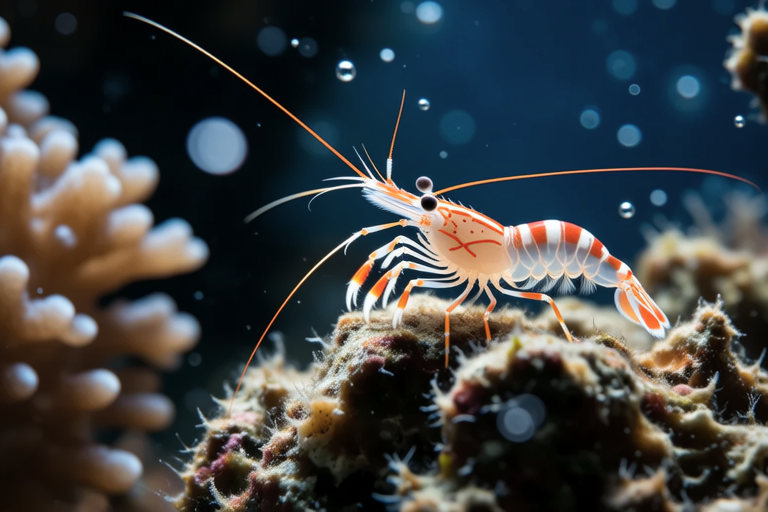
Coral shrimp, also known as peppermint shrimp, are small crustaceans that typically measure between 2 to 3 inches in length. Their bodies are elongated, and they possess a distinctive white and red striped pattern that resembles peppermint candy, hence their common name. This striking coloration serves as both camouflage and a warning to potential predators, signaling their unpalatability due to their toxicity.
In the wild, coral shrimp inhabit tropical and subtropical waters, often found in shallow reefs and seagrass beds. They thrive in environments rich in corals, sponges, and algae, which provide ample hiding spots and food sources. Their natural habitat is characterized by clear, warm waters with moderate currents, ensuring a constant supply of plankton and detritus for them to feed upon.
The Role of Coral Shrimp as Cleaners in the Ocean
Coral shrimp play a crucial role in maintaining the health of their natural habitats. In the ocean, they act as scavengers and cleaners, feeding on detritus, dead organic matter, and harmful algae. Their diet consists primarily of diatoms, bacteria, and other microorganisms that accumulate on surfaces within the reef. By consuming these substances, they help prevent the overgrowth of harmful algae, ensuring that the delicate balance of the reef ecosystem remains intact.
This cleaning behavior is particularly beneficial for aquariums, where coral shrimp can perform similar functions. In a captive environment, they will actively clean the substrate, rocks, and even the glass walls of the tank, removing unwanted debris and algae. This not only keeps the tank looking pristine but also helps maintain water quality by reducing the buildup of organic waste.
Benefits of Keeping Coral Shrimp in Your Aquarium
Algae Control
One of the most notable benefits of keeping coral shrimp in your aquarium is their ability to control algae growth. Algae can be a persistent problem in many tanks, especially those with high lighting conditions or excess nutrients. Coral shrimp are particularly effective at controlling brown algae, a type of diatom that can quickly cover tank surfaces and detract from the aesthetics of your setup. By regularly grazing on these algae, they help keep your tank looking clean and vibrant.
Stress Reduction for Other Tank Inhabitants
In addition to their algae control capabilities, coral shrimp have a calming effect on other tank inhabitants. Their presence can reduce stress levels among fish and invertebrates by helping to maintain a cleaner environment. A well-maintained tank is less likely to harbor harmful pathogens or excessive waste, which can contribute to stress and disease in other species. Coral shrimp, therefore, serve as tiny but essential caretakers, contributing to the overall health and well-being of your aquatic community.
Aesthetic Appeal
Beyond their functional benefits, coral shrimp add a visually appealing element to any aquarium. Their bright, contrasting colors and graceful movements make them a delightful addition to the tank. Watching them scurry about, exploring every nook and cranny, can be a soothing and entertaining pastime for aquarists. Their presence enhances the overall ambiance of the tank, creating a more dynamic and lively environment.
Setting Up the Ideal Tank Environment for Coral Shrimp
To ensure that your coral shrimp thrive in captivity, it’s essential to create an environment that closely mimics their natural habitat. Start by providing plenty of hiding spots, such as live rock, caves, and crevices. These structures not only offer shelter but also serve as sources of food, as they trap detritus and microorganisms. Additionally, maintain moderate water flow and good water quality, ensuring that the temperature remains stable between 72°F and 82°F (22°C and 28°C).
It’s important to avoid overcrowding the tank, as coral shrimp prefer a spacious environment. A tank size of at least 20 gallons is recommended for a small group of shrimp. Regular water changes and proper filtration are also crucial to maintaining optimal water conditions. Use a protein skimmer to remove excess organic compounds and ensure that the tank is well-aerated.
Suitable Tank Mates for Coral Shrimp
Coral shrimp are generally peaceful and compatible with a wide range of tankmates. However, it’s essential to choose species that won’t pose a threat to them. Avoid aggressive or predatory fish, such as triggerfish or large wrasses, as they may view coral shrimp as a snack. Instead, opt for smaller, non-aggressive species like clownfish, gobies, and blennies. Invertebrates such as snails and hermit crabs also make suitable companions, as they share similar environmental preferences.
It’s worth noting that while coral shrimp are generally peaceful, they can become territorial if kept in too small a space. Therefore, it’s advisable to provide ample hiding spots and ensure that the tank is not overcrowded. This will help minimize conflicts and promote harmonious cohabitation among all tank inhabitants.
Dietary Needs of Coral Shrimp
In the wild, coral shrimp feed on a variety of microorganisms, including diatoms, bacteria, and detritus. In captivity, they can be fed a diet of prepared foods, such as sinking pellets and flakes, enriched with spirulina and vitamins. Additionally, you can supplement their diet with frozen or freeze-dried foods like brine shrimp, mysis shrimp, and bloodworms. Providing a varied diet ensures that they receive all the necessary nutrients for optimal health.
While coral shrimp can survive on the algae and detritus naturally present in the tank, offering supplemental food can enhance their growth and vitality. Feed them small amounts several times a week, ensuring that uneaten food is removed promptly to maintain water quality.
The Rewarding Experience of Observing Coral Shrimp
Observing the behavior of coral shrimp in your aquarium can be a deeply rewarding experience. Their constant activity and interactions with their environment offer endless fascination. You might notice them busily cleaning the tank, exploring new areas, or engaging in playful antics. Each shrimp has its own unique personality, making them captivating subjects to watch.
As you observe their contributions to the tank, you’ll appreciate the positive impact they have on the overall health and appearance of your aquatic ecosystem. Their diligent cleaning efforts and algae control abilities create a harmonious balance, ensuring that your tank remains vibrant and thriving. The satisfaction of nurturing these tiny guardians and witnessing their beneficial effects is truly unparalleled.
Conclusion
Coral shrimp are more than just attractive additions to your aquarium; they are invaluable allies in maintaining a healthy and vibrant underwater environment. Their natural cleaning behaviors, algae control capabilities, and stress-reducing effects make them indispensable members of any marine or reef tank. By setting up an ideal tank environment, choosing suitable tank mates, and meeting their dietary needs, you can ensure that your coral shrimp thrive and continue to contribute positively to your aquatic ecosystem. The joy of watching these tiny guardians at work is a testament to the beauty and complexity of life in the sea.
