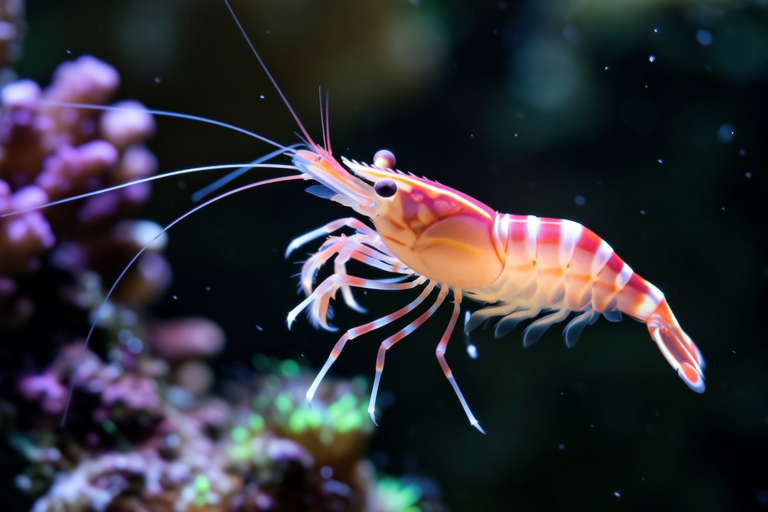
Coral Shrimp: A Guide for Aquarium Enthusiasts
Welcome, fellow aquarists! If you’re looking to add a touch of vibrant color and beneficial cleaning to your aquatic ecosystem, Coral Shrimp might just be the perfect addition to your tank. These captivating creatures are not only visually stunning but also play a crucial role in maintaining the health and cleanliness of your aquarium. In this comprehensive guide, we’ll explore everything you need to know about Coral Shrimp, from their appearance and behavior to their dietary needs and ideal tank setup.
What Are Coral Shrimp?
Coral Shrimp, scientifically known as Stenopus hispidus, are small, colorful crustaceans that can bring a splash of tropical allure to your aquarium. Native to the coral reefs of the Indo-Pacific region, these shrimp are often referred to as “cleaner shrimp” due to their symbiotic relationship with various marine organisms. Their vibrant appearance is one of the first things that catches the eye. Typically, they sport a striking red body with white spots and distinctive blue claws, making them a true centerpiece in any reef tank.
The Role of Coral Shrimp in Tank Cleanliness
One of the standout features of Coral Shrimp is their ability to keep your aquarium clean. These diligent cleaners remove debris, uneaten food, and dead matter from the tank, helping to maintain water quality. They also assist in the removal of parasites from fish, contributing to the overall health of your aquatic community. Their presence can significantly reduce the frequency of maintenance tasks like gravel vacuuming and water changes, making them an invaluable asset to any well-balanced aquarium.
Setting Up the Ideal Habitat
To ensure your Coral Shrimp thrive, it’s essential to create an environment that mimics their natural habitat. Start by providing plenty of hiding spots, such as live rock, caves, and crevices. These shelters not only provide security but also serve as hunting grounds for detritus and small invertebrates. Additionally, ensure the tank has ample swimming space, especially if you plan to introduce other species. A stable water temperature between 72-82°F (22-28°C) and a pH level around 8.1-8.4 is optimal for their well-being.
Water Quality Considerations
Maintaining pristine water conditions is crucial for the health of Coral Shrimp. Regular partial water changes and the use of high-quality filtration systems will help keep ammonia, nitrite, and nitrate levels in check. A protein skimmer is particularly beneficial in saltwater tanks, as it aids in the removal of organic compounds that could otherwise compromise water quality.
Suitable Tank Mates
Choosing the right tank mates is key to ensuring a harmonious environment for your Coral Shrimp. While they are generally peaceful, some species may view them as prey. Opt for larger, docile fish like tangs, wrasses, and clownfish. Avoid aggressive or predatory species such as lionfish, triggerfish, and large angelfish. It’s also advisable to introduce Coral Shrimp after establishing a well-settled aquarium, minimizing stress and potential conflicts.
Dietary Needs of Coral Shrimp
Coral Shrimp are omnivores, meaning they require a balanced diet of both plant and animal matter. In the wild, they feed on algae, detritus, and small invertebrates. To replicate this diet in captivity, offer a variety of foods such as spirulina flakes, nori sheets, and frozen brine shrimp. Supplementing their diet with occasional live or frozen foods like mysis shrimp can further enhance their health and vitality. Ensure that uneaten food is removed promptly to prevent water pollution.
Feeding Frequency
Feed your Coral Shrimp once or twice daily, offering small portions that they can consume within a few minutes. Overfeeding can lead to excess waste and deteriorating water quality, so it’s important to monitor their feeding habits closely.
Unique Behaviors and Care Considerations
Coral Shrimp exhibit fascinating behaviors that make them a joy to observe. One of their most notable traits is their symbiotic relationship with certain fish species. They have been observed cleaning parasites and dead skin from fish, a behavior that benefits both parties. This interaction not only showcases their natural instincts but also highlights the importance of biodiversity in your tank.
Another interesting aspect of Coral Shrimp care involves their molting process. As they grow, they periodically shed their exoskeleton, leaving behind a translucent shell. During this time, they are vulnerable to predation, so it’s crucial to provide ample hiding places. After molting, they may appear sluggish for a day or two while their new exoskeleton hardens. This is a normal part of their lifecycle, and it’s essential to avoid handling them during this period.
Why Coral Shrimp Make Excellent Aquarium Companions
In conclusion, Coral Shrimp are more than just a pretty face; they are dynamic contributors to the overall health and aesthetic appeal of your aquarium. Their vibrant colors and active nature make them a delightful addition to any reef tank, while their cleaning abilities help maintain a balanced aquatic environment. By providing a suitable habitat, appropriate diet, and compatible tank mates, you can ensure these charming creatures thrive in your underwater world.
Embrace the beauty and benefits of Coral Shrimp, and watch as they become cherished members of your aquatic family. With proper care and attention, they will reward you with years of enjoyment and a thriving, healthy aquarium.
