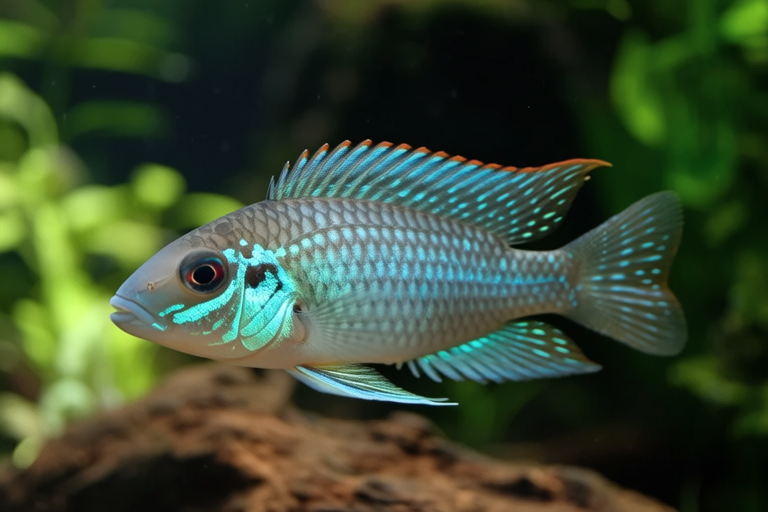
How to Spot and Solve Common Health Issues in Rajah Cichlids
Rajah cichlids, scientifically known as Aulonocara jacobfreibergi, are a popular choice among aquarists due to their vibrant colors and engaging behavior. Native to Lake Malawi in East Africa, these fish thrive in environments that mimic their natural habitat. Understanding the specific requirements of Rajah cichlids is crucial for maintaining their health and ensuring a long, vibrant life in captivity. This guide will provide you with insights into identifying and addressing common health issues in Rajah cichlids, helping both novice and experienced aquarists keep their fish healthy.
Introduction to Rajah Cichlids
Rajah cichlids are a species of cichlid native to the rocky shores of Lake Malawi. They are known for their striking coloration, which can vary from deep reds to vibrant oranges, depending on the individual fish and environmental factors. These fish are territorial and typically exhibit aggressive behavior towards other males, making them suitable for larger tanks with plenty of hiding spots. In terms of diet, Rajah cichlids are omnivores but lean more towards carnivorous preferences. Their natural diet consists mainly of small crustaceans, insect larvae, and plant matter. In captivity, they should be fed high-quality pellets or flakes designed for carnivorous fish, supplemented with occasional live or frozen foods like brine shrimp or bloodworms.
Habitat and Dietary Needs
The ideal habitat for Rajah cichlids should replicate their natural environment as closely as possible. This includes a spacious tank with ample swimming space, plenty of hiding places, and rocks for territorial disputes. A minimum tank size of 75 gallons is recommended for a group of these fish, with additional space required for larger groups. Water parameters are also critical: they prefer slightly alkaline water with a pH range of 7.8 to 8.6 and a temperature between 75°F and 82°F. Regular water changes and efficient filtration systems are necessary to maintain optimal water quality.
Dietary needs are equally important. Rajah cichlids require a balanced diet rich in protein and essential nutrients. Feeding them a variety of high-quality food options ensures they receive all the necessary vitamins and minerals. It’s advisable to feed them small amounts multiple times a day rather than one large meal. Overfeeding can lead to poor water quality and subsequent health problems.
Common Health Issues in Rajah Cichlids
Signs of Disease
Identifying early signs of illness is key to treating Rajah cichlids effectively. Some common diseases include ich (white spot disease), fin rot, and swim bladder disorders. Ich appears as tiny white spots on the fish’s body and fins, while fin rot manifests as frayed, discolored, or decaying fins. Swim bladder disorders cause the fish to float awkwardly or struggle to maintain balance. Other signs of disease may include lethargy, loss of appetite, and abnormal swimming patterns.
Behavioral Changes
Behavioral changes can also signal health issues. Healthy Rajah cichlids are active and display normal feeding behaviors. If you notice your fish becoming less active or refusing food, it could indicate underlying health problems. Additionally, sudden aggression or withdrawal from the group might suggest stress or illness.
Physical Symptoms
Physical symptoms such as bloating, ulcers, or discoloration can also point to health issues. Bloating often indicates digestive problems, while ulcers might be a sign of bacterial infections. Discoloration can be caused by various factors, including stress, poor water quality, or nutritional deficiencies.
Solutions for Common Health Issues
Ich (White Spot Disease)
To treat ich, increase the tank temperature to around 82°F for several days and add aquarium salt at a rate of one tablespoon per five gallons of water. This helps to speed up the lifecycle of the parasite and makes it easier to eliminate. Regular partial water changes and maintaining good water quality are also essential. If the condition persists, consider using commercial ich medications.
Fin Rot
Fin rot is best treated by improving water quality and adding aquarium salt. In severe cases, antibiotics may be necessary. Regular water changes and avoiding overfeeding can prevent fin rot from occurring.
Swim Bladder Disorder
Swim bladder disorder can sometimes resolve itself if the fish is given time to rest and recover. However, if the problem persists, offering blanched vegetables like peas can help. Adjusting the water temperature slightly higher can also assist in recovery. Preventive measures include providing a varied diet and ensuring the fish isn’t stressed.
Preventive Measures and Maintenance
Prevention is always better than cure. Maintaining clean water and a healthy environment is crucial. Regular water changes, proper filtration, and monitoring water parameters are essential steps. Avoid overcrowding the tank and ensure adequate hiding spaces are available. A balanced diet and appropriate feeding practices also play a significant role in preventing health issues.
Water Quality Management
Water quality directly affects the health of Rajah cichlids. Poor water conditions can lead to stress and susceptibility to diseases. Regular testing of water parameters and timely interventions are necessary. Consider using a reliable water conditioner to neutralize harmful chemicals and maintain stable water conditions.
Dietary Adjustments
Adjusting the diet can help address some health issues. For example, incorporating more protein-rich foods can support muscle development and overall health. Adding supplements like spirulina flakes or vitamin-enriched foods can enhance immunity and promote faster recovery from illnesses.
Tips for Regular Health Checks
Regular health checks are vital for early detection of potential issues. Observe your fish daily for any signs of illness or unusual behavior. Keep a log of water parameters and feeding schedules to track any changes. If you notice persistent issues, it’s advisable to consult with a veterinarian specializing in exotic pets or seek advice from experienced aquarists.
When to Seek Professional Help
If your Rajah cichlids show no improvement despite your efforts, or if the condition seems severe, it’s wise to seek professional assistance. A qualified veterinarian can provide expert diagnosis and treatment options. Early intervention can save lives and prevent further complications.
In conclusion, understanding and addressing common health issues in Rajah cichlids requires vigilance and proactive care. By creating an optimal environment, providing a balanced diet, and maintaining good water quality, you can significantly reduce the risk of health problems. Regular health checks and timely interventions are crucial for ensuring the longevity and well-being of your Rajah cichlids.
