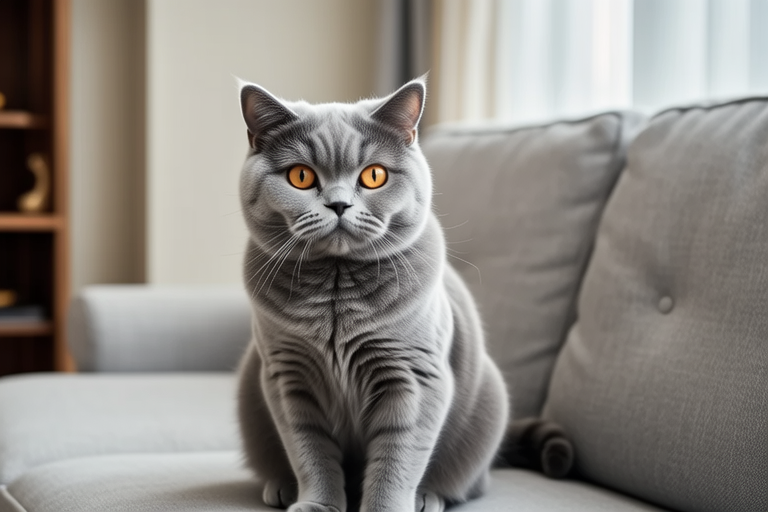
From Rare to Relished: The Rise of the British Shorthair Silver in Homes Worldwide
The British Shorthair silver is a breed that has captured the hearts of many cat enthusiasts around the globe. Known for its striking silvery-blue coat and robust physique, this breed has evolved from a relatively obscure choice to a beloved companion in homes worldwide. This article delves into the unique characteristics of the British Shorthair silver, its historical significance, and the reasons behind its growing popularity.
Distinctive Appearance and Gentle Temperament
The British Shorthair silver boasts a dense, plush coat that shines like polished silver, contrasting beautifully with its large, round eyes. These cats have a broad, muscular build, giving them an air of strength and grace. Their calm demeanor and affectionate nature make them ideal companions, especially for families seeking a laid-back pet. They are known for their patience and tolerance, making them perfect for households with children or other pets.
Historical Background
The origins of the British Shorthair can be traced back to the 19th century, when it was developed through selective breeding of domestic cats. Initially, the breed was less popular due to its relatively plain appearance compared to more flamboyant breeds. However, the silver variety, with its distinctive coat, began to gain recognition in the mid-20th century. Despite this, the breed remained somewhat rare until the late 20th century, when breeders started to appreciate its unique qualities.
Several factors contributed to the breed’s increasing popularity. Firstly, the British Shorthair silver’s resilience and adaptability made it a favorite among cat fanciers. Secondly, its striking appearance caught the eye of many who were looking for something different from the traditional tabby or black cats. Additionally, the breed’s reputation for being a healthy and long-lived cat has attracted many potential owners.
Adaptability as a Family Pet
The British Shorthair silver is highly adaptable to various living situations, whether in a bustling city apartment or a quiet suburban home. Its easy-going nature means it can thrive in environments with varying levels of activity. While they are independent, these cats enjoy the company of their human family and will often seek out affection when it’s offered. Their adaptability also extends to their diet; they are not picky eaters and can adjust well to different types of cat food.
Health Considerations
Like any breed, the British Shorthair silver is prone to certain health issues. Regular veterinary check-ups and a balanced diet are essential to maintaining their health. Common concerns include obesity, which can lead to heart disease and arthritis, and dental problems. It’s important for owners to monitor their cat’s weight and provide opportunities for exercise to prevent these issues. Additionally, routine dental care, such as brushing, can help maintain good oral hygiene.
Common Misconceptions
One common misconception about the British Shorthair silver is that it requires extensive grooming due to its thick coat. In reality, while they do shed, regular brushing with a soft brush is usually sufficient to keep their coat in top condition. Another myth is that they are overly aggressive. On the contrary, they are known for their gentle and docile nature, making them excellent pets for families.
Global Appeal
The British Shorthair silver has gained significant attention in various parts of the world. In Europe, particularly in the United Kingdom and France, the breed has been a favorite among cat enthusiasts for decades. The United States has also seen a surge in popularity, with the breed becoming a staple at cat shows and in households. In Asia, countries like Japan and South Korea have embraced the British Shorthair silver, appreciating its unique appearance and gentle temperament.
Future Trends
Looking ahead, the British Shorthair silver is poised to continue its rise in popularity. As more people discover the joys of owning one of these beautiful cats, breeders are likely to focus on refining the breed’s characteristics further. Innovations in veterinary care and nutrition will also contribute to the breed’s longevity and health, ensuring that future generations of British Shorthair silvers remain cherished companions.
In conclusion, the British Shorthair silver has come a long way from its days as a rare and little-known breed. Its journey from rarity to being relished worldwide is a testament to its unique charm and adaptability. As more people discover the joys of owning one of these magnificent cats, it’s clear that the British Shorthair silver will continue to hold a special place in the hearts of cat lovers everywhere.
