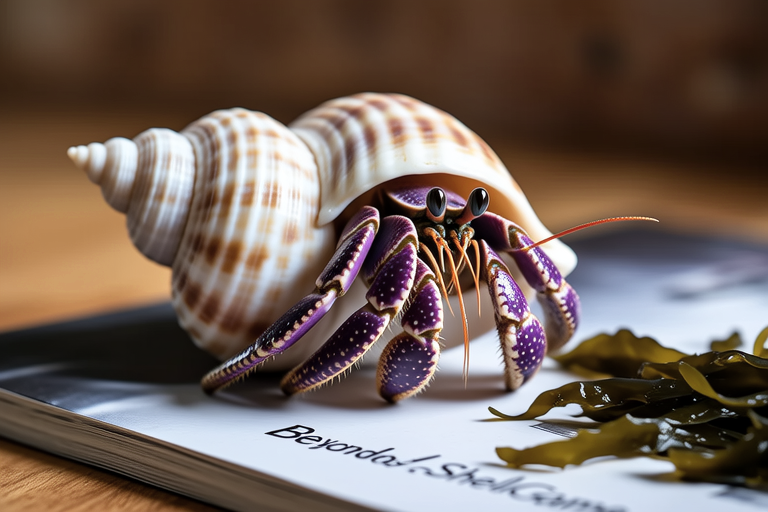
Beyond the Shell Game: Caring for Your Unique Hermit Crab Companion
Welcome to the wonderful world of hermit crabs! These fascinating creatures have captivated pet enthusiasts with their quirky behaviors and unique needs. Beyond their charming appearance and the fun game of shell swapping, hermit crabs require careful attention to ensure they thrive in their new home. This guide will provide you with comprehensive care instructions, covering everything from habitat setup to dietary specifics and common health issues. We’ll also delve into the unique behaviors and needs of hermit crabs, offering tips for creating a stimulating environment that keeps them happy and healthy.
Setting Up the Perfect Habitat
The first step in caring for your hermit crab is creating a comfortable and safe environment. A glass or plastic aquarium with a secure lid is ideal, ensuring your crabs don’t escape. The enclosure should be at least three times as wide as it is tall, allowing ample space for climbing and exploration.
Substrate is crucial for hermit crabs, who spend much of their time burrowing. A mix of sand and coconut fiber provides the best conditions. Maintain a depth of at least four inches, ensuring the substrate is damp but not wet. Regularly check the moisture level to prevent mold growth, which can harm your pets.
Temperature and humidity are essential factors in a hermit crab’s habitat. Keep the temperature between 75°F and 85°F (24°C and 29°C) and maintain humidity levels around 70-80%. Use a hygrometer and thermometer to monitor these conditions accurately. A heat lamp or under-tank heater can help regulate temperature, while a humidifier or water dish helps maintain humidity.
Provide hiding spots and climbing structures to encourage natural behaviors. Driftwood, cork bark, and rocks offer both shelter and exercise opportunities. Arrange these items in a way that mimics their natural habitat, promoting a stress-free environment for your crabs.
Dietary Needs and Feeding Tips
Hermit crabs are omnivores, meaning they eat both plant and animal matter. Their diet should include a variety of fresh fruits, vegetables, and protein sources. Suitable options include apples, bananas, carrots, spinach, and cooked chicken. Avoid acidic fruits like citrus and artificial sugars, which can upset their digestive systems.
Offer a balanced diet by rotating food types and providing a calcium source, such as crushed eggshells or cuttlebone. This ensures your hermit crabs receive essential nutrients for healthy molting and shell maintenance. Feed your crabs daily, removing uneaten food after 24 hours to prevent spoilage.
Water is vital for hermit crabs, especially during molting. Provide a shallow water dish for drinking and soaking. Change the water daily to keep it clean and fresh. Additionally, mist the enclosure twice a day to maintain humidity and provide hydration.
Choosing the Right Shells
One of the most exciting aspects of hermit crab ownership is watching them switch shells. However, selecting appropriate shells is crucial for their well-being. Ensure there are plenty of shells available, varying in size and shape, to accommodate each crab’s growth. Clean shells thoroughly before introducing them to the enclosure, as bacteria and parasites can pose health risks.
Observe your crabs’ preferences and provide a range of options. Some crabs may show a preference for certain colors or textures, so experiment to find what works best for your group. Remember, hermit crabs cannot live without a shell, so always have an adequate supply available.
Social Dynamics and Group Living
Hermit crabs are social animals and generally enjoy the company of others. Keeping multiple hermit crabs together can create a more dynamic and entertaining environment. When introducing new crabs, ensure they are similar in size to avoid aggression. Gradually acclimate them to one another by placing them in separate enclosures for a few days before mixing.
Monitor interactions closely, as some crabs may become territorial or aggressive. If conflicts arise, separate the crabs and try again later. Providing ample space and resources, such as food, water, and shells, can reduce competition and promote peaceful coexistence.
Common Health Issues and Prevention
Like any pet, hermit crabs can face health challenges. One of the most common issues is improper shedding, where the crab fails to fully remove its old exoskeleton. This can lead to mobility problems and infections. To prevent this, maintain optimal humidity and temperature levels and ensure a balanced diet rich in calcium.
Molting is a natural process during which hermit crabs shed their exoskeleton to grow. During this time, they become very vulnerable and should be left undisturbed. Place them in a separate tank with a moist substrate and monitor their progress carefully. Once the molt is complete, return the crab to its main enclosure.
Parasites and bacterial infections can also affect hermit crabs. Regularly clean the enclosure and avoid overcrowding to minimize the risk. Quarantine new crabs for at least two weeks before introducing them to the main group. This precaution helps prevent the spread of diseases and ensures a healthier living environment for all.
Creating a Stimulating Environment
Hermit crabs are intelligent and curious creatures, requiring mental stimulation to stay happy and engaged. Incorporate toys and enrichment activities into their habitat. Puzzle feeders, small tunnels, and floating platforms can provide entertainment and exercise. Rotate these items periodically to keep the environment fresh and exciting.
Encourage exploration by rearranging the enclosure’s layout every few weeks. This change of scenery stimulates their senses and promotes natural behaviors. Additionally, consider adding live plants or decorations that mimic their natural surroundings, enhancing the overall aesthetic and functionality of the habitat.
Conclusion
Caring for a hermit crab is a rewarding experience that comes with unique challenges and joys. By understanding their specific needs and providing a stimulating environment, you can ensure your hermit crab companion thrives. Remember, responsible ownership involves ongoing education and commitment. With proper care and attention, your hermit crab will bring endless fascination and companionship to your home.
