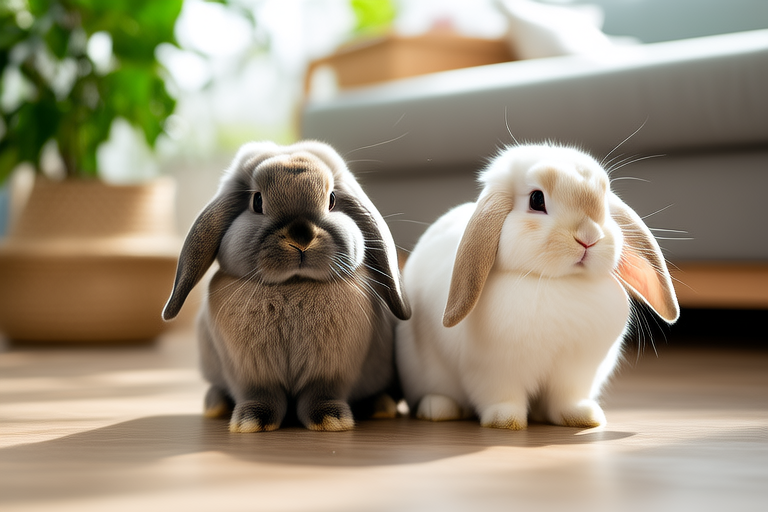
Adorable Lop Rabbits: The Ultimate Guide for First-Time Owners
Welcome to the world of lop rabbits! These charming, floppy-eared creatures have captured the hearts of many animal lovers with their gentle demeanor and endearing appearance. If you’re considering adopting a lop rabbit as your first pet, you’ve come to the right place. This comprehensive guide will walk you through everything you need to know about these delightful animals, from selecting the perfect breed to ensuring their health and happiness.
Introduction to Lop Rabbits
Lop rabbits are a group of domestic rabbit breeds characterized by their long, drooping ears. These breeds come in various sizes and colors, making them a popular choice among pet enthusiasts. Their soft, plush fur and expressive faces add to their appeal, but it’s their gentle, affectionate nature that truly sets them apart. Lops are known for being calm, friendly, and patient, traits that make them ideal companions for families and individuals alike.
Choosing the Right Lop Rabbit Breed
There are several types of lop rabbits, each with its own unique characteristics. Here’s a quick overview of some popular breeds:
- English Lops: Known for their exceptionally large, droopy ears, these rabbits can weigh up to 12 pounds and are one of the largest lop breeds. They are generally docile and easy-going.
- French Lops: A bit smaller than English Lops, French Lops are still substantial in size, weighing around 9-12 pounds. They are robust and have a more rounded body shape.
- Mini Lops: As the name suggests, Mini Lops are the smallest of the lop breeds, typically weighing between 4-6 pounds. Despite their smaller size, they retain the same friendly demeanor as their larger counterparts.
When choosing a lop rabbit, consider factors such as living space, time availability, and personal preferences. Larger breeds like English and French Lops require more space and attention, while Mini Lops are more adaptable to apartment living.
Essential Equipment for Your Lop Rabbit
To ensure your lop rabbit has a comfortable and safe environment, there are several items you’ll need:
- Hutch or Cage: Provide a spacious hutch or cage with ample ventilation and a solid floor. The cage should be large enough for your rabbit to move around comfortably.
- Bedding: Use absorbent bedding material such as straw or shredded paper to keep the cage clean and cozy.
- Toys: Rabbits enjoy mental stimulation, so provide chew toys, tunnels, and other interactive items.
- Water Bottle: Rabbits prefer drinking from water bottles rather than bowls, which can become contaminated.
Diet and Feeding Guidelines
A balanced diet is crucial for maintaining your lop rabbit’s health. Their diet should consist primarily of hay, supplemented with fresh vegetables and a small amount of pellets. Avoid feeding your rabbit sugary or starchy foods, as these can lead to digestive problems.
Hay should be available at all times, as it aids digestion and keeps teeth healthy. Timothy hay is recommended for adult rabbits, while younger rabbits may benefit from alfalfa hay due to its higher calcium content. Fresh vegetables such as carrots, broccoli, and spinach should be offered daily, but in moderation.
Grooming Tips
Rabbits require regular grooming to keep their coats healthy and free of mats. Brush your lop rabbit at least once a week, paying special attention to areas where their fur is thicker, such as around the neck and behind the ears. During shedding season, you may need to brush more frequently to prevent hairballs.
Bathing is rarely necessary unless your rabbit gets particularly dirty. Instead, focus on cleaning their ears and paws with a damp cloth. Always handle your rabbit gently and calmly during grooming sessions to ensure they remain relaxed.
Exercise Needs
Like all animals, lop rabbits need regular exercise to stay healthy and happy. Allow your rabbit supervised time outside of their cage each day. A secure, rabbit-proofed area within your home or yard is ideal for playtime. Make sure the space is free from toxic plants and small objects that could be swallowed.
Exercise also helps stimulate mental activity. Provide tunnels, balls, and other toys to encourage exploration and play. Regular exercise can help prevent obesity and associated health issues.
Common Health Issues
While lop rabbits are generally hardy, they can be prone to certain health issues if not properly cared for. Common ailments include dental problems, respiratory infections, and gastrointestinal issues. Regular veterinary check-ups and a balanced diet can help prevent these conditions.
Signs of illness to watch for include lethargy, loss of appetite, runny nose, and changes in bathroom habits. If you notice any of these symptoms, consult a veterinarian immediately.
Training and Bonding with Your Pet
Building a strong bond with your lop rabbit takes time and patience. Spend quality time together each day, offering treats and praise to reinforce positive behaviors. Training can involve teaching simple commands like ‘come’ or ‘stay,’ but the focus should be on creating a trusting relationship.
Handle your rabbit gently and consistently to help them feel secure. Offer plenty of affection and attention, and always respect their boundaries. Some rabbits may enjoy being held, while others prefer to remain close to the ground.
Resources for Further Learning and Support
Becoming a responsible rabbit owner involves ongoing education and support. Consider joining local rabbit clubs or online forums where you can connect with experienced owners and share experiences. Books and websites dedicated to rabbit care can also provide valuable insights into raising these wonderful pets.
Remember, every rabbit is unique, and what works for one may not work for another. Stay open to learning and adapting your approach as you grow closer to your furry friend.
