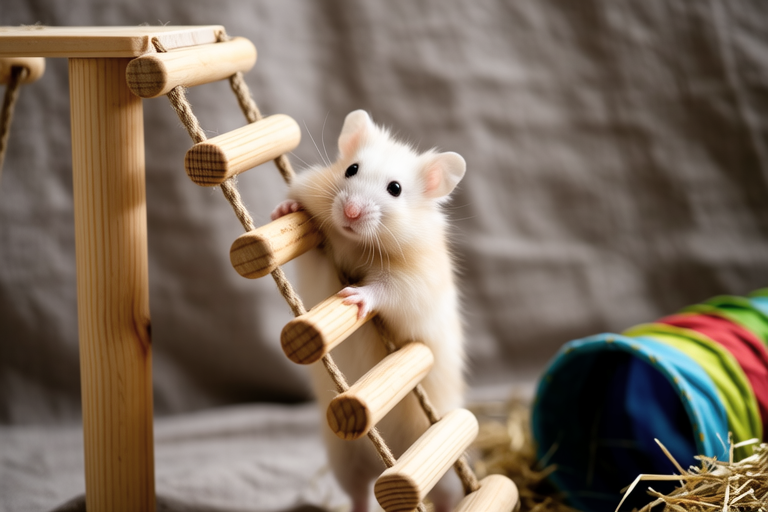
Hamster Habitat Hacks: Transforming Boredom into Adventure
Welcome, fellow hamster enthusiasts! If you’re reading this, you’re likely already aware of the unique charm that hamsters bring into our lives. These small, furry creatures are not just adorable; they also have specific needs when it comes to mental stimulation and physical activity. In this article, we will explore various ways to enrich your hamster’s living space, turning potential boredom into an exciting adventure.
The Need for Stimulation and Activity
Hamsters, like all animals, require both mental and physical stimulation to thrive. They are naturally curious and active creatures, often engaging in digging, running, and exploring behaviors. A lack of these activities can lead to boredom, stress, and even health issues. Providing a stimulating environment not only keeps your hamster happy but also promotes their overall well-being.
Creative Ways to Enhance Your Hamster’s Living Space
DIY Toys for Mental Stimulation
One of the most delightful aspects of having a hamster is crafting custom toys for them. Simple items from around the house can be transformed into exciting playthings. For example, cardboard tubes from toilet paper or paper towel rolls make excellent tunnels. Just cut them to size and arrange them in different configurations to create mazes for your hamster to explore. Be sure to check that there are no rough edges that could harm your pet.
Another fun project is creating a hanging hammock. Using a soft, non-toxic fabric like fleece, you can sew a simple pouch with an opening at the top. Attach a string to the opening and hang it securely within the cage. This gives your hamster a cozy place to rest and a new perspective from which to view their surroundings.
Safe Tunnel Systems for Physical Activity
Tunnels are a fantastic way to encourage exploration and exercise. You can purchase commercial tunnels, but creating your own can be both cost-effective and fun. Use PVC pipes or flexible tubing, ensuring they are the right diameter for your hamster. Connect them with elbows or T-junctions to form complex networks. Add some twists and turns to keep things interesting.
For an added challenge, incorporate ramps and bridges. Small pieces of wood or plastic can be used to elevate sections of the tunnel system, allowing your hamster to climb and navigate three-dimensional spaces. Just make sure everything is secure and stable to prevent accidents.
Interactive Feeding Solutions
Feeding can be turned into an enriching experience by hiding treats throughout the cage. Use small containers or paper cups with holes punched in them to release treats as your hamster explores. This mimics foraging behavior and provides mental engagement during mealtime.
Consider using food puzzles designed for pets. These can be homemade using plastic containers with holes cut out or purchased commercially. Fill them with pellets or seeds and watch as your hamster works to extract their meal. This not only entertains them but also encourages natural foraging instincts.
The Importance of Novelty and Rotation
To keep your hamster engaged and excited about their environment, it’s essential to rotate toys and activities regularly. Introducing new elements every few days or weeks helps maintain interest and prevents boredom. This can include swapping out toys, rearranging the layout of the cage, or adding new types of tunnels and structures.
When introducing new items, monitor your hamster closely for any signs of distress or discomfort. Some hamsters may take time to adjust to changes, so patience is key. Gradually integrate new elements and observe how your pet interacts with them.
Selecting Appropriate Materials and Sizes
Choosing the right materials is crucial for the safety and comfort of your hamster. Opt for non-toxic, easily cleanable materials that won’t fray or shed harmful fibers. Avoid plastics that might contain BPA or other chemicals, and always test any new addition for sharp edges or small parts that could pose a choking hazard.
Size matters too. Ensure that tunnels and structures are appropriately sized for your hamster. A good rule of thumb is that the diameter of tunnels should allow your hamster to turn around comfortably inside. Additionally, consider the height of ramps and bridges; they should be low enough for easy access but high enough to provide a challenge.
Observing Your Hamster’s Behavior
Regularly observe your hamster to gauge their reaction to habitat changes. Look for signs of enjoyment, such as increased activity levels, curiosity, and exploration. Conversely, be alert for any indications of stress or discomfort, such as reduced activity, excessive grooming, or changes in eating habits.
If you notice any negative reactions, it may be necessary to modify or remove certain elements from the cage. Pay attention to how your hamster interacts with different areas of the habitat and adjust accordingly. This ongoing observation ensures that your hamster remains healthy and happy.
Conclusion
By incorporating these habitat hacks, you can transform your hamster’s living space into an exciting adventure zone. From DIY toys and safe tunnel systems to interactive feeding solutions, there are countless ways to enrich your pet’s life. Remember the importance of novelty and rotation, and always prioritize your hamster’s safety and comfort. With a little creativity and effort, you can ensure that your hamster enjoys a stimulating and enjoyable environment that supports their physical and mental well-being.
