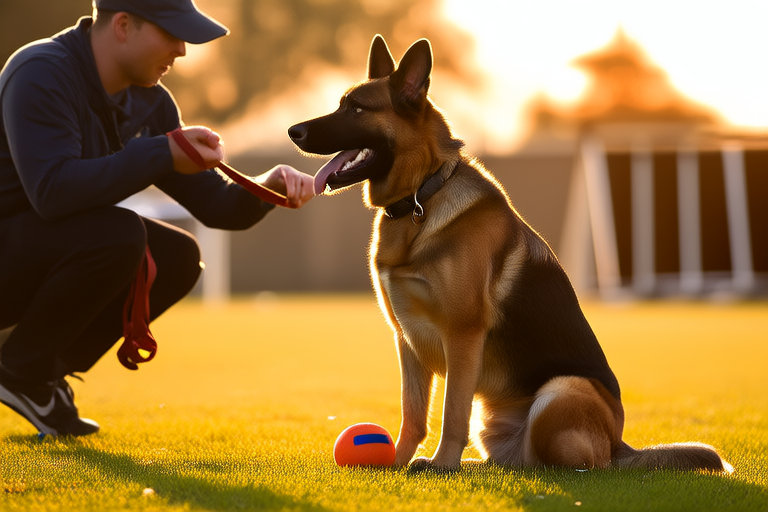
German Shepherd Training Hacks Every Owner Should Know
German Shepherds are one of the most popular dog breeds due to their loyalty, intelligence, and versatility. However, their high energy levels and strong protective instincts require proper training and care. This comprehensive guide offers practical training tips, addresses common challenges, highlights effective communication techniques, emphasizes positive reinforcement strategies, discusses exercise needs, suggests mental stimulation activities, underscores the importance of socialization, and explores unique traits of German Shepherds that impact their training.
Understanding Your German Shepherd
Before diving into training methods, it’s essential to understand your German Shepherd’s unique characteristics. They are highly intelligent, alert, and eager to please, making them excellent candidates for various roles such as police work, search and rescue, and therapy. Their strong sense of loyalty and protectiveness means they form deep bonds with their owners but may exhibit territorial behavior if not properly socialized. Additionally, their herding instinct can sometimes lead to nipping or chasing other animals.
Effective Communication Techniques
Communicating effectively with your German Shepherd is crucial for successful training. Use clear, consistent commands and body language to convey your expectations. For instance, when teaching ‘sit,’ say the command firmly while gently pressing down on their hindquarters. Over time, your dog will associate the word with the action. Consistency is key; always use the same command for each action and reward correct behavior immediately to reinforce learning.
Positive Reinforcement Strategies
Positive reinforcement is an essential component of German Shepherd training. Rewarding good behavior with treats, praise, or playtime encourages your dog to repeat desired actions. Start by rewarding small steps toward the desired behavior, gradually increasing the difficulty level. For example, when teaching ‘stay,’ initially reward your dog for remaining seated for just a few seconds before slowly extending the duration. Always end training sessions on a positive note to ensure your German Shepherd looks forward to the next session.
Exercise Needs
German Shepherds have high energy levels and require regular physical activity to stay healthy and happy. Daily walks, runs, or play sessions help burn off excess energy and prevent behavioral issues caused by boredom or frustration. Incorporate different types of exercises to keep things interesting for your dog. Agility courses, fetch games, and swimming are all great options. Remember that puppies under six months old should engage in short, frequent exercise sessions to avoid joint problems.
Mental Stimulation Activities
In addition to physical exercise, mental stimulation is vital for German Shepherds. Engage your dog’s mind with puzzle toys, interactive games, and obedience training. These activities challenge their problem-solving skills and provide an outlet for their natural curiosity. Teaching new tricks or introducing scent work can also be enjoyable ways to stimulate your German Shepherd’s brain. Rotate toys regularly to maintain interest and prevent boredom.
Socialization Importance
Socializing your German Shepherd from an early age helps them become well-adjusted adults who can interact confidently with people and other animals. Expose your puppy to various environments, sounds, and experiences while keeping interactions positive. Puppy classes offer structured opportunities for controlled socialization. Continue socializing your adult dog by taking them to parks, dog-friendly cafes, or participating in community events. Proper socialization reduces fear-based aggression and promotes a friendly demeanor.
Common Challenges Faced by Owners
Despite their intelligence, German Shepherds can present some challenges during training. One common issue is separation anxiety, which can manifest as destructive chewing, excessive barking, or pacing. To address this, gradually increase the time your dog spends alone, offering comfort items like blankets or toys. Another challenge is resource guarding, where your dog becomes possessive over food, toys, or territory. Prevent this by teaching ‘drop it’ and ‘leave it’ commands early and consistently. Lastly, some German Shepherds may develop stubbornness or independence, requiring patient, consistent training approaches.
Unique Traits Impacting Training
Several unique traits of German Shepherds influence their training. Their strong prey drive makes them prone to chasing smaller animals, so early exposure to cats or other pets is crucial. Their herding instinct can result in nipping or biting, especially during play. Redirect this behavior by providing appropriate chew toys and praising gentle play. Additionally, their protective nature means they may bark excessively when strangers approach. Train your German Shepherd to respond to ‘quiet’ commands and reward calm behavior around visitors.
Practical Training Tips
Implement these practical training tips to enhance your German Shepherd’s education:
- Start Early: Begin basic obedience training as soon as you bring your puppy home. Early training establishes boundaries and reinforces good behavior.
- Use Clicker Training: Clicker training involves using a clicker to mark the exact moment your dog performs a desired action. Pair the click with a treat to reinforce the behavior.
- Teach Recall: Teach your German Shepherd a reliable recall command to ensure they come back when called. Practice in distraction-free environments before moving to more challenging settings.
- Address Separation Anxiety: Gradually increase the time your dog spends alone, offering comfort items like blankets or toys. Crate training can provide a safe space for your dog during separations.
- Handle Gently: Regularly handle your German Shepherd’s paws, ears, and mouth to accustom them to grooming and veterinary procedures.
Conclusion
Training a German Shepherd requires patience, consistency, and positive reinforcement. By understanding your dog’s unique traits, employing effective communication techniques, addressing common challenges, and providing ample exercise and mental stimulation, you can build a strong bond with your loyal companion. Remember that every dog is different, so tailor your approach to suit your individual German Shepherd’s needs. With dedication and love, you’ll create a well-behaved, happy, and healthy pet.
