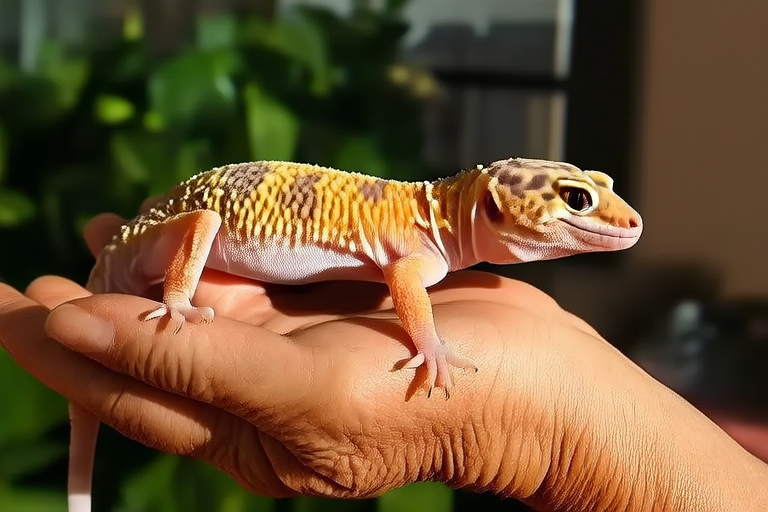
Transforming Lives: The Healing Power of Chameleons as Therapy Pets
When most people think of therapy animals, dogs, cats, and horses often come to mind. However, there is a lesser-known but equally effective therapy animal that is gaining popularity – the chameleon. These fascinating creatures, known for their unique color-changing abilities and quiet demeanor, are becoming increasingly recognized for their therapeutic value. This article explores the psychological benefits of chameleons as therapy pets, supported by scientific insights, and provides practical advice on caring for them.
The Unconventional Therapy Pet
Chameleons are perhaps one of the most visually striking reptiles. Their ability to change color, combined with their serene and peaceful nature, makes them ideal companions for those seeking tranquility. Unlike more active pets, chameleons are relatively low-maintenance and require minimal interaction, making them perfect for individuals who need a calming presence without the demands of a more interactive pet.
Psychological Benefits
Interacting with chameleons has been shown to reduce stress and anxiety levels. The gentle presence of these creatures can promote mindfulness and help individuals focus on the present moment. Studies have demonstrated that the act of observing a chameleon’s movements and colors can lower heart rates and blood pressure, creating a sense of calm and relaxation.
A recent study published in the Journal of Animal-Assisted Therapy found that patients who interacted with chameleons during therapy sessions reported significant reductions in symptoms of depression and anxiety. The researchers noted that the chameleons’ slow and deliberate movements helped patients become more aware of their own body language and breathing patterns, fostering a deeper connection with themselves.
Scientific Insights
Research into the therapeutic effects of animals has consistently shown that interactions with pets can lead to increased levels of oxytocin, a hormone associated with bonding and trust. In the context of chameleons, this effect can be particularly beneficial for individuals with social anxiety or those who struggle with forming connections. The non-intrusive nature of chameleons allows for a gradual and comfortable development of trust between the pet and its owner.
Additionally, the visual appeal of a chameleon’s color-changing abilities can serve as a captivating distraction from negative thoughts and emotions. This visual stimulation can trigger the release of dopamine, a neurotransmitter responsible for feelings of pleasure and reward, further enhancing the mood of the individual.
Caring for a Chameleon as a Therapy Pet
Before bringing a chameleon into your life, it’s essential to understand the specific care requirements necessary to ensure its health and well-being. Proper habitat setup, diet, and handling techniques are crucial for maintaining a happy and healthy chameleon.
Habitat Setup
Creating an appropriate environment for your chameleon is paramount. A well-designed enclosure should mimic the natural habitat of the species, providing ample space for climbing and basking. A standard 24″ x 18″ x 36″ vivarium is suitable for most chameleons, though larger enclosures may be necessary for certain species. Ensure that the enclosure is equipped with branches, vines, and other climbing structures to encourage movement and exercise.
Temperature control is also critical. Most chameleons thrive in temperatures ranging from 75°F to 90°F (24°C to 32°C). A heat lamp or ceramic heat emitter should be used to create a basking spot within the enclosure. Additionally, a UVB light source is necessary for proper calcium metabolism and overall health.
Diet
Chameleons are insectivores, meaning their diet consists primarily of insects. A varied diet rich in nutrients is essential for their health. Suitable feeder insects include crickets, dubia roaches, and silkworms. It’s important to gut-load these insects with nutritious foods before feeding them to your chameleon. Providing supplements such as calcium and vitamin D3 can help prevent deficiencies.
Feeding should occur daily, with the quantity adjusted based on the size and age of the chameleon. Younger chameleons typically require more frequent feedings compared to adults. Always remove any uneaten insects from the enclosure to prevent potential harm to the chameleon.
Handling Tips
Chameleons are delicate creatures and should be handled with care. Frequent handling is generally not recommended, as excessive stress can negatively impact their health. When handling is necessary, always support the chameleon’s body and avoid grasping it too tightly. It’s best to allow the chameleon to climb onto your hand rather than picking it up directly.
Regular interaction, even if limited, can still foster a bond between you and your chameleon. Spend time observing its behavior and movements, which can be a meditative and soothing experience. This approach aligns perfectly with the goal of using chameleons as therapy pets.
Inspiring Stories
One inspiring story comes from Sarah, a woman who struggled with severe anxiety and depression. After trying various conventional therapies, she turned to alternative methods, eventually adopting a veiled chameleon named Charlie. Over time, Sarah noticed a significant improvement in her mental health. She credits the chameleon’s calming presence and the simple joy of watching its colors change for helping her find peace.
Another example is John, a young boy diagnosed with autism spectrum disorder. His parents introduced a panther chameleon named Zara into his home, hoping it would provide a new avenue for emotional expression. John’s interactions with Zara became a cornerstone of his therapy routine, helping him develop greater self-awareness and communication skills. His parents report that Zara has become a bridge between John and the world around him, facilitating social interactions and emotional growth.
Conclusion
The healing power of chameleons as therapy pets is undeniable. Their unique attributes, combined with the psychological benefits they offer, make them an excellent choice for individuals seeking a tranquil and supportive companion. By understanding the specific care requirements and embracing the calming influence of these fascinating creatures, we can open doors to improved mental health and well-being.
Whether you’re considering a chameleon as a therapy pet or simply curious about the benefits they offer, remember that every interaction with these remarkable animals has the potential to transform lives. Embrace the journey of connecting with chameleons, and discover the profound impact they can have on your mental and emotional health.
