The Enigmatic Abyssinian Cat: A Comprehensive Guide
The Abyssinian cat is a breed that has captivated cat lovers for centuries with its striking appearance and unique personality. Known for its sleek, ticked coat and large, almond-shaped eyes, the Abyssinian is a medium-sized cat with a lithe body and a graceful demeanor. This breed has a rich history and is surrounded by myths and legends that add to its mystique. In this guide, we will explore the unique characteristics, history, and behaviors of the Abyssinian cat, focusing on what makes this breed enigmatic.
Appearance
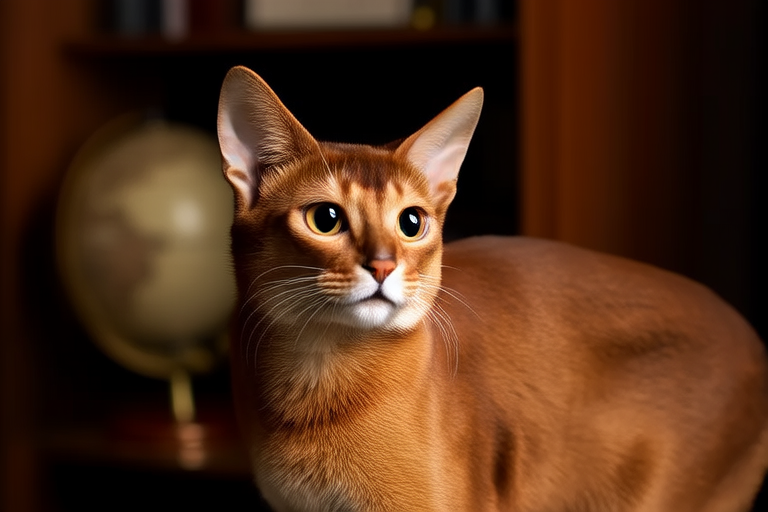
The Abyssinian cat boasts a distinctive look that sets it apart from other breeds. Its coat is short, dense, and plush, featuring a unique ticking pattern where each hair has bands of color. The most common colors are ruddy (a warm reddish-brown), blue (a soft gray), fawn (a pale beige), and cinnamon (a light brown). These colors give the Abyssinian a wild and exotic appearance, reminiscent of ancient Egyptian cats. The breed’s eyes are large and expressive, typically gold or green, adding to its captivating gaze.
Abyssinians have long, slender bodies, with well-muscled legs and oval paws. Their tails are long and tapering, often held high when they walk. The breed’s head is wedge-shaped, with large, pointed ears and a straight profile. Their facial features are delicate yet strong, giving them an elegant and refined appearance.
Origins
The exact origins of the Abyssinian cat remain shrouded in mystery, but many believe that the breed traces back to ancient Egypt. The name “Abyssinian” suggests a connection to Ethiopia, formerly known as Abyssinia, but there is no concrete evidence to support this theory. Some historians suggest that the breed may have originated in Southeast Asia, specifically in countries such as India, Burma, or Siam. Others believe that the Abyssinian was brought to England by British soldiers returning from the Abyssinian War in the mid-19th century.
The first recorded Abyssinian cat in Britain was named Zula, who was exhibited at the Crystal Palace Cat Show in 1871. Zula was said to have been captured during the Abyssinian War and brought to England as a trophy. However, the true ancestry of the Abyssinian remains uncertain, and many experts believe that modern Abyssinians are the result of selective breeding rather than direct descendants of ancient Egyptian cats.
Personality Traits
Abyssinian cats are known for their playful and curious nature. They are highly intelligent and enjoy interactive play, often engaging in games that challenge their problem-solving skills. Abyssinians are active cats that require mental stimulation and physical exercise. They are known for their agility and love to climb and explore, making them excellent companions for households with tall furniture and cat trees.
Despite their playful nature, Abyssinians can be quite affectionate and loyal to their owners. They form strong bonds with their human families and enjoy being around people. However, they can be somewhat independent and may not always seek constant attention. Abyssinians are generally good with children and other pets, but they prefer gentle handling and respect for their space.
Myths and Legends
The Abyssinian cat has been the subject of many myths and legends throughout history. One popular myth claims that the breed is descended from the sacred cats of ancient Egypt. According to this legend, the Abyssinian cat was worshipped by the Egyptians and was believed to possess magical powers. Another myth suggests that the breed was named after the Abyssinian War, where British soldiers brought back a cat that became the foundation of the breed.
While these myths are intriguing, they are not supported by historical evidence. The true origins of the Abyssinian cat remain a mystery, adding to its enigmatic reputation. Despite the lack of factual basis, these myths have contributed to the breed’s popularity and fascination among cat enthusiasts.
Intelligence
Abyssinian cats are renowned for their intelligence and problem-solving abilities. They are quick learners and can be trained to perform simple tricks, such as fetching toys or using a lever to open doors. Abyssinians are also known for their curiosity and love of exploration, often finding ways to access areas that are off-limits. Their intelligence makes them excellent companions for households that provide mental stimulation and enrichment.
However, their intelligence can sometimes lead to mischievous behavior if they become bored or under-stimulated. Abyssinians require regular interaction and playtime to keep their minds sharp and prevent destructive behavior. Providing puzzle toys, interactive games, and opportunities for exploration can help satisfy their intellectual needs and maintain a healthy balance.
Health Considerations
While Abyssinians are generally healthy cats, they are prone to certain genetic conditions. One of the most common health issues is Periodontal Disease, which can cause tooth decay and gum infections if left untreated. Regular dental care, including brushing and professional cleanings, is essential to maintain the health of their teeth and gums.
Abyssinians are also susceptible to Patellar Luxation, a condition where the kneecap dislocates from its normal position. This can cause pain and discomfort and may require surgical intervention in severe cases. Regular veterinary check-ups and early detection can help manage this condition and prevent complications.
In addition to these specific health concerns, Abyssinians are at risk for Hypertrophic Cardiomyopathy, a heart disease that can lead to heart failure if not treated promptly. Regular heart screenings and monitoring can help detect this condition early and improve the prognosis for affected cats.
Interaction with Humans
Abyssinians are social cats that enjoy the company of their human families. They are known for their affectionate nature and often seek out physical contact, such as petting and cuddling. However, they can be somewhat independent and may not always demand constant attention. Abyssinians tend to bond closely with one or two family members, forming strong attachments and seeking their company.
They are generally good with children and other pets, provided that they are introduced gradually and given time to adjust. Abyssinians are known for their playful and curious nature, making them excellent companions for households with young children or other animals. However, they prefer gentle handling and respect for their personal space, so it’s important to teach children and other pets to interact with them appropriately.
Care Requirements
Caring for an Abyssinian cat requires attention to their physical, emotional, and intellectual needs. Regular grooming is essential to maintain the health and appearance of their coat. While their short fur is relatively low maintenance, they still benefit from weekly brushing to remove loose hairs and distribute natural oils. Bathing should be done only when necessary, as frequent bathing can strip their coat of its natural oils.
Abyssinians are highly active cats that require plenty of space to move around and explore. Providing them with tall furniture, climbing structures, and scratching posts can help satisfy their need for vertical space and exercise. Interactive play sessions, using toys that stimulate their hunting instincts, are also important to keep them mentally and physically engaged.
Regular veterinary check-ups and dental care are crucial to maintaining the health of your Abyssinian. Routine vaccinations, parasite control, and heart screenings should be part of their preventive care plan. Early detection and management of any health issues can help ensure a long and healthy life for your cat.
Tips for Potential Owners
If you’re considering adopting an Abyssinian cat, there are several factors to consider. First and foremost, ensure that you can provide the level of mental and physical stimulation that this breed requires. Abyssinians thrive in environments that offer plenty of opportunities for exploration, play, and interaction. They are not suited for households where they will be left alone for extended periods.
Secondly, be prepared for the possibility of mischievous behavior if your Abyssinian becomes bored or under-stimulated. Providing puzzle toys, interactive games, and regular playtime can help prevent destructive behavior and keep your cat happy and healthy. Finally, be aware of the specific health concerns associated with the breed and consult with your veterinarian about appropriate preventive care measures.
Adopting an Abyssinian cat is a rewarding experience for those who appreciate their unique qualities. With proper care and attention, these enigmatic cats can make wonderful companions and bring joy and companionship to your home.
Conclusion
The Abyssinian cat is a breed that combines beauty, intelligence, and charm, making it a popular choice among cat enthusiasts. With its striking appearance, rich history, and unique personality, the Abyssinian is a truly enigmatic breed that continues to captivate and intrigue. Whether you’re a seasoned cat owner or considering adopting your first feline friend, the Abyssinian is a breed worth exploring. By understanding their needs and providing the care they require, you can ensure a long and fulfilling relationship with this remarkable cat.
