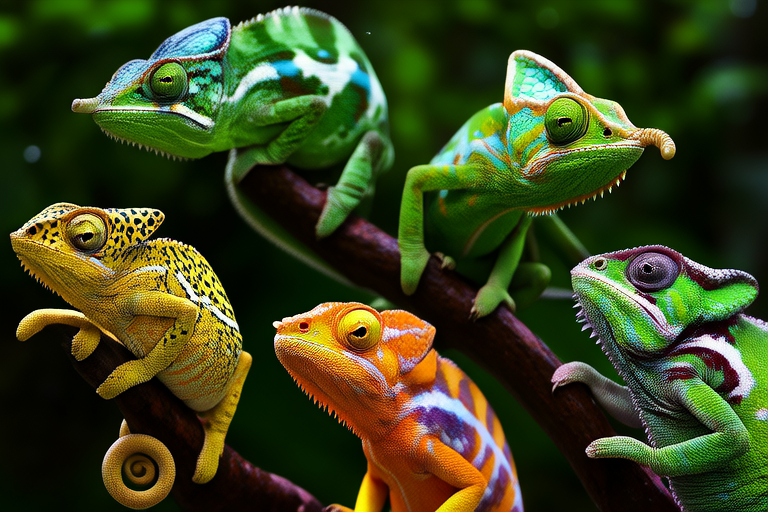
The Top 5 Most Colorful Chameleon Species You Should Know
Chameleons are one of the most fascinating creatures in the animal kingdom, known for their remarkable ability to change color. This unique feature is not merely a matter of camouflage but serves multiple purposes such as communication, temperature regulation, and mood expression. These lizards have adapted over millions of years to blend into their environments or stand out, depending on their needs.
In this article, we explore the top five most colorful chameleon species that showcase the incredible diversity within this family. Each species has its own distinct characteristics, habitats, and reasons for being a standout in the world of reptiles. Let’s dive into the vibrant world of chameleons and discover what makes them so special.
1. Panther Chameleon (Furcifer pardalis)
The Panther Chameleon is undoubtedly one of the most striking chameleon species. Native to Madagascar, it thrives in the lush, tropical rainforests where it enjoys high humidity and temperatures. The males of this species are particularly renowned for their vivid coloration, which can range from bright reds and oranges to deep blues and greens.
Scientifically known as Furcifer pardalis, the panther chameleon is a master of adaptation. Its diet primarily consists of insects like crickets and grasshoppers. The male’s colors are used to attract females and intimidate rivals during mating season. Their ability to display such a wide spectrum of colors makes them a favorite among reptile enthusiasts and researchers alike.
2. Veiled Chameleon (Chamaeleo calyptratus)
The Veiled Chameleon, scientifically named Chamaeleo calyptratus, is another iconic chameleon species. Originating from the Arabian Peninsula, specifically Yemen and Saudi Arabia, this chameleon is well-adapted to arid and semi-arid regions. It can be found in rocky hillsides and dry forests.
This species is famous for its distinctive casque, a helmet-like structure on its head. The veiled chameleon is capable of displaying a wide array of colors, including vibrant greens, yellows, and even black. Their diet includes a variety of insects and plant matter, making them omnivores. The colors they exhibit can vary based on their mood, health, and environment.
3. Parson’s Chameleon (Calumma parsonii)
The Parson’s Chameleon, Calumma parsonii, is the largest species of chameleon, native to the island of Madagascar. This giant chameleon is often found in the rainforests and mountainous areas of the island. Known for its impressive size and striking appearance, it can grow up to two feet in length.
Its body is adorned with a variety of colors, from deep greens to vibrant yellows. The Parson’s Chameleon is primarily insectivorous, feeding on a wide range of insects. Their color-changing abilities are crucial for communication and survival, allowing them to blend into their surroundings when threatened.
4. Jackson’s Chameleon (Trioceros jacksonii)
Jackson’s Chameleon, Trioceros jacksonii, hails from the highlands of Kenya and Tanzania. This species is easily recognizable by its three horns, resembling those of a dinosaur. They inhabit cool, misty forests where they can find ample cover and food.
Jackson’s Chameleons are known for their bright green coloration, which can sometimes include hints of blue and yellow. They feed mainly on small insects and snails. Their color-changing capabilities are used not only for camouflage but also to regulate body temperature and signal aggression or submission to other chameleons.
5. Common Chameleon (Chamaeleo chamaeleon)
The Common Chameleon, Chamaeleo chamaeleon, is widespread across parts of Europe and Northern Africa. Found in a variety of habitats ranging from woodlands to rocky hillsides, this species is highly adaptable.
Common Chameleons are typically a mottled brown or gray, but they can also display brighter colors like red and orange when agitated or during courtship displays. Their diet consists mainly of insects, and they are adept at catching prey with their long tongues. The common chameleon’s ability to change color is less pronounced compared to some of its relatives but still plays a significant role in its interactions.
Observing and Conserving Chameleons Responsibly
As we appreciate the beauty and uniqueness of these chameleon species, it’s important to remember our responsibility towards their conservation. When observing chameleons in their natural habitats, always ensure that you do so respectfully and without disturbing their environment.
Support local conservation efforts by participating in community projects or donating to organizations dedicated to protecting wildlife. Additionally, raising awareness about the importance of preserving these species’ habitats can make a significant difference. By educating others and taking action, we can help ensure that future generations will continue to marvel at the colorful world of chameleons.
