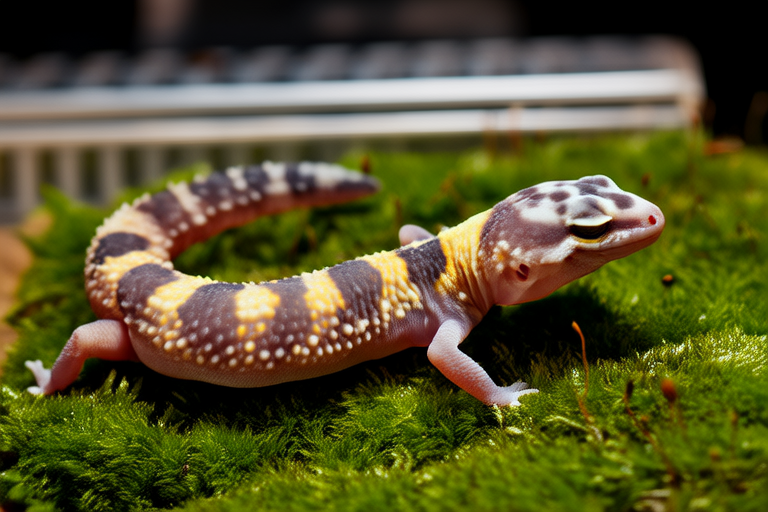
From Tiny Eggs to Full Grown: Raising Leopard Gecko Babies
Introduction
Leopard geckos have emerged as one of the most popular reptile pets due to their docile nature, ease of care, and striking appearance. These geckos are known for their unique spots that resemble those of leopards, which give them their name. Their manageable size and relatively low maintenance requirements make them ideal for both novice and experienced reptile enthusiasts. This article will guide you through the fascinating journey from tiny eggs to full-grown leopard geckos, detailing every step in the breeding and raising process.
The Breeding Process
Breeding leopard geckos is a rewarding endeavor, but it requires careful planning and attention to detail. The first step in breeding is selecting healthy adults. Both males and females should be at least one year old and have reached a weight of around 40 grams. Proper nutrition and regular health checks are crucial before pairing them.
Once paired, the female can lay up to three clutches of two eggs each per breeding season. The eggs need to be carefully removed and placed in an incubator to ensure successful hatching. The incubation environment must mimic the natural conditions of the gecko’s habitat, which means maintaining precise temperature and humidity levels.
Egg Incubation
The incubation period for leopard gecko eggs is approximately 45 to 60 days, depending on the incubation temperature. Temperature plays a critical role in determining the sex of the hatchlings. Higher temperatures tend to produce more males, while lower temperatures result in more females. For instance, eggs incubated at 88°F (31°C) will mostly yield males, whereas eggs kept at 82°F (28°C) will predominantly produce females.
Humidity is equally important. It should be maintained between 70% and 80% to prevent the eggs from drying out or becoming too moist, which could lead to mold growth. A substrate like vermiculite or perlite mixed with water to achieve the desired moisture level is commonly used in incubators.
Neonate Care
Newly hatched leopard geckos, or neonates, require special care. They should be housed individually in small enclosures with a shallow water dish and hiding spots. The enclosure should be kept clean, with a temperature gradient ranging from 75°F to 90°F (24°C to 32°C), and a humidity level around 40%. A heat lamp or under-tank heater can help maintain these conditions.
Feeding neonates is straightforward yet crucial. They primarily eat crickets dusted with calcium and vitamin D3 supplements. Feed them daily, starting with small crickets that are no larger than the space between their eyes. As they grow, gradually increase the size of the prey items.
Growth Stages
Leopard geckos go through several growth stages. During the first few weeks, they shed their skin regularly, and it’s essential to provide a humid hide for this process. After shedding, check for any retained skin, especially around the toes, which can lead to loss of digits if not addressed promptly.
As they mature, their diet can include other insects such as mealworms and waxworms, though these should be fed sparingly due to their higher fat content. Regular handling and gentle interactions help socialize them and reduce stress.
Common Health Issues and Preventive Measures
Like any pet, leopard geckos are susceptible to certain health issues. Metabolic bone disease (MBD) is one of the most common problems, often caused by a lack of calcium and vitamin D3. Ensuring a balanced diet and proper supplementation can prevent this condition.
Respiratory infections can occur if the enclosure is too cold or damp. Maintaining optimal temperature and humidity levels helps avoid this issue. Regular vet check-ups are also recommended to catch any potential health problems early.
Transitioning Babies into Adult Care
As leopard geckos grow, they will eventually need a larger enclosure to accommodate their increasing size. Transitioning them involves gradually introducing them to the new environment, ensuring they feel secure and comfortable. Continue to monitor their health and dietary needs closely during this period.
By following these guidelines, you can raise healthy, thriving leopard geckos. Remember, patience and attention to detail are key. Enjoy watching your tiny gecko babies grow into beautiful, full-grown pets that bring joy and companionship to your home.
