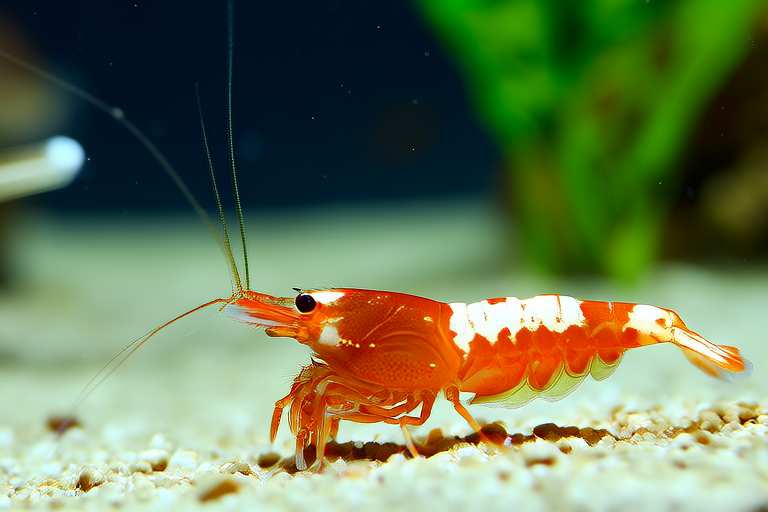
Coral Shrimp Adaptation: From Saltwater to Freshwater Aquariums
Introduction
The world of aquarium enthusiasts is filled with countless species that captivate our attention with their unique features and behaviors. Among these, coral shrimp have gained significant popularity due to their striking appearance and adaptability. These tiny creatures, known for their vibrant colors and intricate patterns, can thrive in both saltwater and freshwater environments, making them an excellent choice for aquarists looking to add a touch of marine life to their tanks without the complexities of maintaining saltwater conditions.
This article delves into the fascinating world of coral shrimp, exploring their natural habitat, dietary requirements, ideal water parameters for thriving in freshwater, common diseases, and tips for maintaining a healthy tank ecosystem. Whether you’re a seasoned aquarist or a beginner, this guide will provide valuable insights into the care and maintenance of these beautiful creatures.
Natural Habitat of Coral Shrimp
Coral shrimp, scientifically known as Stenopus hispidus, are native to tropical and subtropical waters, primarily found in the Indo-Pacific region. They inhabit coral reefs, where they play a crucial role in maintaining the health of these ecosystems by feeding on algae and detritus. Coral shrimp are typically found in shallow waters, often hiding among rocks and corals during the day and emerging at night to forage for food.
These shrimp are highly adaptable and can survive in various environments, including rocky crevices, caves, and even artificial structures within the reef. Their ability to thrive in diverse habitats has made them popular among aquarists who seek to replicate their natural conditions in freshwater tanks.
Dietary Requirements
In their natural habitat, coral shrimp are omnivorous, feeding on a variety of foods such as algae, small invertebrates, and organic matter. In freshwater aquariums, it’s essential to provide a balanced diet that mimics their natural feeding habits. A suitable diet for coral shrimp includes:
- Algae wafers and spirulina-based foods
- Small pieces of fresh vegetables like zucchini, cucumber, and spinach
- Frozen or freeze-dried foods like brine shrimp, daphnia, and bloodworms
- High-quality flake or pellet food formulated for shrimp and other small aquatic creatures
It’s important to note that coral shrimp are scavengers and will also consume leftover food and debris in the tank. However, providing a varied diet ensures optimal nutrition and promotes overall health.
Ideal Water Parameters for Thriving in Freshwater
To ensure the well-being of coral shrimp in a freshwater environment, it’s crucial to maintain stable and appropriate water parameters. Here are some key factors to consider:
- Water Temperature: Maintain a temperature range of 72°F to 82°F (22°C to 28°C).
- pH Levels: Aim for a pH between 6.5 and 7.5, slightly acidic to neutral.
- Ammonia and Nitrite: Both should be undetectable to prevent toxic conditions.
- Nitrate: Keep nitrate levels below 20 ppm to avoid stress and disease.
- Hardness: Soft to moderately hard water, with a general hardness (GH) of 4 to 12 dGH.
- Total Alkalinity: Maintain total alkalinity between 3 and 6 dKH.
Regular water testing and partial water changes are essential to monitor and maintain these parameters. Using a reliable water conditioner and a quality aquarium filter will also contribute to a healthy tank environment.
Common Diseases and Health Issues
Despite their hardiness, coral shrimp are susceptible to certain diseases and health issues if not properly cared for. Some common problems include:
- Bacterial Infections: Symptoms may include lethargy, loss of appetite, and visible sores or lesions on the body. Treatment involves improving water quality and using appropriate antibiotics under veterinary guidance.
- Fungal Infections: Often caused by poor water conditions or physical injuries. Signs include white patches on the body and fins. Maintaining clean water and using antifungal medications can help manage fungal infections.
- Parasitic Infestations: Parasites like ichthyophthirius multifiliis (Ich) can cause rapid breathing, scratching, and white spots on the body. Increasing water temperature and using anti-parasitic treatments are effective methods for controlling Ich.
Preventative measures such as quarantining new shrimp, maintaining proper water conditions, and avoiding overcrowding can significantly reduce the risk of disease outbreaks.
Tips for Maintaining a Healthy Tank Ecosystem
Creating a thriving environment for coral shrimp requires careful planning and ongoing maintenance. Here are some practical tips to ensure a healthy tank ecosystem:
- Proper Filtration: Invest in a high-quality filter that provides mechanical, biological, and chemical filtration to keep the water clean and free from harmful substances.
- Regular Water Changes: Perform weekly water changes of about 20% to remove accumulated toxins and replenish beneficial minerals.
- Substrate and Decorations: Use a fine-grained substrate to mimic their natural habitat and provide hiding spots. Incorporate rocks, driftwood, and live plants to create a more complex and enriching environment.
- Companion Species: Choose tank mates carefully to avoid aggression or predation. Suitable companions include peaceful fish, snails, and other non-aggressive shrimp species.
- Lighting: Provide moderate lighting to encourage plant growth and simulate natural daylight cycles. Avoid excessive light that could lead to algae blooms.
By following these guidelines, you can create a harmonious and vibrant tank ecosystem that supports the health and well-being of your coral shrimp.
The Beauty and Care Considerations of Keeping Coral Shrimp as Pets
Coral shrimp are not only fascinating creatures but also bring a unique aesthetic appeal to any aquarium. Their vibrant colors and intricate patterns make them stand out among other aquatic pets. The most common color variations include red, blue, and green, with some individuals exhibiting bioluminescent qualities that add an ethereal glow to the tank.
When considering coral shrimp as pets, it’s important to understand their behavior and needs. Coral shrimp are generally peaceful and can coexist with other non-aggressive species. However, they may become stressed or aggressive in overcrowded tanks or when faced with larger, more dominant fish. Providing ample hiding spaces and ensuring adequate space per shrimp will help minimize stress and promote a calm environment.
Additionally, coral shrimp are known for their cleaning behavior, helping to maintain the cleanliness of the tank by consuming algae and detritus. This makes them valuable additions to any aquarium, not just for their beauty but also for their functional benefits.
For novice aquarists, starting with a small group of coral shrimp in a well-established tank is recommended. As you gain experience, you can gradually expand your collection and introduce more complex setups. Experienced aquarists may experiment with different lighting, substrates, and decorations to create specialized environments that cater to the specific needs and preferences of their coral shrimp.
In conclusion, coral shrimp are captivating creatures that offer both visual appeal and functional benefits to aquariums. By understanding their natural habitat, dietary requirements, ideal water parameters, and common health issues, you can provide a thriving environment for these beautiful creatures. With proper care and attention, coral shrimp can become a cherished addition to any aquarist’s collection, bringing joy and fascination to their underwater world.
