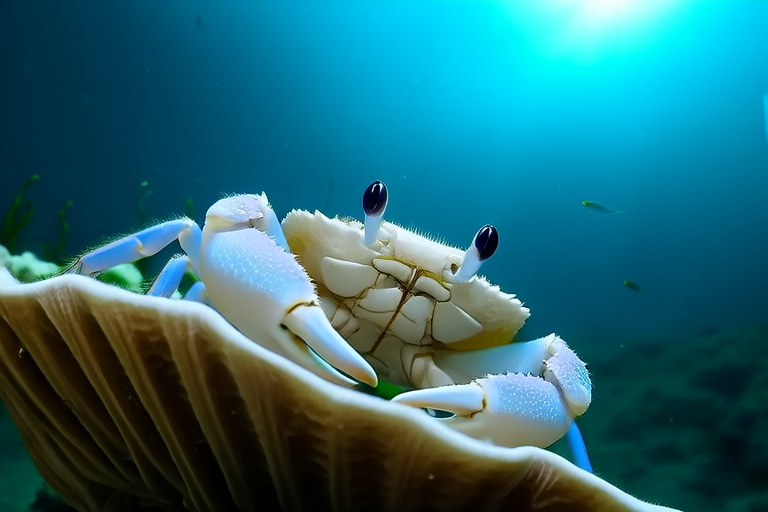
Pea Crabs: A Dive into Their Oceanic World
Welcome to the fascinating world of pea crabs! These tiny crustaceans, named for their resemblance to peas, are a unique group of crabs that have adapted to life within the bodies of larger sea creatures. They are not just another species of crab; they represent a remarkable example of symbiosis in marine ecosystems. This article will explore the natural habitat of pea crabs, their symbiotic relationships, characteristics, differences from other crab species, and considerations for keeping them in home aquariums.
Natural Habitat and Symbiotic Relationships
Pea crabs (family Pinnotheridae) are found in various parts of the world’s oceans, particularly in coastal waters where their hosts, such as sea anemones and barnacles, thrive. These crabs are obligate symbionts, meaning they cannot survive without their host organisms. The most common hosts for pea crabs include sea anemones and barnacles, but they can also be found in oysters, mussels, and even some echinoderms.
In the case of sea anemones, pea crabs live inside the anemone’s tentacles, protected by the stinging cells called nematocysts. This arrangement benefits both parties: the pea crab gains protection from predators and a steady supply of food, while the sea anemone receives nutrients from the waste products of the crab. Similarly, when living within barnacles, pea crabs benefit from the shelter provided by the barnacle’s hard shell and access to plankton-rich water currents. In return, the barnacle receives nitrogenous waste from the crab, which serves as a nutrient source.
Characteristics and Differences from Other Crab Species
Pea crabs are among the smallest members of the crab family, typically measuring between 0.5 and 1 inch in length. Their small size is one of the key features that set them apart from other crab species. Unlike many other crabs, pea crabs lack the ability to swim freely in open water. Instead, they rely on their hosts for mobility, moving only within the confines of their host organism.
Another notable characteristic of pea crabs is their soft, delicate appearance. Their exoskeleton is thinner than that of most other crab species, making them more vulnerable to environmental changes. This adaptation allows them to fit comfortably within the body cavities of their hosts, where they can find protection and sustenance.
Pea crabs are also known for their reproductive habits. Females carry their eggs under their bodies until they hatch, a strategy that ensures the safety of their offspring within the protective environment of the host. Once hatched, the juvenile crabs must quickly find a suitable host to continue their symbiotic relationship.
Diet and Behavior
The diet of pea crabs primarily consists of plankton and detritus, which they filter from the water using specialized mouthparts. In their natural habitats, they rely on the constant flow of water brought to them by their hosts, ensuring a steady supply of food. In captivity, pea crabs require a similar setup to mimic this natural environment.
Behaviorally, pea crabs are generally passive and non-aggressive. They spend most of their time within the body cavity of their host, emerging only to feed or mate. Due to their small size and delicate nature, they are not typically aggressive towards other organisms, including humans.
Considerations for Keeping Pea Crabs in Home Aquariums
If you’re considering adding pea crabs to your home aquarium, there are several important factors to keep in mind. First and foremost, it’s crucial to provide a suitable host organism for the crabs. Without a proper host, pea crabs will not survive in an aquarium setting. Sea anemones and barnacles are excellent choices for hosting pea crabs, as they provide both protection and a consistent food supply.
When selecting a host for your pea crabs, ensure that the host is healthy and well-established in your aquarium. Pea crabs are sensitive to changes in water quality and temperature, so maintaining stable conditions is essential for their survival. Additionally, it’s important to monitor the health of both the host and the pea crabs regularly, as any decline in the host’s condition could affect the crabs as well.
Feeding pea crabs in an aquarium can be challenging, as they rely on the natural flow of water to bring them food. To replicate this in a home aquarium, you can use a protein skimmer to maintain water quality and ensure a steady supply of plankton and detritus. Some aquarists also supplement their pea crabs’ diet with small amounts of fish food or algae wafers, but it’s important to avoid overfeeding, as excess food can lead to poor water quality.
Care Requirements
Pea crabs require specific care to thrive in a home aquarium. They need a stable environment with consistent water parameters, including temperature, pH, and salinity. It’s recommended to keep the water temperature between 72°F and 78°F (22°C to 26°C) and maintain a salinity level of 1.020 to 1.025 specific gravity. Regular water changes and proper filtration are essential to ensure clean and healthy water conditions.
Aquarists should also pay attention to the lighting in the aquarium. While pea crabs don’t have specific lighting requirements, the presence of a host organism may influence their preferred light levels. For instance, if your pea crabs are hosted by a sea anemone, providing adequate lighting for the anemone will indirectly benefit the crabs.
Challenges and Rewards
Keeping pea crabs in a home aquarium presents unique challenges due to their specialized needs. However, for those willing to invest the time and effort, the rewards can be significant. Observing these tiny creatures in action provides a glimpse into the intricate web of life in our oceans. Watching the symbiotic relationship between pea crabs and their hosts unfold in real-time can be both educational and captivating.
Moreover, successfully maintaining a healthy population of pea crabs in your aquarium demonstrates a high level of skill and dedication to marine life conservation. It’s a testament to the importance of understanding and respecting the delicate balance of marine ecosystems.
Conclusion
Pea crabs are a fascinating and unique group of crustaceans that offer a window into the complex world of marine symbiosis. Their small size, delicate appearance, and obligate symbiotic relationships make them a captivating subject for both marine biologists and aquarium enthusiasts alike. By understanding their natural habitat, characteristics, and care requirements, we can better appreciate these tiny creatures and contribute to their preservation in both natural and artificial environments.
