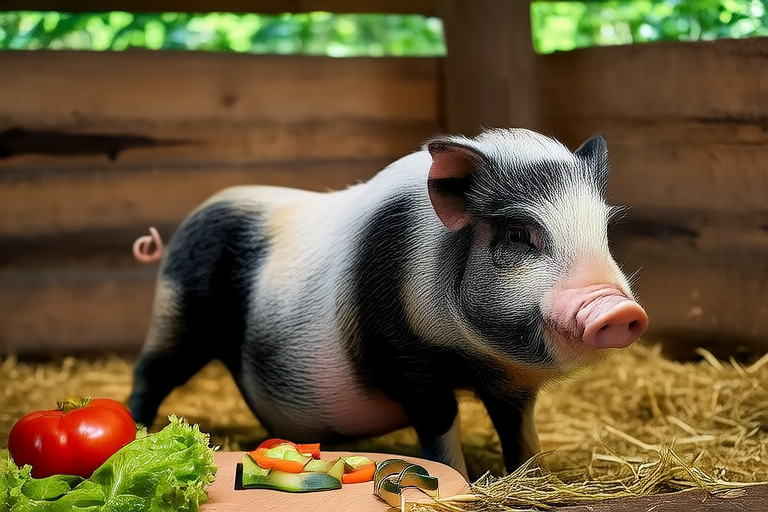
The Ultimate Guide to Keeping Your Guinea Pig Healthy and Active
Guinea pigs, also known as cavies, are delightful and social pets that can bring joy and companionship to your home. To ensure they lead long, healthy, and active lives, it is crucial for owners to understand their specific needs and provide them with appropriate care. This comprehensive guide covers essential aspects of guinea pig care, from diet and exercise to housing and health.
Proper Diet: The Foundation of Health
A balanced diet is fundamental to keeping your guinea pig healthy. Their diet should primarily consist of hay, fresh vegetables, and a source of vitamin C. Hay, such as Timothy hay, should make up the majority of their diet, providing essential fiber for digestion and dental health. Fresh vegetables, particularly those high in vitamin C, like bell peppers, broccoli, and parsley, should be offered daily. Avoid feeding foods high in sugar or starch, such as corn, as these can cause obesity and dental issues.
Recommended Exercise Routines
Physical activity is vital for maintaining a guinea pig’s overall health. Encourage movement by providing a spacious living area with tunnels, chew toys, and ramps. Daily out-of-cage time allows them to explore and play, promoting mental and physical stimulation. Supervised playtime outside the cage can also help prevent boredom and obesity. Ensure the play area is safe and free from hazards, such as toxic plants or small objects that could be ingested.
Suitable Housing Conditions
Adequate living space is essential for your guinea pig’s comfort and well-being. Provide a cage large enough to accommodate bedding, food and water dishes, and a hideaway. The cage should have solid flooring to prevent injury from wire mesh. Keep the cage in a quiet, draft-free area away from direct sunlight and extreme temperatures. Regular cleaning of the cage is necessary to maintain hygiene and prevent respiratory infections.
Grooming Needs
Regular grooming helps keep your guinea pig clean and reduces the risk of skin infections. Brush your guinea pig weekly to remove loose hair and prevent matting. Trim their nails every few weeks to avoid overgrowth, which can lead to discomfort or difficulty walking. Check their teeth regularly for signs of overgrowth or malocclusion, as this can cause pain and affect their ability to eat.
Common Health Issues and Preventive Measures
Guinea pigs are prone to certain health issues, but many can be prevented with proper care. Dental problems, such as malocclusion, are common and can lead to weight loss and difficulty eating. Ensuring a diet rich in hay and providing chew toys can help maintain dental health. Respiratory infections, often caused by poor ventilation or dirty cages, can be avoided by maintaining good hygiene and ensuring adequate airflow. Regular vet check-ups are crucial for early detection and treatment of any health issues.
Regular Veterinary Care
Scheduling routine veterinary visits is essential for monitoring your guinea pig’s health. Annual check-ups allow veterinarians to catch potential health issues before they become serious. Vaccinations may be necessary depending on local regulations and the risk of exposure to certain diseases. Spaying or neutering your guinea pig can reduce the risk of reproductive cancers and behavioral issues. Always consult with your veterinarian regarding specific care requirements based on your pet’s age, breed, and overall health.
Mental Stimulation and Physical Activity
To keep your guinea pig mentally stimulated, offer a variety of toys and activities. Rotate toys periodically to keep things interesting. Introduce new items gradually to minimize stress. Social interaction is important for guinea pigs; consider getting a companion if you’re unable to spend significant time with your pet. Providing mental and physical challenges can enhance your guinea pig’s quality of life.
Creating a Comfortable Living Environment
Designing a comfortable living space for your guinea pig involves considering their natural behaviors and preferences. Offer hiding spots and nesting areas to promote security and relaxation. Ensure the temperature is consistent and within a comfortable range, typically between 65°F and 75°F (18°C to 24°C). Use soft, absorbent bedding materials, such as paper-based products, to create a cozy sleeping area. Avoid cedar and pine shavings, as these can irritate a guinea pig’s respiratory system.
Conclusion
By understanding and addressing the specific needs of your guinea pig, you can ensure they live a happy, healthy, and active life. A balanced diet, regular exercise, suitable housing, and attentive grooming are all key factors in maintaining your pet’s well-being. Additionally, staying informed about common health issues and seeking professional veterinary care when needed will help prevent and manage any potential problems. With proper care and attention, your guinea pig can thrive and bring endless joy to your home.
