Unraveling the Mystique of the Abyssinian Cat: A Complete Guide
The Abyssinian cat is one of the most captivating and enigmatic breeds in the feline world. With its striking appearance, high energy, and playful nature, it’s no wonder this breed has captured the hearts of many cat lovers. This guide aims to provide you with all the information you need to understand and appreciate the Abyssinian cat, from its origins and history to its care requirements and health considerations.
Origins and History
The Abyssinian cat has a rich and mysterious history that dates back centuries. Despite its name, the breed did not originate in Abyssinia, now known as Ethiopia. Instead, it was first recognized in Victorian England. The exact origin of the breed remains somewhat shrouded in mystery, but it is believed that the Abyssinian cat descended from ancient Egyptian cats.
The breed gained popularity in the early 1900s when it was introduced to the United States. Since then, it has become a favorite among cat enthusiasts for its unique characteristics and charming personality. The Abyssinian cat’s history is filled with tales of adventure and exploration, making it a fascinating subject for any cat lover.
Distinctive Physical Traits
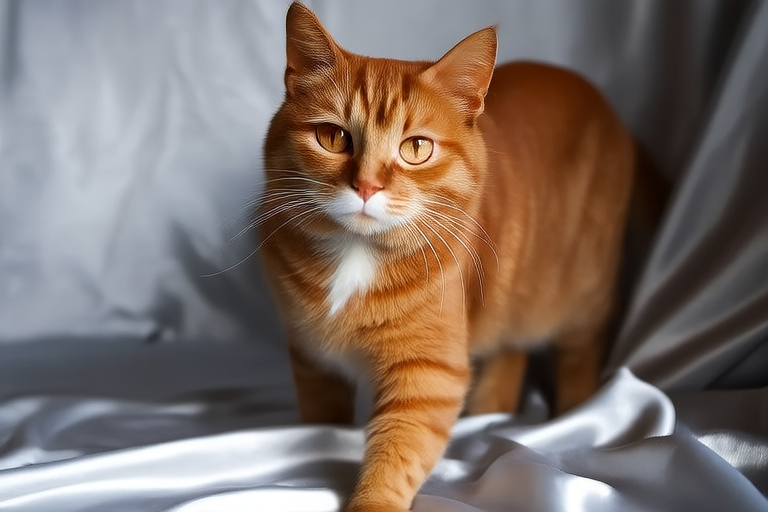
The Abyssinian cat is known for its sleek and muscular build, giving it a graceful and athletic appearance. Its large, almond-shaped eyes are usually green or gold, adding to its exotic allure. One of the most distinctive features of the Abyssinian cat is its coat, which has a unique ticked pattern. Each hair has bands of color, creating a warm, rich texture that sets the breed apart from others.
The Abyssinian cat comes in four recognized colors: ruddy (the most common), sorrel, blue, and fawn. Each color variation adds its own charm and beauty to the breed. The ruddy Abyssinian has a rich, reddish-brown coat with black ticking, while the sorrel has a lighter, more golden hue with cinnamon ticking. The blue Abyssinian boasts a cool gray coat with dark gray ticking, and the fawn variety has a soft, beige coat with light brown ticking.
Temperament, Intelligence, and Typical Behaviors
Abyssinian cats are known for their high energy levels and playful nature. They are curious, adventurous, and always on the lookout for something new to explore. Their intelligence makes them highly trainable, and they often enjoy learning tricks and playing interactive games with their owners. These cats are social creatures that thrive on human interaction and attention, making them excellent companions for families and individuals alike.
One of the most endearing qualities of the Abyssinian cat is its affectionate nature. They are known to be loyal and devoted to their owners, often following them around the house and seeking out their company. However, they can also be independent and may not tolerate being confined for long periods. Abyssinians are vocal cats, and their chirping and trilling sounds add to their charm and character.
Care Requirements
Dietary Needs
Abyssinian cats have specific dietary requirements to maintain their health and vitality. It’s important to provide them with a balanced diet that includes high-quality protein, essential fatty acids, and vitamins. Consult with your veterinarian to determine the best diet for your Abyssinian based on its age, weight, and overall health.
Ensure that fresh water is always available to your cat. Hydration is crucial for maintaining good kidney function and overall well-being. Avoid feeding your Abyssinian table scraps or human food, as these can lead to obesity and other health problems.
Grooming Practices
The Abyssinian cat’s short, fine coat requires minimal grooming, but regular brushing is still recommended to remove loose hairs and prevent matting. Use a soft-bristled brush or a rubber curry comb to gently brush your cat’s coat once or twice a week. Bathing is generally unnecessary unless your cat gets into something particularly messy.
In addition to coat care, pay attention to your Abyssinian’s dental hygiene. Regular toothbrushing with cat-safe toothpaste can help prevent dental diseases. Check your cat’s ears weekly for signs of infection or wax buildup, and clean them gently if necessary. Trim your cat’s nails every few weeks to prevent overgrowth and discomfort.
Exercise Recommendations
Abyssinian cats are highly active and require plenty of opportunities for exercise and play. Provide your cat with a variety of toys, such as feather wands, puzzle feeders, and interactive laser pointers, to keep it entertained and mentally stimulated. Set aside time each day for play sessions to strengthen the bond between you and your cat.
Create a stimulating environment by providing climbing structures, scratching posts, and hiding spots. These elements will encourage your Abyssinian to engage in natural behaviors and expend excess energy. Regular exercise is essential for maintaining your cat’s physical and mental health.
Common Health Issues
While Abyssinian cats are generally healthy, they are prone to certain genetic conditions. One of the most common issues is dental disease, which can lead to pain, tooth loss, and other complications. Regular dental care, as mentioned earlier, can help prevent or manage this condition.
Another concern for Abyssinian cats is renal amyloidosis, a condition where abnormal proteins accumulate in the kidneys, leading to kidney failure. Early detection and management of this condition can improve your cat’s quality of life. Other potential health issues include hypertrophic cardiomyopathy, a type of heart disease, and patellar luxation, a knee joint disorder.
To prevent or manage these health issues, ensure that your Abyssinian receives regular veterinary check-ups and appropriate vaccinations. Genetic testing can also be beneficial for identifying potential hereditary conditions. A healthy diet, proper grooming, and regular exercise contribute to your cat’s overall well-being.
Choosing the Right Abyssinian Cat as a Pet
When considering adopting an Abyssinian cat, it’s important to choose a reputable breeder who prioritizes the health and welfare of their cats. Look for breeders who participate in health screenings and genetic testing programs. Research the breeder’s reputation and visit their facility if possible to ensure that the cats are raised in a clean, comfortable environment.
Consider your lifestyle and living situation to determine whether an Abyssinian cat is the right fit for you. These cats require a lot of attention and stimulation, so they may not be suitable for households where they will be left alone for extended periods. If you have children or other pets, make sure they are properly introduced and supervised during interactions.
Tips for New Owners
Once you bring your new Abyssinian cat home, take some time to acclimate it to its new environment. Create a safe and comfortable space with familiar items, such as bedding and toys. Gradually introduce your cat to other members of the household, allowing it to explore at its own pace.
Establish a routine for feeding, grooming, and playtime to help your cat feel secure and loved. Be patient and understanding as your cat adjusts to its new surroundings. Remember that every cat is unique, and it may take some time for your Abyssinian to fully settle in.
Finally, don’t hesitate to seek advice from your veterinarian or experienced cat owners if you have any questions or concerns about your new pet. The Abyssinian cat is a wonderful companion, and with proper care and attention, you’ll enjoy many years of companionship and joy.
