Siamese Cats: A Comprehensive Guide
Welcome to an in-depth exploration of the Siamese cat, one of the most intriguing and captivating feline breeds. This article will delve into the unique behaviors, traits, and historical background of Siamese cats, offering valuable insights for both new and experienced cat owners. We’ll examine their vocal nature, intelligence, social tendencies, and interactions with humans, dispelling common misconceptions along the way.
The History of Siamese Cats
The Siamese cat has a rich history that dates back several centuries. Originating from Thailand, formerly known as Siam, these elegant creatures were once revered by royalty and Buddhist monks. According to legend, Siamese cats guarded sacred temples and protected valuable objects by wrapping their tails around them. In the late 19th century, Siamese cats made their way to Europe and North America, quickly gaining popularity among cat enthusiasts.
Vocal Nature and Communication Styles
One of the most distinctive traits of Siamese cats is their vocal nature. They are known for being very talkative, often engaging in lengthy conversations with their human companions. This behavior stems from their desire for interaction and attention. Dr. Nicholas Dodman, a renowned animal behaviorist, explains that Siamese cats have a strong need for social engagement, which is why they communicate so frequently. Their vocalizations can range from soft chirps to loud meows, depending on the situation. Owners should be prepared for a lively and communicative relationship with their Siamese cat.
Intelligence and Social Tendencies
Siamese cats are highly intelligent and possess a curious nature that drives them to explore their surroundings. They thrive in environments where they can engage in mental stimulation and play. Their intelligence also makes them more adaptable to changes in their routine, but they may require time to adjust to new situations. Dr. Jean Donaldson, author of “The Culture Clash,” emphasizes the importance of providing mental challenges for Siamese cats to prevent boredom and destructive behavior. These cats form strong bonds with their owners and often seek out companionship, making them excellent candidates for households with other pets or children.
Interactions with Humans
Siamese cats have a unique way of interacting with humans, which sets them apart from many other breeds. They are known for their loyalty and affectionate nature, often forming close bonds with their owners. This loyalty is rooted in their social tendencies and desire for companionship. Siamese cats are also highly observant and may respond to subtle cues from their humans. Dr. Gary Landsberg, a veterinarian specializing in animal behavior, suggests that owners should take advantage of this trait by using positive reinforcement techniques during training sessions. This will help strengthen the bond between owner and pet while promoting good behavior.
Misconceptions About Siamese Cats
Despite their popularity, there are several common misconceptions about Siamese cats that can lead to misunderstandings between owners and their pets. One prevalent myth is that all Siamese cats are aggressive. While some individuals may exhibit defensive behaviors when threatened, the vast majority are gentle and affectionate. Another misconception is that Siamese cats are difficult to train. However, with proper guidance and patience, Siamese cats can learn various tricks and commands. It’s important for owners to approach these myths with skepticism and rely on reputable sources for accurate information.
Physical Characteristics and Their Influence on Behavior
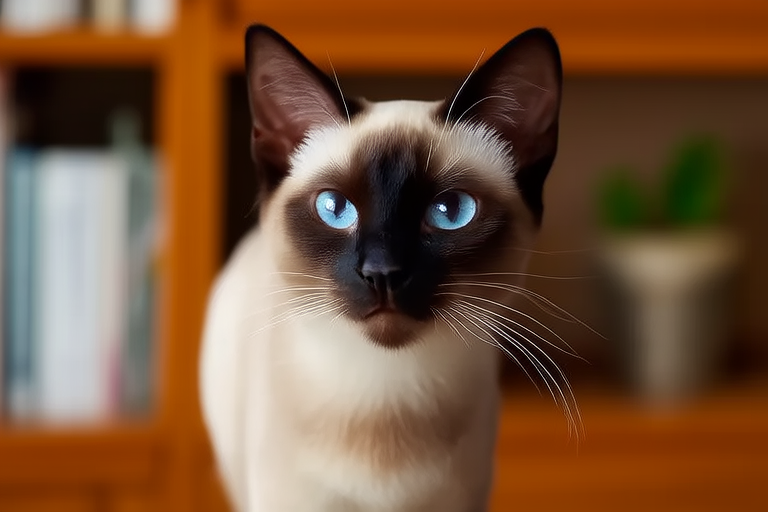
The striking appearance of Siamese cats is characterized by their sleek bodies, almond-shaped blue eyes, and point coloration. The contrast between their light-colored body and darker extremities, such as ears, paws, tail, and face, is known as “points.” This coloration is due to a temperature-sensitive enzyme that produces melanin in cooler areas of the body. The unique physical characteristics of Siamese cats can influence their behavior. For example, their slender build and agile movements make them excellent climbers and jumpers, while their large ears enhance their ability to hear even the faintest sounds.
Expert Opinions on Siamese Cat Psychology
Experts in animal behavior have conducted numerous studies to gain insight into the psychology of Siamese cats. Dr. Temple Grandin, an animal scientist and autism advocate, has emphasized the importance of understanding a cat’s sensory experiences to improve its welfare. Siamese cats, with their heightened senses, may react more strongly to environmental stimuli than other breeds. This sensitivity can manifest in various ways, including increased anxiety or fear responses. Owners should be mindful of potential triggers and create a calm and secure environment for their pets.
Tips for Owners of Siamese Cats
To better understand and care for your Siamese cat, consider implementing the following tips:
- Create a stimulating environment: Provide toys, scratching posts, and interactive games to keep your cat mentally engaged.
- Establish a routine: Siamese cats thrive on consistency, so try to maintain a regular schedule for feeding, playtime, and grooming.
- Encourage socialization: Expose your cat to different people, animals, and environments to promote confidence and adaptability.
- Promote positive reinforcement: Use treats, praise, and affection to reward good behavior and discourage unwanted actions.
- Seek professional advice: Consult with a veterinarian or animal behaviorist if you encounter any behavioral issues or concerns.
By following these guidelines, you can ensure a happy and healthy life for your Siamese cat. Remember that each cat is unique, so it’s essential to tailor your approach based on individual needs and preferences.
Conclusion
Siamese cats are truly remarkable creatures with a rich history, unique behaviors, and endearing personalities. Their vocal nature, intelligence, and social tendencies make them exceptional companions for those willing to invest time and effort into building a strong bond. By understanding the factors that influence their behavior and addressing common misconceptions, owners can create a loving and supportive environment for their Siamese cats. With proper care and attention, these beautiful felines will bring joy and companionship to your home for years to come.
