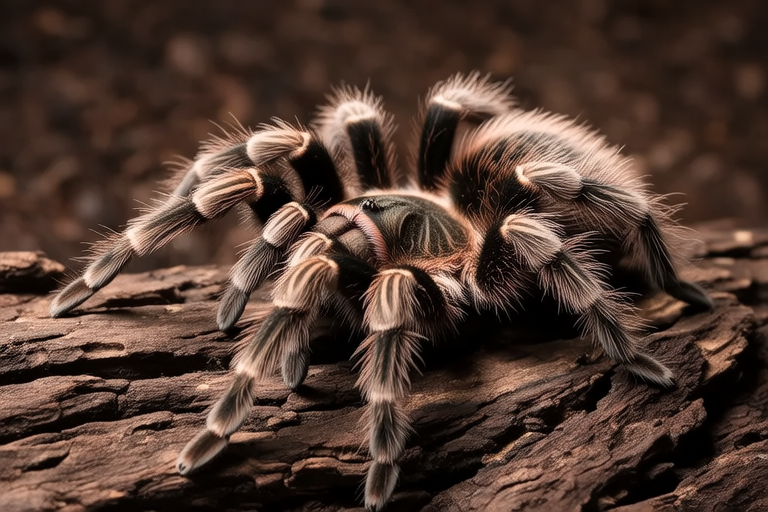
How to Care for a Tarantula: Expert Tips You Need to Know
Welcome to your comprehensive guide on how to care for a tarantula! Whether you’re a seasoned arachnid enthusiast or a curious newcomer, this article will provide you with all the expert tips you need to ensure your tarantula leads a healthy, happy life. From setting up the perfect habitat to understanding dietary needs and debunking common myths, we’ll cover everything you need to know.
Tarantula Habitat Setup
The first step in caring for your tarantula is creating a comfortable and safe environment. A well-designed habitat mimics the natural conditions that tarantulas thrive in, ensuring they feel secure and at home.
Housing: Choose an enclosure that is tall enough to allow your tarantula to climb and burrow if necessary. Glass aquariums or plastic containers with secure lids work well. The size of the enclosure depends on the species; larger tarantulas require more space.
Substrate: Provide a layer of substrate at least three times the depth of your tarantula’s body length. Suitable substrates include coconut fiber, peat moss, or a mixture of sand and soil. This substrate allows your tarantula to dig and create burrows, which is essential for their mental and physical well-being.
Decorations: Add branches, cork bark, or artificial plants to offer climbing opportunities and hiding spots. These decorations mimic the natural environment of tarantulas and help reduce stress.
Temperature and Humidity Requirements
Understanding and maintaining the right temperature and humidity levels is crucial for your tarantula’s health. Each species has different requirements, so research the specific needs of your tarantula before setting up its habitat.
Temperature: Most tarantulas prefer temperatures between 75°F and 85°F (24°C to 29°C). Use a thermometer to monitor the temperature inside the enclosure and adjust as needed. Heating pads placed under one side of the tank can be used to maintain consistent warmth.
Humidity: Humidity levels should be kept between 60% and 80%. Proper humidity helps prevent dehydration and respiratory issues. Mist the enclosure lightly every few days to increase moisture levels. Ensure there is adequate ventilation to prevent mold growth.
Appropriate Diet
Feeding your tarantula a balanced diet is essential for its growth and longevity. Tarantulas are carnivorous and primarily feed on insects. Here are some feeding guidelines:
Prey Size: Offer prey items that are no larger than half the width of your tarantula’s abdomen. This ensures the tarantula can consume its meal without difficulty.
Frequent Feeding: Feed juveniles once a week, while adults can be fed less frequently, typically every two to four weeks. Overfeeding can lead to obesity and other health problems.
Variety: While crickets are a staple food, supplement their diet with other insects such as dubia roaches, mealworms, and waxworms. This variety provides a range of nutrients beneficial for your tarantula.
Handling Techniques
While tarantulas can make fascinating pets, it’s important to handle them with care. Improper handling can cause stress and injury to both you and your pet.
Gentle Handling: Always support your tarantula by gently scooping it from underneath. Avoid grabbing or pinching its legs or body. Some species, like the Mexican red knee, are more tolerant of handling, while others may be more sensitive.
Frequency: Limit handling to only when necessary. Frequent handling can stress your tarantula and disrupt its natural behavior. If you must handle your tarantula, do so during daylight hours, as they are generally more active then.
Observation: Before handling, observe your tarantula for signs of aggression or distress. If it’s rearing back or flicking urticating hairs, it’s best to leave it alone.
Health Care Basics
Regular health checks and proper care are vital to keeping your tarantula in top condition. Early detection of health issues can prevent serious complications.
Regular Checkups: Inspect your tarantula weekly for any signs of illness or injury. Look for changes in appetite, activity level, or appearance. Consult a veterinarian specializing in exotic animals if you notice any concerning symptoms.
Molting: Tarantulas molt throughout their lives, shedding their exoskeleton to grow. During molting, your tarantula may become lethargic and refuse food. Ensure the humidity is slightly higher during this period. Avoid disturbing your tarantula during and immediately after molting.
Hygiene: Clean the enclosure regularly to prevent the buildup of harmful bacteria. Remove uneaten prey and waste promptly. Replace the substrate every few months or sooner if it becomes soiled.
Common Myths Debunked
There are many misconceptions about tarantulas that can lead to improper care. Let’s address some of these myths:
Myth 1: All Tarantulas Are Highly Venomous. While tarantulas have venom, most species pose little threat to humans. Their venom is typically no more dangerous than a bee sting. However, always exercise caution and respect.
Myth 2: Tarantulas Are Aggressive Creatures. In reality, tarantulas are shy and prefer to avoid confrontation. They rely on camouflage and speed to escape predators rather than attacking humans.
Myth 3: Tarantulas Require Minimal Attention. Although tarantulas are relatively low-maintenance pets, they still require attention to their specific needs. Neglecting their habitat, diet, and health can lead to poor quality of life and shortened lifespan.
By understanding and addressing these myths, you can provide the best possible care for your tarantula.
Conclusion
Caring for a tarantula is a rewarding experience that requires dedication and knowledge. By setting up an appropriate habitat, providing the right diet, and handling your tarantula with care, you can ensure its health and happiness. Remember, each tarantula species has unique needs, so always research your specific pet thoroughly. With the right approach, you’ll enjoy a long and fulfilling relationship with your eight-legged friend.
