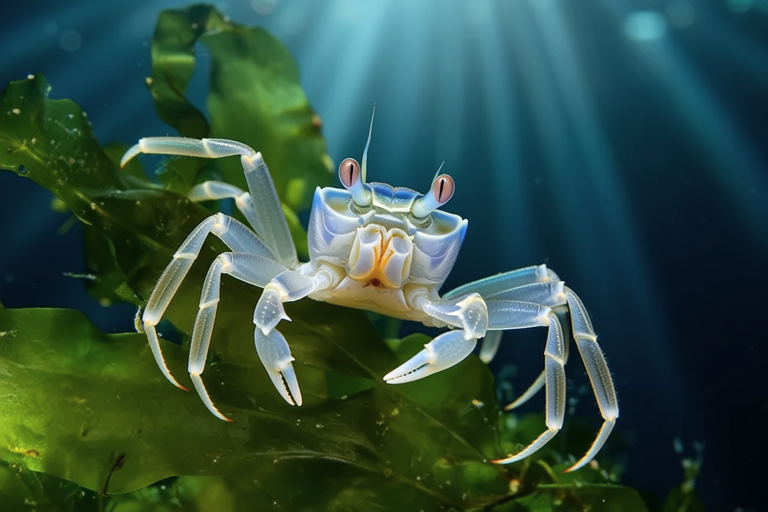
Meet the Tiny Pea Crab: Nature’s Hidden Gem
In the vast and mysterious world of marine life, there exists a diminutive but remarkable inhabitant known as the pea crab. Despite its small size, this crab plays a crucial role in maintaining the balance of its ecosystem. This article delves into the fascinating world of the pea crab, exploring its unique characteristics, habitat, diet, behavior, and its significance in marine biodiversity.
The Unique Characteristics of Pea Crabs
Pea crabs, belonging to the family Pinnotheridae, are among the smallest crabs in the world. Their name is derived from their size, which typically ranges between 3 and 15 millimeters in length, making them roughly the size of a pea. They possess a hard, oval-shaped carapace that provides protection against predators. Unlike many other crab species, pea crabs lack claws, which may seem like a disadvantage, but they have adapted to thrive in their specific ecological niche.
One of the most striking features of pea crabs is their coloration. Depending on the species, they can range from translucent white to various shades of brown and green. This camouflage helps them blend seamlessly into their environment, making them nearly invisible to both prey and predators. The color also varies based on the host they reside in, often matching the color of their host’s tissue. This adaptation is one of the reasons why pea crabs are so well-suited to their parasitic lifestyle.
Habitat and Distribution
Pea crabs are found in coastal waters around the globe, from the chilly waters of the Arctic to the warm tropical seas. They prefer shallow, brackish waters and are often found in estuaries, mangroves, and coral reefs. These habitats provide ample opportunities for them to find suitable hosts, such as mollusks like oysters, clams, and mussels.
The distribution of pea crabs is closely tied to the availability of their hosts. In areas where these mollusks thrive, pea crabs are likely to be abundant. For instance, regions rich in shellfish beds, such as the Chesapeake Bay in the United States, are ideal habitats for pea crabs. However, due to human activities like pollution and overfishing, some of these habitats are under threat, affecting the pea crab population.
Diet and Feeding Habits
Unlike many other crab species that are scavengers or predators, pea crabs are primarily parasitic. They live inside the mantle cavity of their host mollusk, where they feed on the soft tissues of the host. This feeding behavior does not usually kill the host, but it can weaken it over time. The relationship between the pea crab and its host is complex and varies depending on the species involved.
Some pea crab species are commensal, meaning they benefit from the host without causing harm. Others are parasitic, where they feed on the host’s tissue, potentially reducing the host’s reproductive success or lifespan. Interestingly, some studies suggest that the presence of pea crabs can actually improve water quality by promoting the growth of beneficial bacteria within the host. This symbiotic relationship highlights the intricate balance of marine ecosystems.
Behavior and Adaptations
Pea crabs exhibit several fascinating behaviors and adaptations that set them apart from other crab species. One of the most notable is their ability to manipulate their host. Female pea crabs, in particular, have evolved to lay their eggs inside the host’s mantle cavity. This ensures that the larvae have immediate access to food and protection once they hatch. The larvae then settle on nearby mollusks, continuing the cycle.
Another interesting adaptation is their ability to synchronize their molting cycles with those of their host. This timing ensures that the pea crab is not exposed when it is vulnerable during the molting process. Additionally, pea crabs have developed specialized mouthparts that allow them to efficiently feed on the soft tissues of their host without damaging the delicate structures.
Compared to larger crab species, pea crabs are much less aggressive and territorial. They do not engage in fights for territory or mates, as their small size and parasitic lifestyle eliminate the need for such behaviors. Instead, they focus on finding a suitable host and establishing a stable parasitic relationship.
The Role of Pea Crabs in Their Ecosystem
Despite their small size, pea crabs play a vital role in their ecosystem. They serve as a link in the food chain, providing a source of nutrition for larger predators like fish and birds. By feeding on the soft tissues of their hosts, they help regulate the population of these mollusks, preventing overpopulation that could lead to environmental imbalances.
Furthermore, the presence of pea crabs can influence the composition of bacterial communities within their hosts. This microbial interaction can have broader implications for water quality and the health of surrounding marine life. The symbiotic relationship between pea crabs and their hosts is a prime example of how even the tiniest creatures can have significant impacts on their environment.
The Importance of Conservation
As human activities continue to impact marine environments, the conservation of pea crabs becomes increasingly important. The destruction of habitats through pollution, overfishing, and climate change poses a significant threat to these tiny crabs and their hosts. Protecting the ecosystems that support pea crabs is essential for maintaining the overall health of marine biodiversity.
Conservation efforts should focus on preserving the habitats of both pea crabs and their hosts. This includes protecting coastal wetlands, reducing pollution, and implementing sustainable fishing practices. By ensuring the survival of pea crabs, we contribute to the preservation of the delicate balance in marine ecosystems.
Conclusion
The pea crab, though small, is a remarkable creature with unique characteristics, behaviors, and adaptations that make it a hidden gem in the world of marine life. Its parasitic lifestyle, synchronized molting, and role in maintaining ecological balance highlight the complexity and interconnectedness of marine ecosystems. As we continue to explore and understand these tiny crabs, it becomes clear that their conservation is crucial for the health of our oceans. By protecting the habitats of pea crabs and their hosts, we ensure the survival of these fascinating creatures and the ecosystems they inhabit.
