The Ultimate Guide to Living with a Chilean Rose Tarantula as Your Pet
Basic Facts About Chilean Rose Tarantulas
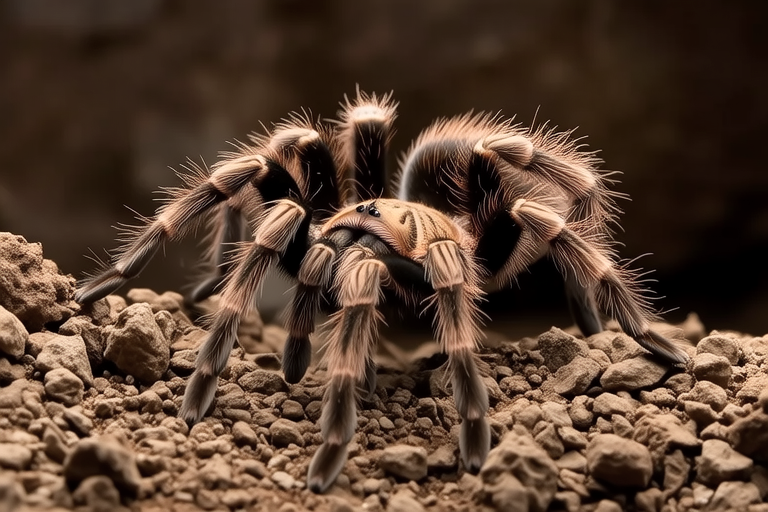
The Chilean Rose tarantula (Grammostola rosea) is one of the most popular pet tarantulas due to its docile nature and manageable size. Originating from the deserts of South America, they are known for their pinkish hue when young, which fades to a darker brown as they mature. These spiders are generally calm and easy to handle, making them ideal for beginners.
Chilean Rose tarantulas can live up to 20 years, providing a long-term companion for those who appreciate these arachnids. They are nocturnal, meaning they are most active at night, and spend their days hiding in burrows or under rocks. Understanding their natural behavior helps in creating an appropriate living environment for them.
Housing Requirements
A suitable enclosure is crucial for your tarantula’s well-being. A 10-gallon tank is adequate for an adult Chilean Rose, offering enough space without being too large. The tank should have a secure lid to prevent escapes. Substrate is essential; coconut fiber, bark chips, or vermiculite work well, allowing for burrowing and maintaining humidity levels.
Temperature and humidity control are vital. Maintain temperatures between 78°F and 85°F (26°C to 29°C), with a relative humidity of around 60-70%. Use a thermometer and hygrometer to monitor these conditions. Providing a shallow water dish helps maintain humidity levels.
Decorations like cork bark or branches offer climbing opportunities and hiding spots. Ensure there are no sharp edges that could harm your tarantula. A layer of substrate several inches deep allows them to dig and feel secure.
Dietary Needs
Chilean Rose tarantulas are carnivorous and require a varied diet to thrive. Feed them crickets, mealworms, and occasionally dubia roaches. Juveniles should be fed every 3-4 days, while adults can be fed weekly. Gut loading feeder insects with nutritious food enhances the nutritional value of the meal.
Ensure prey items are appropriately sized; their meals should be no larger than half the width of the spider’s abdomen. Overfeeding can lead to obesity, so monitor their eating habits closely. Remove uneaten prey after a day to avoid contamination.
Handling and Interaction Tips
Chilean Rose tarantulas are generally docile but should be handled carefully. Always support their entire body when picking them up to avoid stressing the spider. Gently scoop them from underneath, ensuring you don’t squeeze or drop them.
Interaction should be minimal to avoid stressing the tarantula. They prefer solitude and may show defensive behaviors like flicking urticating hairs if threatened. Respect their need for privacy and limit handling sessions to brief encounters.
Common Health Issues
Regular observation helps catch potential health issues early. Signs of illness include lethargy, refusal to eat, unusual moulting, or changes in behavior. Common problems include dehydration, moulting complications, and infections.
Maintain optimal environmental conditions to prevent issues. Ensure proper humidity and temperature to aid in successful moults. Clean the enclosure regularly to reduce the risk of bacterial growth.
Unique Behaviors and Their Interpretation
Understanding your tarantula’s behavior is key to providing proper care. They may display aggression by rearing up, showing their fangs, or flicking hairs when threatened. Defensive behaviors are normal and should not be taken personally. However, prolonged aggression might indicate stress or discomfort.
Observing feeding patterns, activity levels, and moulting cycles provides insight into your tarantula’s health and happiness. Note any changes in behavior and address them promptly.
Ensuring a Safe and Comfortable Environment
Create a secure and stimulating environment. Ensure the enclosure is escape-proof and provides ample hiding spots. Regularly check for signs of wear and tear on the tank and substrate.
Provide a balanced diet and clean water. Regularly inspect the enclosure for cleanliness and replace substrate as needed. This not only maintains hygiene but also promotes a stress-free living environment.
Responsibilities and Commitment
Caring for a Chilean Rose tarantula requires dedication and commitment. Understand the time and effort involved in maintaining their habitat and meeting their dietary needs. Be prepared for a long-term commitment, as these spiders can live up to two decades.
Research thoroughly before acquiring a tarantula. Ensure you have the necessary resources and knowledge to provide a suitable home. Responsible ownership ensures the well-being of your pet and prevents unnecessary suffering.
