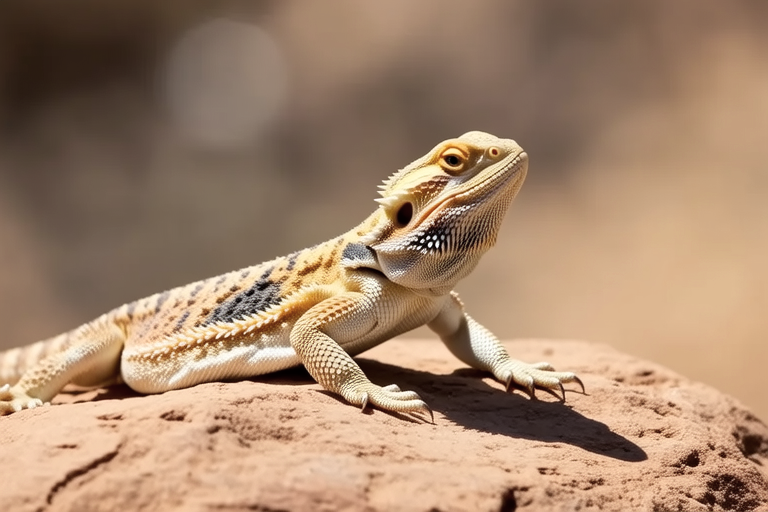
Debunking Common Myths About Bearded Dragons
Bearded dragons are one of the most popular reptilian pets worldwide. These charismatic creatures, native to Australia, have captured the hearts of pet lovers due to their docile nature, striking appearance, and relatively easy care requirements. Their popularity has skyrocketed, making them a favorite among first-time reptile owners and seasoned herpetologists alike. However, with this surge in popularity comes a plethora of misinformation that can lead to improper care and misunderstanding of these fascinating animals. In this article, we will explore and debunk some of the most common myths surrounding bearded dragons, providing you with accurate information and practical care tips.
Myth 1: Bearded Dragons Require Minimal Space
One of the most pervasive myths about bearded dragons is that they need very little space. While it’s true that bearded dragons can be relatively small, especially when young, they still require ample room to move around, bask, and stretch out fully. The recommended minimum enclosure size for a single adult bearded dragon is approximately 48 inches long, 24 inches wide, and 24 inches tall. This ensures that your pet has enough space to thermoregulate effectively and engage in natural behaviors like climbing and basking.
Failing to provide adequate space can lead to stress, obesity, and behavioral issues. It’s important to invest in a suitable habitat from the start to ensure your bearded dragon remains healthy and happy. Always remember that the enclosure should mimic their natural environment as closely as possible, including appropriate lighting and temperature gradients.
Myth 2: Bearded Dragons Can Survive on a Diet of Crickets Alone
Another misconception is that crickets alone can meet all the nutritional needs of a bearded dragon. While crickets are a good source of protein, they lack essential vitamins and minerals necessary for optimal health. A balanced diet for bearded dragons includes a variety of insects such as dubia roaches, silkworms, and hornworms, along with leafy greens and vegetables.
The key to feeding bearded dragons properly lies in offering a diverse menu. Vegetables like collard greens, mustard greens, and squash should be provided regularly, while fruits should be given sparingly due to their high sugar content. Calcium supplements are also crucial to prevent metabolic bone disease (MBD), a condition caused by calcium deficiency. Proper supplementation should be done under the guidance of a veterinarian familiar with reptiles to avoid over-supplementation.
Myth 3: Bearded Dragons Do Not Need UVB Lighting
Many owners mistakenly believe that UVB lighting is unnecessary for indoor bearded dragons. However, UVB light is vital for the synthesis of vitamin D3, which helps the body absorb calcium. Without adequate exposure to UVB rays, bearded dragons can develop severe health issues, including metabolic bone disease and weakened immune systems.
It’s essential to use a high-quality UVB bulb specifically designed for reptiles, and replace it every six months or according to the manufacturer’s recommendations. Position the UVB light so that it covers approximately half of the enclosure, allowing your dragon to regulate its exposure based on its needs. Additionally, make sure the glass or mesh cover does not block the UVB rays; certain materials can significantly reduce the effectiveness of UVB lighting.
Myth 4: Bearded Dragons Hibernate Naturally Indoors
Some people think that bearded dragons go into brumation (a reptilian form of hibernation) naturally when kept indoors. While wild bearded dragons may brumate during cooler months, captive bearded dragons typically do not require or benefit from this process. In fact, inducing brumation in captivity can be harmful if not done correctly.
Brumation is influenced by environmental factors such as temperature and daylight hours. Indoor environments usually maintain consistent temperatures and lighting, which do not trigger the need for brumation. If your bearded dragon shows signs of lethargy or reduced appetite, it might be due to other underlying health issues rather than a natural desire to brumate. Consult with a veterinarian if you notice any unusual behavior in your pet.
Myth 5: Bearded Dragons Are Low-Maintenance Pets
Contrary to popular belief, bearded dragons require attentive care to thrive. While they are generally hardy reptiles, they still demand specific conditions to remain healthy. Regular monitoring of their environment, diet, and overall well-being is crucial. Neglecting their needs can lead to serious health problems.
Care involves maintaining the right temperature gradient, providing proper humidity levels, and ensuring clean water is always available. Additionally, handling your bearded dragon gently and frequently helps socialize them, making them more comfortable around humans. Regular veterinary check-ups are also important to catch potential health issues early.
Conclusion: Where to Find Reliable Information
In conclusion, understanding the true needs of bearded dragons is vital for their wellbeing. By dispelling these common myths, we hope to equip you with the knowledge necessary to provide the best care possible for your scaly friend. Remember, responsible pet ownership means staying informed and continuously learning about your pet’s unique requirements.
To learn more about bearded dragon care, consider consulting reputable books, attending workshops, or joining online forums dedicated to reptile enthusiasts. Vet visits are also invaluable resources for addressing specific concerns or questions regarding your pet’s health and happiness.
With the right approach and mindset, owning a bearded dragon can be an enriching experience filled with joy and discovery. Happy petting!
