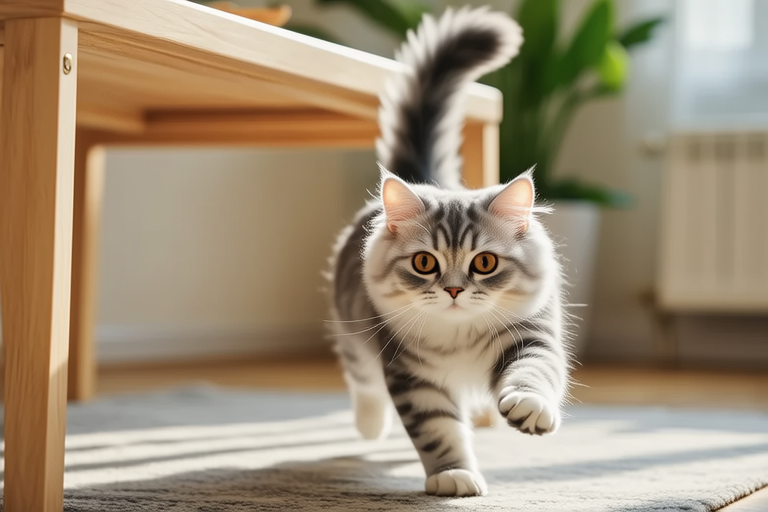
Living with a Munchkin Cat: Tips for First-Time Owners
Welcome to the delightful world of Munchkin cats! These charming felines are known for their unusually short legs, which give them a unique and endearing appearance. Despite their diminutive stature, Munchkins are full of energy and have distinct personalities that make them wonderful companions. This article will guide you through the essential aspects of living with a Munchkin cat, offering tips on their dietary needs, exercise, grooming, and creating a safe and comfortable home environment.
Introduction: The Unique Traits of Munchkin Cats
Munchkin cats are a relatively new breed, first recognized in the 1980s. Their most distinctive feature is their disproportionately short legs, which can range from slightly shorter than average to significantly reduced. While some people might be concerned about mobility issues, Munchkins are surprisingly agile and adapt well to their unique anatomy. They come in various coat colors and patterns, making each one a unique and beautiful addition to any household.
Despite their small stature, Munchkins are quite active and playful. Their short legs do not hinder their ability to jump or climb, though they may approach these activities differently than other breeds. Their curiosity and intelligence make them excellent problem-solvers, often finding creative ways to reach high places or open doors. With their friendly and social nature, Munchkins are perfect for families looking for a loving and interactive pet.
Dietary Needs
Proper nutrition is vital for maintaining your Munchkin cat’s health and vitality. As with all cats, Munchkins require a balanced diet rich in protein, vitamins, and minerals. High-quality commercial cat food, either wet or dry, is usually sufficient, but it’s important to choose products specifically formulated for adult cats. Look for ingredients like chicken, fish, or turkey as primary sources of protein.
Avoid feeding your Munchkin table scraps or human food, as these can lead to nutritional imbalances and obesity. Treats should be given sparingly and only as occasional rewards. Obesity is a significant concern for Munchkin cats, as excess weight can exacerbate joint problems and reduce their quality of life. Regular meals and controlled portions are key to keeping your cat healthy and fit.
Exercise Requirements
Munchkins are naturally curious and energetic, so providing ample opportunities for play and exploration is crucial. Interactive toys, such as feather wands or laser pointers, can help stimulate their minds and keep them active. Puzzle feeders that dispense treats when manipulated can also encourage mental engagement while satisfying their appetite.
While Munchkins may not leap as high as other cats, they still enjoy climbing and exploring. Providing vertical spaces like cat trees or shelves allows them to experience their surroundings from different angles. Ensure that these structures are stable and secure, especially if your Munchkin is particularly adventurous. Daily play sessions are recommended to keep your cat physically and mentally stimulated.
Common Health Issues
Despite their overall good health, Munchkin cats are prone to certain genetic conditions due to their unique leg structure. One of the most common concerns is spinal issues, which can arise from the abnormal curvature of their backs. Regular veterinary check-ups are essential to monitor their spine and address any potential problems early.
Another common issue is joint pain, particularly in older Munchkins. Providing soft bedding and cushioned resting areas can help alleviate discomfort. Weight management is also critical in preventing joint strain. Consult with your veterinarian about supplements or medications that could support joint health, such as glucosamine or omega-3 fatty acids.
Grooming Routines
Munchkins come in both long-haired and short-haired varieties, requiring different grooming regimens. Short-haired Munchkins generally need weekly brushing to remove loose hair and prevent matting. Long-haired Munchkins, on the other hand, require more frequent grooming, ideally twice a week, to keep their coats tangle-free and shiny.
Bathing is typically unnecessary unless your Munchkin gets particularly dirty or has skin issues. When bathing, use a gentle, pH-balanced shampoo and ensure thorough rinsing to avoid irritation. Nail trimming should be done every few weeks, and it’s best to start this routine early to accustom your cat to the process.
Creating a Safe and Comfortable Living Environment
Designing a home that accommodates your Munchkin’s unique needs is essential for their happiness and well-being. Choose furniture that is sturdy and low to the ground, as Munchkins may struggle with jumping onto high surfaces. Consider placing ramps or steps near elevated areas to allow easy access without straining their joints.
Home safety is paramount for Munchkin cats. Secure loose wires and cover electrical outlets to prevent accidents. Install childproof latches on cabinets and drawers to keep potentially harmful substances out of reach. Supervise your Munchkin when they are outside or in unfamiliar environments to ensure their safety.
Providing a cozy, quiet space for your Munchkin to retreat to is also important. A comfortable bed or blanket in a quiet corner of the house can offer them a sense of security. Ensure that your Munchkin has access to clean water at all times, and consider multiple litter boxes placed in easily accessible locations around your home.
The Rewarding Aspects of Owning a Munchkin Cat
Owning a Munchkin cat is a rewarding experience filled with love, laughter, and companionship. Their quirky personalities and affectionate nature make them cherished family members. Watching them navigate their world with grace and determination is endlessly entertaining.
As your Munchkin grows older, they will likely become even more attached to you, seeking comfort and attention whenever possible. Their loyalty and devotion are unmatched, making them ideal companions for individuals and families alike. By providing proper care, attention, and a nurturing environment, you can ensure that your Munchkin lives a happy and fulfilling life.
In conclusion, living with a Munchkin cat is a joyous adventure that brings countless smiles and heartwarming moments. With the right care and attention, your Munchkin will thrive and bring immense joy to your home. Embrace the unique challenges and rewards of owning a Munchkin, and prepare to be delighted by the antics and affection of your special feline friend.
