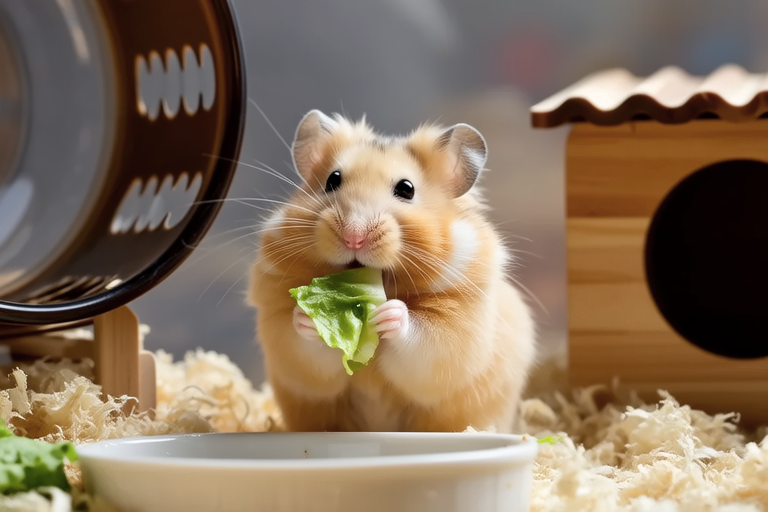
Top Tips for Keeping Your Golden Hamster Happy and Healthy
Welcome to your comprehensive guide on how to keep your golden hamster happy and healthy! Whether you’re a first-time hamster owner or have been caring for these delightful creatures for years, this guide will provide you with essential tips to ensure your golden hamster lives a long, joyful life.
Proper Diet
Golden hamsters require a balanced diet that includes high-quality commercial hamster food, fresh vegetables, and occasional fruits. Commercial hamster food provides necessary nutrients, including proteins, fats, carbohydrates, vitamins, and minerals. Avoid feeding them seeds and nuts as their primary diet, as they are too fatty and can lead to obesity.
Vegetables like carrots, broccoli, and spinach are excellent choices. Offer small amounts of fresh vegetables daily, but be sure to remove any uneaten portions after a few hours to prevent spoilage. Fruits such as apples, strawberries, and blueberries can be given as treats in moderation due to their sugar content.
Avoid feeding them human foods, especially those containing chocolate, caffeine, or alcohol, as these can be toxic. Always introduce new foods gradually to monitor for any adverse reactions.
Suitable Housing
Your golden hamster needs a spacious cage that allows plenty of room to move around. A wire cage with solid flooring is ideal, providing ventilation while preventing injuries from sharp edges. The cage should be at least 36 inches long, 18 inches wide, and 12 inches high. A wheel with a solid running surface is crucial for exercise, ensuring your hamster stays active and healthy.
In addition to the wheel, provide bedding made from paper-based materials, such as recycled paper or shredded newspaper, which is soft, absorbent, and safe. Avoid cedar and pine shavings, as they can cause respiratory issues. Include nesting material, such as tissue paper or cotton wool, for your hamster to burrow into and feel secure. Ensure the cage has multiple levels and hiding spots to mimic their natural habitat and reduce stress.
Place the cage in a quiet area away from direct sunlight and drafts. Ensure the temperature remains between 65°F and 75°F (18°C and 24°C). Avoid placing the cage near windows, radiators, or air conditioning units.
Exercise Needs
Golden hamsters are highly active animals and require regular exercise to maintain their physical and mental health. In addition to the wheel, provide tunnels, chew toys, and other objects for them to explore and play with. Rotate these items regularly to keep things interesting.
Supervise your hamster during playtime outside the cage to ensure their safety. A plastic ball designed specifically for hamsters can be used for supervised outdoor exploration. However, avoid leaving them unsupervised, as they may become overheated or injured.
Regular exercise helps prevent obesity and keeps your hamster’s muscles strong. It also reduces the risk of behavioral problems such as biting and aggression. Encourage your hamster to play and explore by offering new toys and rearranging their environment occasionally.
Grooming
Golden hamsters are generally self-grooming animals and require minimal grooming. However, it’s essential to check their fur and skin regularly for any signs of parasites, such as fleas or mites. If you notice any unusual lumps, bumps, or changes in their coat, consult a veterinarian immediately.
Bathe your hamster only when necessary, as over-bathing can strip their natural oils and lead to skin irritation. Use a gentle, pet-safe shampoo and warm water. Be sure to rinse thoroughly and dry completely to prevent chills.
Trimming nails is another important aspect of grooming. Use nail clippers designed for small pets, and trim only the tip of the nail to avoid cutting into the quick, which can cause bleeding and pain. If you’re unsure about trimming your hamster’s nails, ask a veterinarian for assistance.
Maintaining Hygiene
Keeping your golden hamster’s living environment clean is crucial for their health and well-being. Clean the cage and its accessories weekly, removing all bedding, toys, and food bowls. Wash the cage with warm, soapy water and rinse thoroughly. Allow it to dry completely before replacing the bedding and accessories.
Change the bedding daily to control odors and prevent the growth of harmful bacteria. Clean food and water dishes daily to prevent the buildup of mold and bacteria. Provide fresh, clean water daily in a spill-proof bottle or dish.
Regular cleaning not only maintains hygiene but also reduces the risk of respiratory infections and other illnesses. By keeping the cage clean, you create a comfortable and healthy environment for your hamster.
Signs of Illness
It’s essential to know the signs of illness in your golden hamster to seek veterinary care promptly if needed. Common symptoms include lethargy, loss of appetite, diarrhea, sneezing, wheezing, and discharge from the eyes or nose. Changes in behavior, such as increased aggression or hiding more than usual, can also indicate illness.
If you notice any of these signs, isolate your hamster from other pets and contact a veterinarian immediately. Early diagnosis and treatment can make a significant difference in your hamster’s recovery. Regular visits to the vet for check-ups can help catch potential issues before they become serious.
Vaccinations are not typically required for hamsters, but regular check-ups are still important. Discuss any concerns with your veterinarian to ensure your hamster receives the best possible care.
Tips for Social Interaction
Golden hamsters are solitary animals and prefer living alone. Introducing two hamsters, even if they come from the same litter, can lead to fighting and stress. Providing enrichment through toys and activities is the best way to keep your hamster mentally stimulated and happy.
Spend time handling your hamster gently and regularly to build trust. Start by allowing them to sniff your hand and gradually work up to picking them up. Always support their body when holding them to prevent injury.
Hamsters are nocturnal animals and are most active during the evening and night. Schedule playtime and handling sessions during these hours to bond with your pet and provide them with the attention they need.
In conclusion, by following these top tips, you’ll ensure your golden hamster enjoys a happy and healthy life. Remember, each hamster is unique, and what works for one may not work for another. Pay close attention to your pet’s individual needs and adjust your care accordingly. With love, patience, and proper care, you’ll form a strong bond with your golden hamster and enjoy many years of companionship.
