Hermit Crabs: The Ultimate Guide for First-Time Owners
Welcome to the wonderful world of hermit crabs! These fascinating creatures make delightful pets that are easy to care for once you understand their unique needs. This comprehensive guide will walk you through everything you need to know about hermit crabs, from setting up their habitat to understanding their anatomy and ensuring they stay healthy.
Understanding Hermit Crab Anatomy
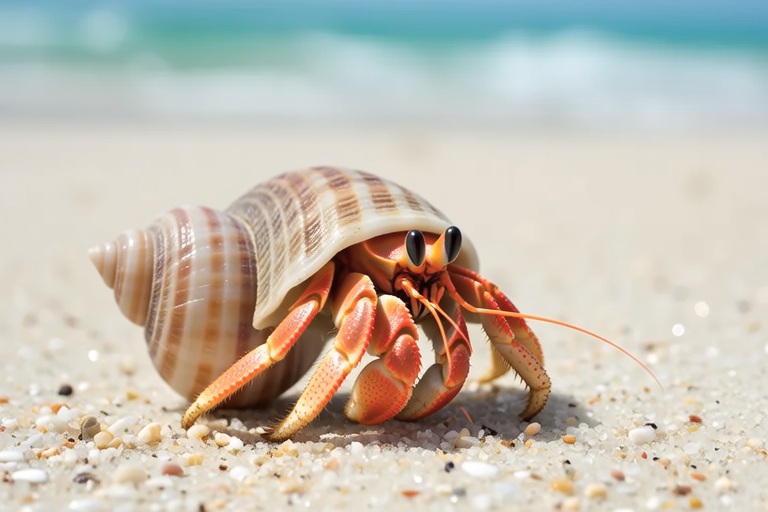
Hermit crabs have several distinct body parts that play crucial roles in their survival. They possess a soft, vulnerable abdomen that they protect by occupying discarded snail shells. Their front claws are used for defense and climbing, while their back legs help them move swiftly across surfaces. Additionally, hermit crabs breathe through modified gills located near their rear appendages.
Habitat Setup: Creating a Comfortable Home for Your Hermit Crabs
Substrate
Selecting the right substrate is essential for your hermit crab’s comfort and well-being. A mix of sand, coconut fiber, and crushed coral provides an ideal environment. Avoid using fine sands that can clog their gills, as this could lead to suffocation.
Water Dish
Your hermit crabs require both fresh and saltwater dishes. Place these dishes at opposite ends of the tank to prevent contamination. Refresh the water daily to maintain cleanliness and ensure it remains free of harmful bacteria.
Decorations
Incorporate various elements into your hermit crab’s enclosure to stimulate exploration and provide hiding spots. Consider adding driftwood, rocks, and artificial plants. Ensure all items are securely placed to prevent accidents.
Diet and Feeding
Hermit crabs are omnivorous scavengers with varied dietary preferences. Offer them a balanced diet comprising fruits, vegetables, proteins, and occasional treats like fish flakes or pellets designed specifically for hermit crabs. Feed them twice weekly, removing any uneaten food promptly to preserve hygiene.
Health Care Basics
Maintaining optimal humidity levels within the enclosure is vital for preventing respiratory issues. Aim for a relative humidity between 70% and 80%. Regularly monitor temperature and adjust accordingly; hermit crabs thrive best in temperatures ranging from 75°F to 85°F.
Common Myths About Hermit Crabs
One prevalent misconception is that hermit crabs only need a small amount of space. In reality, they require ample room to explore and exercise. Another myth suggests that hermit crabs do not require companionship, but they actually enjoy social interaction with other hermit crabs.
Tips for Handling and Interacting with Hermit Crabs
When handling your hermit crabs, always support their entire body rather than grabbing them by their legs or antennae. Gently place them back into their enclosure after each session to minimize stress. Encourage gentle playtime to foster bonding and create positive associations.
Conclusion
Caring for hermit crabs can be incredibly rewarding when done correctly. By following this guide, you’ll set yourself up for success in providing your hermit crabs with a happy and healthy life. Remember to regularly observe their behavior and consult with experts if needed. Enjoy watching your hermit crabs grow and thrive in their new home!
