Maine Coon vs Other Cats: Why This Breed Stands Out
Welcome to a comprehensive guide that delves into the world of the Maine Coon, one of the largest and most beloved cat breeds. This article will compare the Maine Coon with other popular cat breeds, highlighting what makes this breed stand out. We’ll explore its history, unique physical attributes, temperament, grooming needs, and health considerations. By the end of this read, you’ll have a better understanding of why the Maine Coon is a standout choice for many pet lovers.
Historical Background of the Maine Coon
The Maine Coon’s origins are somewhat shrouded in mystery. Some believe they descend from longhaired cats brought to America by Vikings, while others think they originated from domestic cats interbreeding with raccoons (a myth that has been debunked). What we know for sure is that the Maine Coon developed in New England, adapting to harsh winters and cold climates. They were valued as working cats, adept at catching rodents and pests. Over time, their popularity grew, and they became cherished pets known for their intelligence, friendliness, and striking appearance.
Physical Characteristics: Size and Appearance
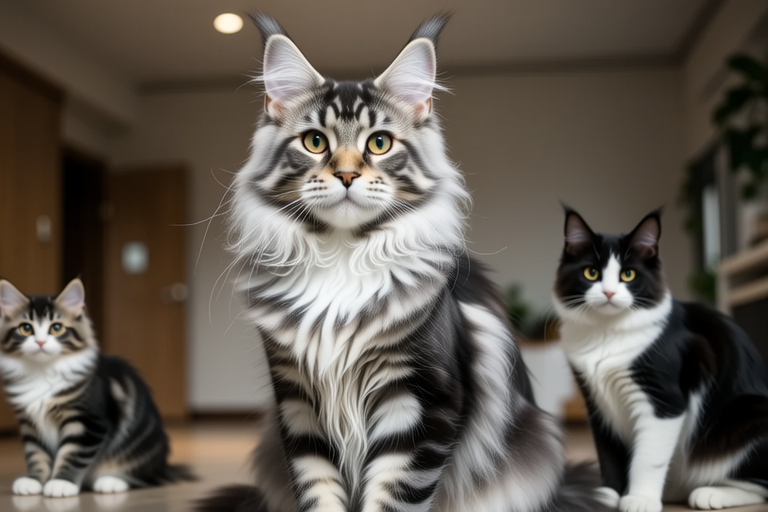
One of the most noticeable features of the Maine Coon is its large size. These cats can reach weights of up to 18 pounds, making them one of the biggest domesticated cat breeds. Their bodies are muscular and well-proportioned, with broad chests and sturdy legs. Their tails are long and bushy, often resembling a lion’s tail. Maine Coons have tufted ears and feet, which help protect them from the cold. Their coats are thick and water-resistant, featuring a double layer that sheds dirt easily. The fur comes in various colors and patterns, though brown tabby is the most common.
Compare this to other breeds. For instance, the Siamese cat is slender and elegant, with a short coat that requires minimal grooming. On the other hand, the Persian cat is known for its luxurious, long coat but lacks the Maine Coon’s robust build. While both the Siamese and Persian have distinct appearances, neither matches the Maine Coon’s imposing yet graceful presence.
Temperament: Friendly and Intelligent
Maine Coons are renowned for their gentle and affectionate nature. They are social creatures who enjoy interacting with their human companions. Unlike some other breeds, they are not shy around strangers and can be quite playful. Their intelligence makes them easy to train; they can learn tricks and respond well to positive reinforcement. Maine Coons are also patient and tolerant, making them ideal family pets, especially with children. They get along well with other animals, including dogs.
In contrast, Siamese cats are known for being vocal and demanding attention. They can become clingy if left alone for extended periods. Persian cats tend to be more aloof and independent, preferring quiet environments. While each breed has its charm, the Maine Coon’s balanced personality sets it apart. It offers the perfect blend of sociability and independence, ensuring a harmonious relationship with its owner.
Grooming Needs: Minimal Effort, Maximum Reward
Despite their thick coats, Maine Coons require less grooming than one might expect. Their self-cleaning habits mean they shed dirt easily, reducing the need for frequent baths. Regular brushing, however, helps prevent matting and keeps their fur healthy. Owners should aim to brush their Maine Coon at least once a week. This grooming routine not only maintains the coat’s condition but also strengthens the bond between the cat and its owner.
Siamese cats have short, fine coats that require minimal grooming. However, their sleekness can sometimes lead to skin issues if not properly cared for. Persian cats, with their luxurious locks, need daily brushing to prevent tangles and mats. The Maine Coon strikes a balance, offering a manageable grooming schedule without sacrificing coat quality.
Health Considerations: Vigilance and Longevity
Like all breeds, Maine Coons are susceptible to certain health issues. One of the most significant concerns is hip dysplasia, a condition where the hip joint doesn’t fit snugly into the socket. This can lead to arthritis and mobility problems. Regular check-ups with a veterinarian are essential to monitor your Maine Coon’s health and catch any issues early. Maine Coons generally live between 12 and 15 years, a lifespan that can be extended with proper care.
Siamese cats are prone to respiratory infections due to their flat faces, which can cause breathing difficulties. Persian cats often suffer from dental problems and polycystic kidney disease. While no breed is entirely free from health risks, the Maine Coon’s robust constitution means it is less likely to develop severe genetic disorders compared to some other breeds.
Adapting to Different Living Environments
Maine Coons adapt well to various living conditions. They thrive in spacious homes with plenty of room to explore, but they can also adjust to smaller apartments as long as they have access to outdoor spaces or climbing structures indoors. Their love for play ensures they remain active regardless of the environment. Providing toys and scratching posts encourages exercise and mental stimulation.
Siamese cats prefer quieter, more structured environments. Their vocal nature can be overwhelming in noisy settings. Persian cats often do best in calm households where they can relax without disturbance. The Maine Coon’s versatility allows it to flourish in diverse situations, making it an excellent choice for families with varying lifestyles.
Choosing Between Breeds: Practical Advice
If you’re considering adopting a Maine Coon, here are some tips to ensure a smooth transition:
- Research extensively: Learn about the breed’s specific needs and characteristics before bringing one home.
- Find a reputable breeder: Look for breeders who prioritize the health and well-being of their cats.
- Prepare your home: Create a comfortable space with cozy beds, scratching posts, and toys.
- Introduce gradually: Allow your new Maine Coon to acclimate slowly to its surroundings and family members.
- Establish routines: Set regular feeding times and grooming schedules to promote consistency.
Whether you’re a seasoned cat owner or a first-time pet parent, the Maine Coon offers a rewarding companionship. Its unique combination of size, temperament, grooming needs, and health considerations makes it a standout breed among others. By understanding what sets the Maine Coon apart, you can make an informed decision about whether this majestic feline is right for you.
Conclusion
The Maine Coon is a breed that captivates hearts and minds with its striking appearance, gentle demeanor, and adaptable nature. From its storied past to its present-day appeal, this breed continues to enchant cat lovers worldwide. Whether you’re drawn to its impressive size, charming personality, or low-maintenance grooming requirements, there’s no denying the Maine Coon’s special place in the world of felines. As you embark on the journey of owning a Maine Coon, remember to provide love, care, and attention to ensure a happy, healthy life for your new furry friend.
