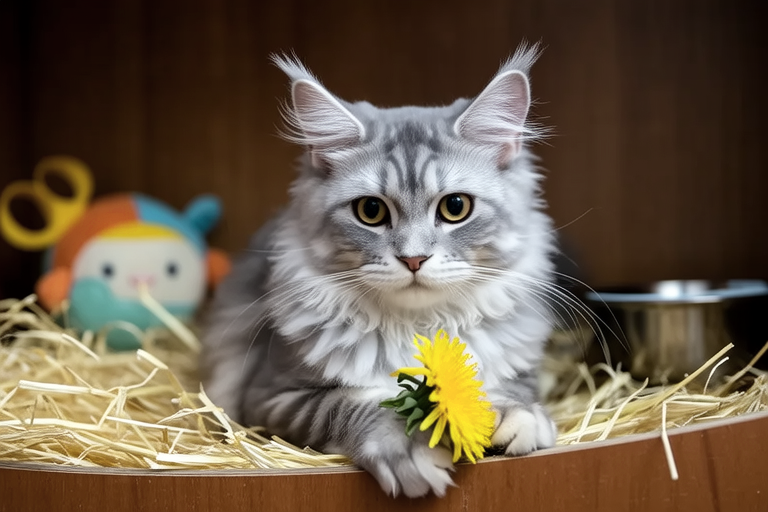
Chinchilla Care Guide: Tips for a Happy Pet
Welcome to your comprehensive guide on how to provide the best care for your chinchilla! Chinchillas are small, furry rodents that are known for their soft fur and playful nature. They make great pets for those who are willing to invest time and effort into understanding their unique needs. This guide will cover everything from habitat setup to dietary needs, grooming requirements, exercise recommendations, and health care tips. We’ll also delve into chinchilla behavior and interaction with humans.
Habitat Setup
Creating the right environment for your chinchilla is crucial for their well-being. Start by selecting an appropriate cage. The cage should be large enough to allow your chinchilla to move around comfortably. A minimum size of 36 inches long, 24 inches wide, and 24 inches high is recommended. Opt for a multi-level cage with ramps and platforms to encourage climbing and jumping.
Ensure the cage has adequate ventilation and is placed in a cool area away from direct sunlight and drafts. Chinchillas are native to the Andes Mountains in South America, where temperatures are typically cool. Therefore, maintaining a temperature between 60 and 70 degrees Fahrenheit (15 to 21 degrees Celsius) is ideal. Avoid placing the cage near windows or heat sources like radiators.
For bedding, use dust-free wood shavings or paper-based bedding. Avoid pine and cedar shavings as they can irritate your chinchilla’s respiratory system. Provide a dust bath box filled with special chinchilla dust twice a week for about 15 minutes at a time. This helps keep their fur clean and healthy. Additionally, include toys such as wooden chew toys, tunnels, and hanging ropes to stimulate their natural behaviors and prevent boredom.
Dietary Needs
Chinchillas have specific dietary requirements to maintain their health. Their diet should consist primarily of hay, which should be available at all times. Timothy hay is the most common choice, but orchard grass hay can also be provided. Hay is essential for dental health as it helps wear down their continuously growing teeth.
In addition to hay, offer a small amount of pellets formulated specifically for chinchillas. These pellets should make up no more than 10% of their daily diet. Avoid seeds and nuts as they are too high in fat and can lead to obesity. Fresh water should always be available, and it’s a good idea to use a sipper bottle designed for small animals to prevent spillage.
Fruits and vegetables should be given sparingly as treats due to their high sugar content. Safe options include small pieces of apple, carrot, or broccoli. Introduce new foods gradually to monitor for any adverse reactions.
Grooming Requirements
Chinchillas require regular grooming to maintain their luxurious coats. As mentioned earlier, providing a dust bath box is essential for keeping their fur clean and free from oils and debris. Place the dust bath box in the cage for 15 minutes every few days, ensuring it is removed promptly afterward to prevent over-bathing.
Trimming nails is another important aspect of grooming. Long nails can cause discomfort and may even curl into the paw pads. Use nail clippers designed for small animals and be cautious not to cut the quick, which contains blood vessels. If you’re unsure, consult a veterinarian or professional groomer.
Brushing your chinchilla is generally not necessary due to their ability to self-groom through dust bathing. However, if you notice any tangles or mats in the fur, gently comb them out using a soft brush. Regular handling and gentle brushing can also help strengthen the bond between you and your chinchilla.
Exercise Recommendations
Providing ample opportunities for exercise is vital for your chinchilla’s physical and mental health. In addition to the space within their cage, consider setting up a safe play area outside the cage. Use a sturdy exercise pen or a room with chinchilla-proofed furniture and flooring. Remove any potential hazards such as electrical cords, toxic plants, and small objects that could be swallowed.
Supervise your chinchilla during playtime to ensure their safety. Allow them at least one hour of supervised exercise each day. During this time, engage them with toys and activities that stimulate their natural behaviors, such as running, jumping, and exploring. Rotate toys periodically to maintain interest and prevent boredom.
Health Care Tips
Maintaining your chinchilla’s health involves regular veterinary check-ups and monitoring for signs of illness. Choose a veterinarian experienced in treating exotic pets. Schedule annual visits, and bring your chinchilla in immediately if you notice any changes in behavior, appetite, or appearance.
Common health issues in chinchillas include dental problems, respiratory infections, and gastrointestinal stasis. Dental issues can be prevented by providing plenty of hay and chew toys. Respiratory infections may occur if the cage is too warm or damp. Gastrointestinal stasis can result from inadequate fiber intake or stress. Address these issues promptly to avoid complications.
Vaccinations are not typically required for chinchillas, but discuss any necessary preventative measures with your veterinarian. Parasite control, including internal and external parasites, is also important. Follow your veterinarian’s recommendations regarding deworming and flea/tick prevention.
Chinchilla Behavior and Interaction with Humans
Understanding your chinchilla’s behavior is key to building a strong relationship. Chinchillas are generally quiet and docile animals, but they can become stressed easily. Handle them gently and frequently to help them become comfortable with human interaction. Start by letting them get used to your scent and voice before attempting to pick them up.
When holding your chinchilla, support their body with one hand under their chest and the other supporting their hindquarters. Be gentle and avoid sudden movements. Chinchillas may sometimes bite if they feel threatened or scared, so it’s important to approach them calmly and confidently.
Chinchillas are social animals and can develop strong bonds with their owners. Spend quality time with your chinchilla each day, offering treats and engaging in play. This will help strengthen your relationship and create a happy, healthy pet.
Conclusion
Caring for a chinchilla requires dedication and attention to detail, but the rewards are immeasurable. By providing a suitable habitat, proper diet, regular grooming, sufficient exercise, and attentive healthcare, you can ensure your chinchilla lives a long, healthy, and happy life. Remember, each chinchilla is unique, so observe their behavior and adjust care accordingly. With patience, love, and the right knowledge, you and your chinchilla can enjoy many years of companionship.
