From the Great Barrier Reef to Your Tank: The Ultimate Guide to Keeping Clownfish Happy
Clownfish, with their vibrant colors and charming personalities, have captured the hearts of aquarists worldwide. These fascinating fish are native to the tropical waters of the Indo-Pacific region, particularly thriving in the Great Barrier Reef. This guide will take you through everything you need to know about keeping these delightful creatures happy and healthy in your home aquarium.
Clownfish Species Found in the Great Barrier Reef
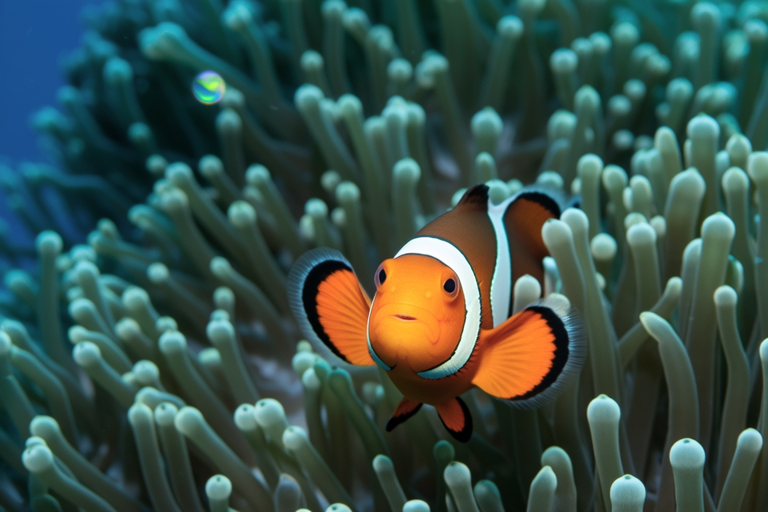
The Great Barrier Reef is home to several species of clownfish, each with unique characteristics and behaviors. Among the most popular are the Ocellaris clownfish (Amphiprion ocellaris), also known as the false percula clownfish, and the Percula clownfish (Amphiprion percula). Both species are characterized by their bright orange bodies with white stripes, though they differ slightly in color intensity and behavior. Another notable species is the Tomato clownfish (Amphiprion frenatus), distinguished by its deep red color and larger size compared to the others.
In their natural habitat, clownfish form symbiotic relationships with sea anemones. They are protected from predators by the anemone’s stinging tentacles, while the clownfish provides the anemone with nutrients through their waste. These fish are territorial and often found in small groups, usually led by the largest female. Their vibrant colors and bold patterns make them a favorite among divers and snorkelers exploring the reef.
Tank Setup Requirements
Water Parameters
Maintaining the right water conditions is crucial for the health and happiness of your clownfish. Ideal temperature ranges between 76°F to 82°F (24°C to 28°C). pH levels should be kept between 8.1 and 8.4, and ammonia and nitrite levels should be undetectable. Nitrate levels should remain below 20 ppm. Regular testing and water changes are essential to ensure optimal water quality.
Filtration Systems
A robust filtration system is vital for maintaining water quality. Choose a filter that can handle at least four to six times the volume of your tank per hour. Sponge filters are particularly beneficial as they provide mechanical, biological, and some chemical filtration. Additionally, consider adding a protein skimmer to remove organic waste before it breaks down into harmful compounds.
Tank Size
For a single pair or trio of clownfish, a tank size of at least 30 gallons is recommended. However, larger tanks offer more swimming space and better water stability. A larger tank also allows for more live rock and decorations, which are important for creating a natural environment.
Selecting Compatible Tank Mates and Live Rock Arrangements
Compatible Tank Mates
Choosing the right tank mates for your clownfish is crucial. Clownfish are generally peaceful but can become aggressive towards other clownfish if space is limited. Good companions include peaceful species such as cardinal tetras, blue-green chromis, and mandarin dragonets. Avoid aggressive or territorial fish like damsels, triggers, and large angelfish.
Live Rock Arrangements
Live rock is essential for mimicking the reef environment and providing hiding spots. Arrange the live rock in a way that creates caves and crevices where your clownfish can hide and feel secure. Ensure there is enough open swimming space and avoid overcrowding the tank with decorations.
Feeding Habits and Health Monitoring
Feeding Habits
Clownfish are omnivorous and require a balanced diet. Feed them a variety of foods, including high-quality flake food, frozen brine shrimp, and mysis shrimp. Supplement their diet with occasional treats like vitamin-enriched live brine shrimp. Feed them twice daily, offering only what they can consume within a few minutes.
Health Monitoring
Closely monitor your clownfish for any signs of stress or disease. Healthy clownfish are active, eat regularly, and have vibrant colors. Watch for signs of illness such as lethargy, loss of appetite, frayed fins, or white spots. Early detection and treatment are key to preventing the spread of disease.
Common Diseases
Common diseases to watch out for include ich, marine velvet, and bacterial infections. Ich presents as tiny white spots on the fish’s body, while marine velvet appears as a dusty coating. Bacterial infections may cause ulcers or fin rot. Quarantine new additions to your tank for at least two weeks to prevent the introduction of diseases.
Breeding Clownfish in Captivity
Breeding clownfish in captivity requires a stable and enriching aquarium environment. Start by selecting a healthy pair of clownfish. Provide them with ample hiding spots and live rock to create a natural spawning site. Increase the water temperature slightly to stimulate breeding behavior. Once the eggs are fertilized, carefully siphon them to a separate rearing tank to protect them from predation.
Feed the newly hatched fry brine shrimp nauplii and gradually introduce them to larger food sources as they grow. Maintain pristine water conditions and frequent water changes to ensure their survival. With proper care and attention, you can successfully breed clownfish in captivity and enjoy watching their offspring thrive.
Conclusion
Keeping clownfish happy and healthy in your aquarium involves understanding their natural behaviors and needs. By providing the right tank setup, selecting compatible tank mates, and ensuring proper feeding and health monitoring, you can create a thriving environment for these beautiful fish. Breeding clownfish in captivity adds another rewarding dimension to your aquarium experience. With patience and dedication, you can enjoy the joy and wonder of these magnificent creatures in your own home.
