Top 10 Myths About Keeping a Chinchilla as a Pet Busted!
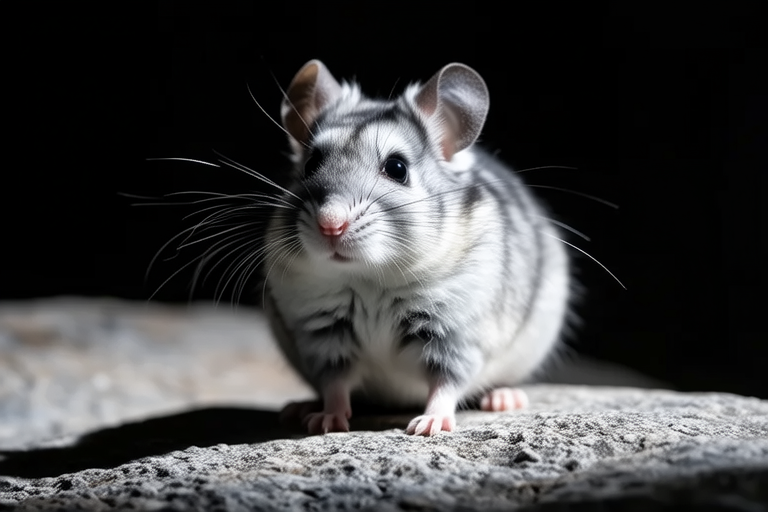
Chinchillas have gained popularity as exotic pets due to their unique appearance and gentle demeanor. These fluffy rodents, native to the Andes Mountains in South America, are known for their soft, dense fur. However, as with any pet, there are many myths and misconceptions surrounding their care. Separating fact from fiction is crucial for anyone considering bringing a chinchilla into their home. This article aims to debunk ten of the most common myths about keeping chinchillas as pets.
Myth 1: Chinchillas Don’t Require Much Space
Myth: Many believe that because chinchillas are small, they don’t need much space. This misconception can lead to inadequate housing setups.
Why It’s Incorrect: Chinchillas are highly active and social creatures. They require ample room to exercise and explore within their enclosures. A cage that’s too small can lead to health issues such as obesity and behavioral problems.
Accurate Information: The recommended minimum cage size for a single chinchilla is 36 inches wide, 24 inches deep, and 24 inches tall. Larger cages are ideal, especially for multiple chinchillas, as they encourage natural behaviors like jumping and climbing.
Myth 2: Chinchillas Are Low-Maintenance Pets
Myth: Some people assume that because chinchillas are quiet and small, they’re easy to care for.
Why It’s Incorrect: While chinchillas may be quieter than other pets, they have specific dietary and environmental needs that require careful attention. Neglecting these needs can result in serious health problems.
Accurate Information: Chinchillas need a diet rich in hay and pellets specifically formulated for them. They also require dust baths several times a week to maintain their luxurious fur. Regular vet check-ups are necessary to ensure their health and well-being.
Myth 3: Chinchillas Can Be Handled Freely
Myth: There’s a belief that chinchillas are comfortable being held and handled by their owners.
Why It’s Incorrect: Chinchillas are prey animals and, as such, can become stressed easily when handled. They are not naturally inclined to enjoy being picked up and carried around.
Accurate Information: It’s better to let your chinchilla come to you rather than trying to pick it up. Use treats and gentle coaxing to encourage interaction. Always support their back and bottom when handling them briefly.
Myth 4: Chinchillas Thrive in Warm Climates
Myth: Some think that because chinchillas originate from mountainous regions, they prefer warm environments.
Why It’s Incorrect: Chinchillas are adapted to cold, dry climates and struggle in heat. High temperatures can cause them to overheat, leading to potentially fatal conditions.
Accurate Information: Chinchillas should be kept in cool, well-ventilated areas with temperatures below 75°F (24°C). Using air conditioning or fans is essential during warmer months to prevent overheating.
Myth 5: Chinchillas Are Nocturnal
Myth: There’s a common belief that chinchillas are strictly nocturnal, meaning they are only active at night.
Why It’s Incorrect: While chinchillas are primarily crepuscular (most active during dawn and dusk), they can be active at various times throughout the day. Their activity levels depend on their environment and routine.
Accurate Information: Providing a consistent schedule for feeding and playtime can help establish a predictable routine for your chinchilla. This can make it easier to bond with your pet during its periods of heightened activity.
Myth 6: Chinchillas Don’t Need Social Interaction
Myth: Some believe that chinchillas are solitary animals and don’t need companionship.
Why It’s Incorrect: Chinchillas are social creatures and benefit greatly from having a companion. Isolation can lead to loneliness and stress, which negatively impacts their health.
Accurate Information: If possible, keep two chinchillas together, preferably of the same sex, to ensure they have a companion. Introducing new chinchillas requires patience and careful planning to avoid conflicts.
Myth 7: Chinchillas Don’t Need Toys
Myth: There’s a misconception that since chinchillas are small, they don’t need toys.
Why It’s Incorrect: Chinchillas are intelligent and curious animals that enjoy mental stimulation and physical activity. Without appropriate toys, they can become bored and develop destructive behaviors.
Accurate Information: Provide a variety of toys designed for small animals, including chew toys, tunnels, and platforms for climbing. Rotate toys periodically to keep your chinchilla engaged and entertained.
Myth 8: Chinchillas Are Easy to Train
Myth: Some think that chinchillas are easy to train for tricks and commands.
Why It’s Incorrect: Chinchillas are not inherently trainable like dogs or parrots. They respond best to positive reinforcement but are generally not interested in performing tricks.
Accurate Information: Focus on building trust and a strong bond with your chinchilla through gentle handling and positive interactions. Training should be about understanding and respecting your pet’s boundaries rather than teaching complex commands.
Myth 9: Chinchillas Don’t Have Strong Teeth
Myth: There’s a belief that chinchillas have weak teeth that don’t require special care.
Why It’s Incorrect: Chinchillas have continuously growing teeth, which can lead to overgrowth if not properly maintained. Overgrown teeth can cause pain and difficulty eating.
Accurate Information: Provide plenty of safe chewing materials like wooden blocks and hay to help wear down their teeth naturally. Regular veterinary check-ups are necessary to monitor tooth growth and address any issues early.
Myth 10: Chinchillas Don’t Make Good Pets for Children
Myth: Some believe that chinchillas are not suitable pets for children due to their delicate nature.
Why It’s Incorrect: While chinchillas are indeed delicate, they can be wonderful pets for children who are taught proper handling techniques and respect for the animal’s boundaries.
Accurate Information: Educate children on the gentle and respectful ways to interact with chinchillas. Supervise all interactions to ensure safety and comfort for both the child and the chinchilla.
Tips for Potential Chinchilla Owners
Bringing a chinchilla into your home is a significant commitment. Here are some tips to ensure your chinchilla lives a happy, healthy life:
- Choose a spacious, well-ventilated cage with multiple levels for climbing.
- Provide a balanced diet of hay, fresh water, and high-quality chinchilla pellets.
- Offer dust baths several times a week to maintain their coat.
- Keep the living area cool and avoid direct sunlight and drafts.
- Provide a variety of toys and activities to keep your chinchilla mentally stimulated.
- Handle your chinchilla gently and infrequently to avoid stress.
- Regularly consult with a veterinarian experienced with chinchillas for health checks and advice.
By understanding and addressing the common myths about chinchillas, you can ensure that your pet thrives in a loving and appropriately cared-for environment. With the right knowledge and commitment, owning a chinchilla can be a rewarding experience for both you and your furry friend.
