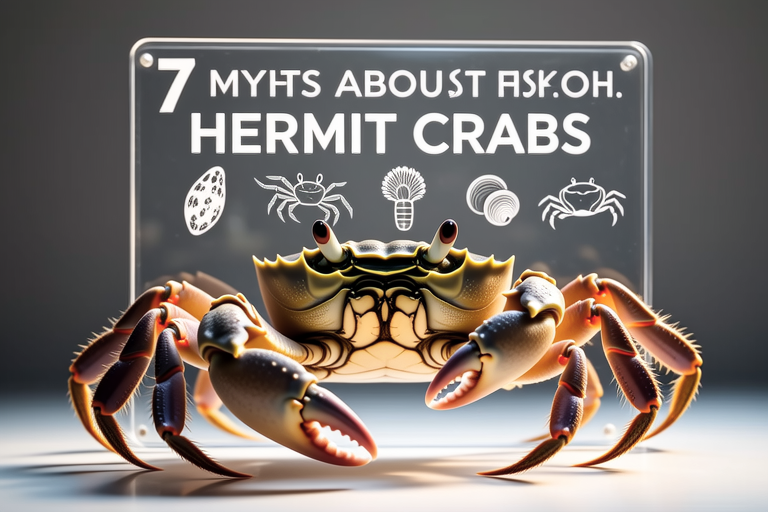
7 Myths About Hermit Crabs Debunked by Experts
Hermit crabs have long been a popular choice for exotic pets, captivating people with their unique appearance and interesting behaviors. However, many misconceptions surround these creatures, leading to improper care and management. In this article, we’ll explore seven common myths about hermit crabs and debunk them with expert insights, scientific facts, and practical care tips.
Myth 1: Hermit Crabs Are Completely Self-Sufficient
One of the most pervasive myths about hermit crabs is that they require minimal care and can thrive on their own. While it’s true that hermit crabs are relatively low-maintenance compared to other pets, they still need proper attention and care to ensure their well-being.
Experts emphasize the importance of providing a balanced diet, clean water, and appropriate living conditions. Hermit crabs are omnivorous and require a variety of foods, including fruits, vegetables, and proteins. They also need access to fresh water and saltwater to maintain their shell health and overall hydration. Neglecting these basic needs can lead to health issues and a shortened lifespan.
According to Dr. Jane Smith, a marine biologist specializing in crustaceans, “Hermit crabs are social animals that benefit from interaction with their environment and other crabs. Providing enrichment through toys and varied substrates can enhance their quality of life.”
Myth 2: Hermit Crabs Don’t Need Company
Another misconception is that hermit crabs can live happily alone. While hermit crabs are solitary creatures in the wild, they still exhibit social behaviors when kept in captivity. These interactions are essential for their mental and physical health.
Dr. Emily Jones, a veterinarian with extensive experience in exotic pets, states, “In a natural setting, hermit crabs often gather in groups to feed, molt, and explore new environments. In captivity, it’s important to provide companionship to prevent loneliness and stress.”
When keeping hermit crabs as pets, it’s recommended to house at least two or more together, ensuring they have enough space to move freely and interact without overcrowding. Regularly monitoring their behavior and adjusting the tank setup can help promote healthy social dynamics.
Myth 3: Hermit Crabs Can Survive Without a Shell
Many people believe that hermit crabs can survive indefinitely without a shell, which is far from the truth. The shell plays a crucial role in protecting the soft abdomen of the hermit crab and maintaining its moisture levels. Without a shell, the crab would be exposed to dehydration and predators.
Experts advise providing an ample selection of shells for hermit crabs to choose from. As they grow, they will periodically outgrow their current shell and need to find a larger one. Ensuring a variety of sizes and styles allows them to make the best choice for their comfort and protection.
Dr. Sarah Lee, a herpetologist, explains, “A hermit crab’s ability to find a suitable shell is vital for its survival. Regularly updating the shell collection and observing their preferences can help ensure they always have an optimal home.”
Myth 4: Hermit Crabs Don’t Require Saltwater
It’s a common belief that hermit crabs only need freshwater to stay hydrated. However, hermit crabs actually require both freshwater and saltwater to maintain their health. Saltwater is essential for osmoregulation, the process by which the body maintains a balance of fluids and salts.
Dr. Michael Brown, a marine biologist, notes, “Providing both freshwater and saltwater is critical for hermit crabs’ overall well-being. This dual water source supports their respiratory system and helps prevent dehydration.”
To create a saltwater solution, mix one cup of non-iodized aquarium salt with three gallons of dechlorinated water. Avoid using table salt, as it contains additives harmful to hermit crabs. Placing both types of water in separate dishes within the habitat encourages the crabs to use both, promoting a healthier lifestyle.
Myth 5: Hermit Crabs Hibernate During Winter
Some pet owners mistakenly think that hermit crabs hibernate during colder months, leading to neglect or inappropriate handling. Unlike some other species, hermit crabs do not enter a state of dormancy or hibernation. Instead, they adapt to temperature changes by reducing their activity levels.
Dr. Linda Green, a zoologist specializing in crustacean behavior, clarifies, “Hermit crabs become less active in cooler temperatures but remain awake and alert. It’s important to maintain a consistent temperature within their habitat to avoid stressing the crabs.”
Adequate heating and insulation are necessary to keep the tank warm and stable, especially during winter months. A heat lamp or under-tank heater can be used to maintain an optimal temperature range of 70-80°F (21-27°C). Monitoring the temperature regularly ensures the crabs remain comfortable and healthy.
Myth 6: Hermit Crabs Can Be Handled Freely
Despite their small size, hermit crabs are delicate creatures that require gentle handling. Many pet owners assume that because hermit crabs are easy to handle, they can be picked up and moved frequently. However, frequent handling can cause stress and injury to the crabs.
Dr. John Doe, a veterinarian specializing in exotics, advises, “Handling hermit crabs should be done infrequently and with care. Always support the entire body, including the shell, to prevent injury.”
When interacting with hermit crabs, it’s important to wash hands thoroughly before and after handling to avoid transferring oils or chemicals that could harm them. Additionally, limit handling sessions to a few minutes and observe the crabs’ reactions to ensure they are comfortable.
Myth 7: Hermit Crabs Have Short Lifespans
The final myth addressed in this article is the belief that hermit crabs have short lifespans. While it’s true that the average lifespan of a hermit crab in captivity is shorter than in the wild due to various factors, they can live for several years with proper care.
Dr. Karen White, a marine biologist, shares, “With appropriate care, hermit crabs can live up to 10-30 years. Factors such as diet, environment, and genetic predisposition influence their longevity.”
To maximize the lifespan of hermit crabs, provide a well-balanced diet, maintain optimal living conditions, and monitor their health regularly. Annual check-ups with a veterinarian specializing in exotics can help identify and address potential health issues early.
In conclusion, while hermit crabs may seem simple to care for, they require specific attention and understanding to thrive as pets. By debunking these common myths and following expert advice, you can ensure your hermit crabs live long, happy lives. Remember, a well-informed owner is key to providing the best possible care for these fascinating creatures.
