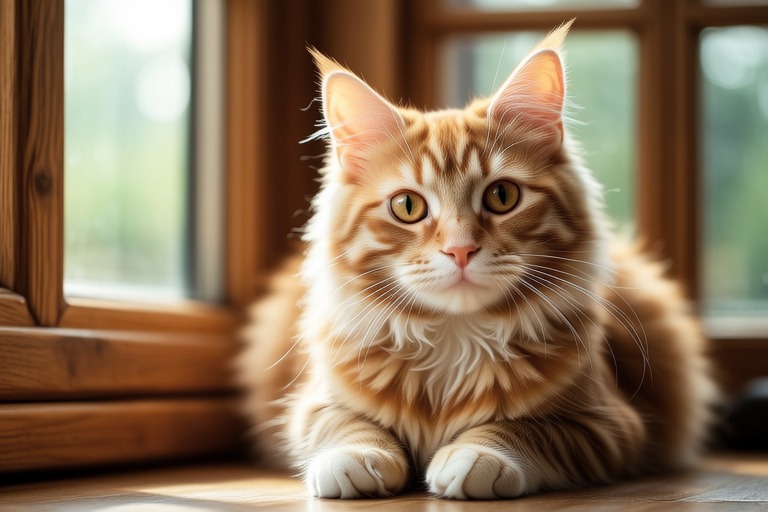
The Whiskered Wonders: A Journey Through Orange Cats
Orange cats, often referred to as ginger or marmalade cats, have captured the hearts of many cat lovers around the world. Their distinctive appearance, combined with their unique personalities, has made them a beloved subject in literature, art, and popular culture. This article delves into the fascinating world of orange cats, exploring their history, genetics, behavior, and cultural significance.
The Genetic Marvel Behind Orange Coats
The striking orange color of these felines is a result of a genetic mutation that affects the production of melanin, the pigment responsible for skin and hair color. In orange cats, this mutation leads to the expression of red or orange fur, giving rise to their vibrant appearance. The gene responsible for this mutation is located on the X chromosome, which means that it is more common in male cats than in females. Male cats have one X and one Y chromosome, so they only need one copy of the orange gene to express the color. Females, on the other hand, have two X chromosomes, meaning they need two copies of the orange gene to be fully orange. If a female inherits one orange gene and one non-orange gene, she will likely be tortoiseshell, with patches of orange and black fur.
A Brief History of Orange Cats
Orange cats have been part of human culture for centuries. Ancient Egyptians revered cats, including those with orange fur, and often depicted them in their art and hieroglyphics. During the Middle Ages, orange cats were believed to have special powers, such as the ability to protect homes from evil spirits. In some European folklore, orange cats were thought to bring good luck, especially if they crossed your path. These beliefs may have originated from the fact that orange cats often have a calm demeanor and are known for their loyalty and affection towards their human companions.
Cultural Significance and Myths Surrounding Orange Cats
In various cultures, orange cats have been associated with different meanings and symbolism. For instance, in Japan, the Maneki-neko, or “beckoning cat,” is often depicted as an orange cat with one paw raised. This iconic figure is believed to bring good fortune and prosperity to its owner. Similarly, in Chinese culture, the color orange is associated with happiness and success, making orange cats a popular choice for those seeking good luck and positive energy.
However, not all myths about orange cats are positive. In some parts of the world, orange cats are considered bad luck, especially if they cross your path. This belief may stem from the fact that orange cats are often seen as more independent and less predictable than other cats, leading some people to associate them with mischief or misfortune. Despite these superstitions, there is no scientific evidence to support the idea that orange cats are any more likely to bring bad luck than any other cat.
Popular Breeds and Common Health Traits
Several popular cat breeds are known for their orange coats, including the American Shorthair, British Shorthair, and Maine Coon. Each breed has its own unique characteristics and temperaments, but all share the distinctive orange hue that makes them stand out. The American Shorthair, for example, is known for its muscular build and friendly nature, while the British Shorthair is often described as calm and laid-back. The Maine Coon, with its long, flowing fur and gentle disposition, is another favorite among cat enthusiasts.
Despite their charming appearance, orange cats are not immune to certain health issues. One of the most common conditions affecting orange cats is feline hypertrophic cardiomyopathy (HCM), a heart disease that can lead to serious complications if left untreated. Another concern is polycystic kidney disease (PKD), a genetic disorder that causes cysts to form in the kidneys, potentially leading to kidney failure. Regular veterinary check-ups and genetic testing can help identify these conditions early and ensure that affected cats receive appropriate care.
Interactions with Humans: Anecdotes and Studies
Orange cats are often described as social and affectionate, making them excellent companions for people who enjoy a close relationship with their pets. Many owners report that their orange cats are particularly good at reading their emotions and offering comfort when needed. For example, one study found that orange cats were more likely to approach strangers than cats of other colors, suggesting that they may be more sociable and outgoing by nature.
In addition to their friendly demeanor, orange cats are also known for their playful and curious nature. They often enjoy interactive toys and games, making them ideal candidates for families looking for an active and engaging pet. However, it’s important to note that each cat is an individual, and their personality can vary depending on factors such as environment, upbringing, and genetics.
Tips for Potential Owners
If you’re considering adopting an orange cat, there are several things to keep in mind. First, it’s important to choose a reputable breeder or rescue organization to ensure that your new companion comes from a healthy and well-cared-for background. Once you’ve brought your orange cat home, it’s essential to provide them with a safe and stimulating environment that meets their physical and emotional needs.
This includes providing plenty of opportunities for play and exercise, as well as ensuring that they have access to a comfortable and quiet space where they can relax and recharge. It’s also important to establish a routine for feeding, grooming, and veterinary care to ensure that your orange cat remains healthy and happy throughout their life.
Conclusion
Orange cats are truly unique creatures, combining striking appearances with distinct personalities and rich cultural histories. Whether you’re a seasoned cat lover or just starting to explore the joys of feline companionship, an orange cat could be the perfect addition to your family. By understanding their genetic makeup, common health concerns, and behavioral tendencies, you can provide your orange cat with the love and care they deserve, ensuring a lifetime of happiness and companionship.
