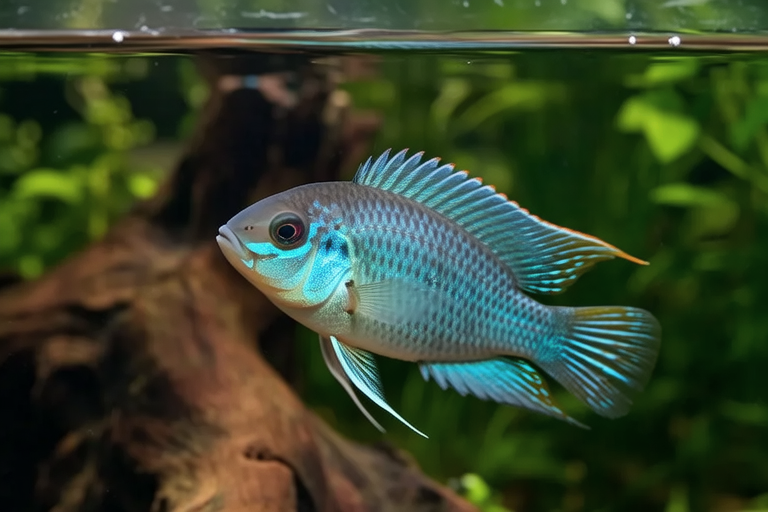
Rajah Cichlid: The Ultimate Guide for Aquarists
Welcome to the comprehensive guide on Rajah cichlids! This guide will provide you with all the necessary information to successfully keep these fascinating fish in your aquarium. Whether you’re a beginner or an experienced aquarist, this guide will help you understand the unique needs of Rajah cichlids and ensure they thrive in their aquatic environment.
Species Origin and Natural Habitat
The Rajah cichlid (Apistogramma regani) originates from the Amazon Basin in South America, specifically from Brazil and Peru. They are found in slow-moving streams, tributaries, and floodplains where the water is soft and acidic. These areas are typically filled with dense vegetation, submerged roots, and leaf litter, providing ample hiding spots and spawning sites for the fish.
In their natural habitat, Rajah cichlids live in small groups or pairs, often staying close to the bottom of the water column. They are territorial during breeding but generally peaceful towards other fish outside of this period. Understanding their natural environment helps recreate similar conditions in your aquarium, ensuring the fish feel secure and comfortable.
Ideal Tank Setup and Maintenance
Tank Size and Decorations
A minimum tank size of 20 gallons is recommended for a pair of Rajah cichlids, but larger tanks up to 40 gallons can be beneficial for a small group. A well-planted tank with plenty of hiding spots is essential for their comfort. Use driftwood, rocks, and live or artificial plants to create caves and crevices that mimic their natural habitat. Java moss, java fern, and Anubias are excellent plant choices as they provide shelter and spawning sites.
Water Parameters
Maintain the following water parameters for optimal health:
- Temperature: 78°F – 82°F (25°C – 28°C)
- pH: 5.0 – 6.5 (slightly acidic)
- Hardness: 1° – 5° dGH (soft water)
- Ammonia/Nitrite: 0 ppm
- Nitrate: Below 20 ppm
Regular water changes of 20% every week are crucial to maintain water quality. Use a high-quality filter with gentle flow to avoid stressing the fish. Employ a combination of mechanical, biological, and chemical filtration to keep the water clean and stable.
Filtration and Aeration
Install a reliable filtration system capable of handling the tank’s volume. A sponge filter or a hang-on-back filter with a low flow rate works well for Rajah cichlids. Ensure the filter does not create strong currents, as these fish prefer calm waters. Additionally, provide adequate aeration through an air stone or a powerhead to maintain oxygen levels.
Dietary Requirements
Rajah cichlids are omnivorous, feeding on a variety of foods in their natural habitat. In the aquarium, offer a balanced diet consisting of high-quality flake food, pellets, and frozen or live foods. Suitable options include brine shrimp, bloodworms, daphnia, and small insects. Supplement their diet with occasional vegetable matter like spirulina flakes or blanched vegetables such as zucchini or spinach.
Feed your Rajah cichlids small amounts twice daily, offering only what they can consume within a few minutes. Overfeeding can lead to poor water quality and health issues. Monitor their feeding behavior and adjust portions accordingly.
Breeding Behaviors
Rajah cichlids are relatively easy to breed in captivity if provided with appropriate conditions. Choose a mature pair and ensure they have a well-established territory with plenty of hiding spots. Introduce them to a breeding tank with soft, slightly acidic water and a temperature around 80°F (27°C).
During spawning, the female will lay eggs on a flat surface, such as a broad-leaved plant or a rock. The male will fertilize the eggs, and both parents will guard the clutch. After hatching, the fry will remain attached to the substrate for several days before becoming free-swimming. At this point, feed them infusoria or commercially available fry food until they are large enough to eat baby brine shrimp.
Monitor the parents closely; sometimes, they may eat their own offspring. If this happens, consider removing the adults and raising the fry separately. Provide the fry with regular water changes and a nutritious diet to promote healthy growth.
Common Health Issues
Like many tropical fish, Rajah cichlids are susceptible to certain health problems. Some common issues include:
- Ich: Small white spots on the body, fins, and gills. Treat with a commercial ich medication and improve water quality.
- Fin Rot: Fins become frayed, torn, or discolored. Maintain good water quality and treat with a fin rot remedy.
- Bloat: Swollen belly, loss of appetite, and lethargy. Reduce feeding and monitor water quality.
- Parasites: Visible parasites on the skin or gills. Quarantine the affected fish and treat with appropriate medication.
Preventative measures, such as maintaining pristine water quality and quarantining new fish before introducing them to the main tank, can significantly reduce the risk of disease outbreaks.
Tips for Keeping Rajah Cichlids Healthy and Happy
Stress Reduction
Minimize stress by providing a spacious tank with plenty of hiding places. Avoid overcrowding and sudden changes in water parameters. Handle the fish gently when necessary, and acclimate them slowly to new environments.
Social Behavior
Rajah cichlids are generally peaceful towards other fish but can become territorial during breeding. Keep them in pairs or small groups and avoid housing them with overly aggressive or competitive species. Compatible tank mates include small tetras, rasboras, and other peaceful cichlids.
Observation and Monitoring
Regularly observe your Rajah cichlids for any signs of illness or unusual behavior. Pay attention to their appetite, activity level, and appearance. Early detection of health issues allows for prompt treatment and better outcomes.
Water Changes and Filtration
Perform regular water changes and maintain efficient filtration to ensure optimal water quality. A clean environment supports the fish’s immune system and reduces the likelihood of disease.
Feeding Habits
Offer a varied and balanced diet to meet the nutritional needs of your Rajah cichlids. Feed them small amounts multiple times daily, avoiding overfeeding. Remove uneaten food promptly to prevent water contamination.
Conclusion
By understanding the specific needs of Rajah cichlids and providing them with an appropriate tank setup, diet, and care, you can enjoy the beauty and charm of these captivating fish in your aquarium. With proper attention and dedication, Rajah cichlids will thrive, bringing joy and fascination to both novice and experienced aquarists alike.
