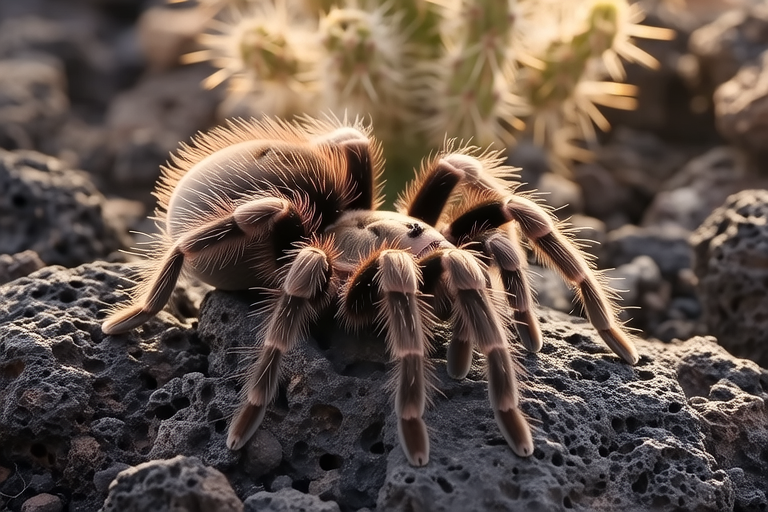
Chilean Rose Tarantulas: A Comprehensive Guide
The Chilean Rose Tarantula, scientifically known as Grammostola rosea, has emerged as one of the most popular pet tarantulas due to its docile nature, vibrant coloration, and relatively low maintenance care requirements. Originating from the arid regions of Chile, this species has become a favorite among both novice and experienced pet enthusiasts. This article delves into the unique characteristics, care requirements, and growing popularity of these fascinating creatures.
Temperament and Appearance
One of the most appealing aspects of the Chilean Rose Tarantula is its gentle demeanor. Unlike some other tarantula species that can be aggressive or skittish, the Chilean Rose Tarantula is known for its calm and docile behavior. This makes it an ideal choice for first-time tarantula owners who may be apprehensive about handling such creatures. Their appearance is equally captivating, with a striking pinkish hue that gives them their common name. As they mature, their color deepens to a rich rose-red, creating a visually stunning spider that is both beautiful and approachable.
Habitat and Care Requirements
Creating the right environment for your Chilean Rose Tarantula is crucial for its well-being. These spiders thrive in warm, dry conditions similar to their native habitats. A typical enclosure should include a substrate made of coconut fiber or reptile bark to mimic their natural soil, along with hiding spots like cork bark or small caves. Proper ventilation is essential, so ensure the tank has adequate air flow without drafts. Temperature and humidity levels should be maintained between 75-85°F (24-29°C) and 60-70%, respectively. Regular misting helps maintain the desired humidity level while also providing hydration for your pet.
Feeding Habits
Chilean Rose Tarantulas have relatively simple dietary needs compared to many other animals. In captivity, they primarily feed on live insects such as crickets, mealworms, and occasional wax worms. It’s important to gut-load these feeder insects with nutritious food before offering them to your tarantula to ensure optimal nutrition. Feeding frequency depends on the age and size of the spider; younger individuals require more frequent meals, typically every few days, whereas adults might only need to eat once a week.
Healthcare and Common Issues
Despite their hardiness, Chilean Rose Tarantulas can encounter health problems if not cared for properly. Common issues include dehydration, mite infestations, and improper shedding. Ensuring a balanced diet and maintaining appropriate environmental conditions goes a long way in preventing these issues. Regular observation of your tarantula’s behavior and physical condition can help catch any potential problems early. If you notice signs of illness or injury, consult with a veterinarian specializing in exotic pets for guidance.
Myths Versus Realities About Owning Tarantulas
There are several misconceptions surrounding tarantula ownership that often deter people from considering them as pets. One prevalent myth is that all tarantulas are highly venomous and dangerous. While it’s true that tarantulas possess venom glands, the toxicity varies greatly among species. The venom of the Chilean Rose Tarantula is generally considered harmless to humans, causing only mild irritation at worst. Another misconception is that tarantulas require constant attention and interaction. In reality, these spiders are solitary by nature and prefer minimal disturbance. Providing them with a suitable habitat where they feel secure allows them to thrive without needing regular handling.
Tips for Potential Owners
If you’re considering adding a Chilean Rose Tarantula to your family, here are some practical tips to get you started:
- Research thoroughly: Before committing to any pet, especially something as unique as a tarantula, make sure you understand their specific needs and behaviors.
- Choose the right enclosure: Invest in a high-quality terrarium designed specifically for housing tarantulas. Proper setup ensures your pet remains healthy and comfortable.
- Handle with care: Although these spiders are generally docile, always handle them gently and avoid sudden movements that could startle them.
- Monitor closely: Keep an eye on changes in your tarantula’s behavior or appearance, which could indicate underlying health issues.
Transition from Exotic Pet to Beloved Companion
The shift towards viewing tarantulas as beloved companions rather than mere exotic curiosities reflects broader trends in pet ownership today. More people are seeking out pets that offer companionship without requiring extensive time investment or space. The Chilean Rose Tarantula perfectly fits this niche, offering a unique connection with nature while demanding minimal upkeep. As awareness grows about the proper care and enrichment needed for these fascinating creatures, we anticipate seeing even greater acceptance within mainstream pet culture.
Conclusion
The Chilean Rose Tarantula stands out as a remarkable addition to any household interested in unique and low-maintenance pets. With its charming personality, attractive appearance, and manageable care requirements, it continues to gain popularity among both novice and seasoned pet owners alike. By understanding their specific needs and providing loving care, you can enjoy a rewarding relationship with one of nature’s most intriguing creatures.
