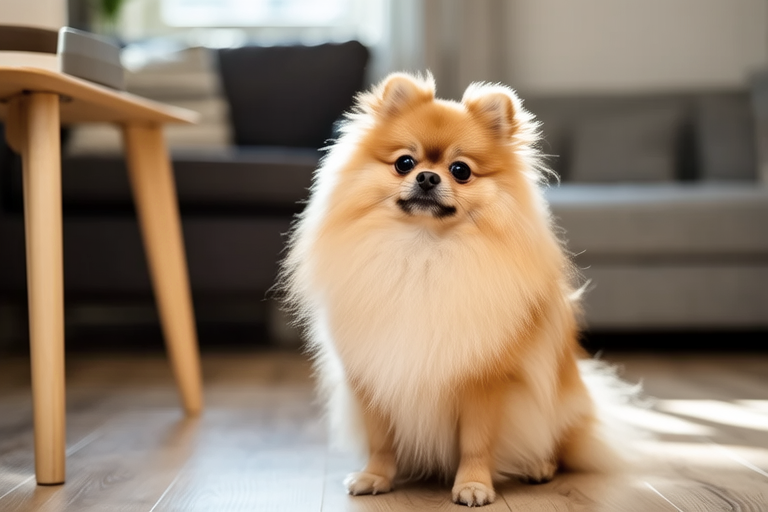
How to Care for Your Pomeranian: A Complete Guide for First-Time Owners
Welcome to the world of Pomeranian ownership! These charming, tiny dogs have captured the hearts of many with their fluffy coats and spirited personalities. However, owning a Pomeranian comes with responsibilities that extend beyond just providing food and shelter. This guide will walk you through everything you need to know to care for your Pomeranian, ensuring they live a long, healthy, and happy life.
Basic Information About Pomeranians
Pomeranians are a small breed of dog known for their luxurious double coat and lively demeanor. Originally from the province of Pomerania in Germany, these dogs were initially bred as working dogs, specifically to herd sheep. Over time, they have been miniaturized and now serve primarily as companion animals. Despite their diminutive size, Pomeranians are full of energy and possess a keen intelligence that makes them both entertaining and challenging pets.
Typically weighing between 3 and 7 pounds, Pomeranians stand at about 6 to 7 inches tall at the shoulder. Their thick, double-layered coats come in various colors, including orange, black, cream, brown, and blue. The outer layer is harsh and straight, while the undercoat is soft and dense. This coat requires regular maintenance to prevent matting and tangling.
Pomeranians are often described as alert, active, and playful. They can be quite vocal, barking at strangers or other animals, which makes them excellent watchdogs despite their small size. However, they also tend to form strong bonds with their families and can become very attached to their human companions.
Dietary Needs
Feeding your Pomeranian a balanced diet is crucial for maintaining their overall health. As with most small breeds, Pomeranians require high-quality dog food that is rich in protein and low in fat. Look for foods specifically formulated for small breeds or toy breeds, as these formulas are designed to meet the unique nutritional needs of smaller dogs.
When choosing a food, consider the following factors:
- Protein Content: Aim for a minimum of 25% protein. Chicken, fish, lamb, and beef are common sources of animal-based proteins.
- Fat Content: Ensure the food contains around 10-15% fat to support energy levels without causing weight gain.
- Carbohydrates: Opt for complex carbohydrates like sweet potatoes or brown rice instead of simple sugars.
- Vitamins and Minerals: Check that the food includes essential vitamins and minerals such as vitamin E, calcium, and phosphorus.
Consult your veterinarian before making any changes to your Pomeranian’s diet. They can provide personalized advice based on your dog’s age, activity level, and specific health needs. Additionally, avoid feeding your Pomeranian table scraps or human foods that may be harmful to dogs, such as chocolate, grapes, raisins, onions, and garlic.
Grooming Requirements
Pomeranians have a beautiful, thick double coat that requires regular grooming to maintain its health and appearance. Proper grooming not only keeps your Pomeranian looking their best but also prevents skin issues and matting.
Brushing: Brush your Pomeranian’s coat at least three times a week to remove loose hair and prevent tangles. Use a slicker brush followed by a comb to ensure thorough grooming. Be gentle around sensitive areas like the face and ears.
Bathing: Bathe your Pomeranian every four to six weeks, depending on their activity level and how dirty they get. Use a mild, pH-balanced shampoo specifically designed for dogs. Avoid over-bathing, as this can strip the natural oils from their skin.
Nail Trimming: Trim your Pomeranian’s nails every two to three weeks or as needed. If you hear clicking sounds when your dog walks on hard surfaces, it’s a sign that their nails are too long. Use nail clippers or a nail grinder designed for dogs, and be careful not to cut into the quick, which can cause bleeding and pain.
Toothbrushing: Dental hygiene is important for all dogs, including Pomeranians. Brush your Pomeranian’s teeth daily if possible, or at least three times a week, using a toothbrush and toothpaste made specifically for dogs. This helps prevent plaque buildup and gum disease.
Eyebrow and Facial Hair: Pay special attention to the hair around your Pomeranian’s eyes and face. Keep this area clean and free of debris to prevent irritation. You can use a damp cloth to gently wipe away any dirt or discharge.
Exercise Recommendations
Despite their small size, Pomeranians are energetic and require regular physical activity to stay healthy and happy. Exercise helps burn off excess energy, promotes mental stimulation, and strengthens the bond between you and your dog.
Walking: Take your Pomeranian for at least one 15-minute walk each day. This provides an opportunity for them to explore their environment, socialize with other dogs, and relieve themselves.
Playtime: Engage your Pomeranian in interactive play sessions using toys like puzzle feeders, tug ropes, or fetch toys. Playing fetch or hide-and-seek can be particularly enjoyable for Pomeranians.
Training Sessions: Incorporate short training sessions into your routine. Not only does this provide mental stimulation, but it also reinforces good behavior and strengthens your relationship with your dog.
Remember to tailor the intensity and duration of your Pomeranian’s exercise regimen to their individual needs and capabilities. Pomeranians are prone to joint problems, so avoid overexertion and always supervise them during play to prevent injuries.
Health Concerns
While Pomeranians are generally healthy dogs, they are susceptible to certain health issues due to their small size and genetic predispositions. Regular veterinary check-ups, proper nutrition, and attentive care can help mitigate these risks.
Joint Problems: Small breeds like Pomeranians are prone to joint dysplasia, especially in the knees and elbows. Maintain a healthy weight to reduce stress on their joints and consider joint supplements recommended by your vet.
Eye Problems: Pomeranians may develop conditions such as cataracts, progressive retinal atrophy (PRA), or keratoconjunctivitis sicca (dry eye). Schedule annual eye exams with a veterinary ophthalmologist to monitor your dog’s ocular health.
Dental Issues: Poor dental hygiene can lead to periodontal disease, tooth loss, and other serious health complications. Follow a consistent brushing schedule and provide dental treats or toys to promote oral health.
Hypoglycemia: Pomeranians, particularly young puppies, are susceptible to hypoglycemia, a condition where blood sugar levels drop dangerously low. Feed your puppy frequent, small meals throughout the day to prevent this from occurring.
Allergies: Some Pomeranians may develop allergies to certain foods, environmental factors, or flea bites. Monitor your dog for signs of allergic reactions, such as itching, redness, or swelling, and consult your vet for appropriate treatment options.
Training Tips
Training your Pomeranian is essential for developing good behavior and ensuring a harmonious relationship between you and your pet. Pomeranians are intelligent dogs but can also be stubborn, so consistency and positive reinforcement are key.
Start Early: Begin training your Pomeranian as soon as you bring them home. Early training establishes routines and expectations, making it easier to manage behavior as your dog grows.
Use Positive Reinforcement: Reward good behavior with treats, praise, and affection. Avoid using punishment, as this can create fear and distrust. Instead, focus on rewarding desired behaviors to encourage repetition.
Consistency is Key: Be consistent with commands and rules. Use the same words and tone each time you give a command to reinforce understanding.
Short Training Sessions: Keep training sessions short and engaging. Pomeranians have relatively short attention spans, so frequent, brief sessions are more effective than long, drawn-out ones.
House Training: Establish a designated potty area outside and take your Pomeranian there regularly, especially after meals, naps, and playtime. Praise them when they go in the right spot to reinforce the behavior.
Socialization: Expose your Pomeranian to different environments, people, and other animals from a young age to help them become well-adjusted adults. Socialization reduces anxiety and aggression, promoting a friendly and confident demeanor.
Advice on Socializing Your Pomeranian
Socializing your Pomeranian is vital for their emotional well-being and helps prevent behavioral issues later in life. Proper socialization ensures that your dog feels comfortable and secure in various situations, reducing fear and aggression towards unfamiliar stimuli.
Early Exposure: Start socializing your Pomeranian as early as possible, ideally between 8 and 16 weeks of age. During this critical period, puppies are more open to learning and adapting to new experiences.
Gradual Introduction: Introduce your Pomeranian to new people, animals, and environments gradually. Allow them to explore at their own pace, offering reassurance and positive reinforcement along the way.
Vary Environments: Take your Pomeranian to different locations, such as parks, pet stores, and friends’ homes. This exposes them to various sights, sounds, and smells, helping them become adaptable and confident.
Positive Interactions: Encourage positive interactions with other dogs and people. Arrange playdates with well-behaved dogs and introduce your Pomeranian to new people in calm, controlled settings.
Professional Help: Consider enrolling your Pomeranian in obedience classes or seeking professional training if you encounter difficulties with socialization. Professional trainers can offer valuable guidance and support tailored to your dog’s specific needs.
