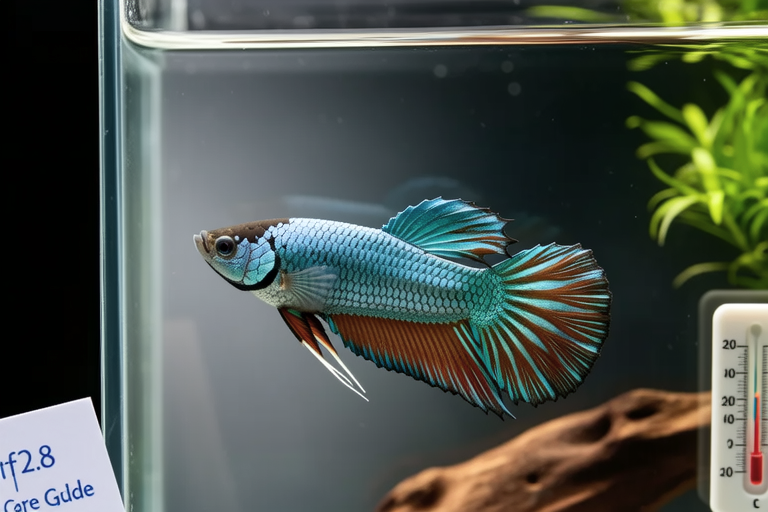
How to Make Your Parrot Fish Healthier and Happier!
Welcome to the wonderful world of keeping parrot cichlids! These vibrant, intelligent fish are popular choices among aquarium enthusiasts due to their striking colors and engaging personalities. However, like any pet, they require specific care to thrive. In this guide, we’ll cover everything you need to know to keep your parrot fish healthy and happy, from setting up their tank to enriching their environment.
Optimal Tank Setup for Parrot Fish
The first step in ensuring your parrot fish’s well-being is creating an ideal tank environment. Parrots are large, active fish that require ample space to swim and explore. A tank size of at least 55 gallons is recommended for a single parrot cichlid, with each additional fish requiring an extra 20 gallons. This spacious habitat allows for more efficient filtration and water circulation, which are crucial for maintaining water quality.
When setting up the tank, it’s important to provide plenty of hiding spots and caves for your parrot fish. These can be created using rocks, driftwood, or specialized aquarium decorations. Parrots are known for their digging behavior, so ensure that the substrate (gravel or sand) is fine enough to prevent injury but deep enough to allow some digging. Additionally, consider adding plants to the tank, as they not only enhance aesthetics but also improve water quality by absorbing nitrates.
Lighting is another critical aspect of tank setup. Parrot fish prefer moderate lighting conditions, similar to those found in their natural habitats. Avoid overly bright lights, as this can stress the fish. Instead, opt for LED aquarium lights that provide a gentle, even illumination throughout the day.
Water Quality Maintenance
Water quality is paramount for the health of your parrot fish. Poor water conditions can lead to stress, disease, and even death. To maintain optimal water quality, start by using a high-quality filter that is appropriate for the size of your tank. Regularly clean the filter media and replace it when necessary to prevent the buildup of harmful substances.
Adequate aeration is equally important. Use an air pump and airstone to ensure sufficient oxygen levels in the water. This is especially crucial if your tank has a heavy bioload, meaning it contains many fish or large fish like parrot cichlids. Check the water parameters regularly using test kits to monitor pH, ammonia, nitrite, and nitrate levels. The ideal pH range for parrot fish is between 6.8 and 7.8, while ammonia and nitrite should always read zero. Nitrate levels should be kept below 40 ppm.
Perform partial water changes every week, replacing approximately 25% of the water volume. This helps dilute toxins and replenish essential minerals. When changing the water, use a dechlorinator to neutralize any chlorine or chloramines present in tap water. Always acclimate new water gradually to avoid shocking your fish.
Nutritious Diet Suggestions
Feeding your parrot fish a balanced and varied diet is key to their overall health and longevity. These omnivorous fish enjoy a wide range of foods, including pellets, flakes, frozen and live foods, and vegetables. High-quality commercial pellets formulated for cichlids are excellent staple foods, providing a comprehensive blend of nutrients. Supplement these with freeze-dried or frozen options such as bloodworms, brine shrimp, and krill to offer variety and stimulate natural feeding behaviors.
In addition to protein-rich foods, include plant-based items like blanched spinach, peas, and spirulina flakes. These not only add nutritional value but also help maintain vibrant colors in your parrot fish. Feed your parrots several times a day, but only give them as much food as they can consume within a few minutes to prevent overfeeding and waste buildup.
It’s also beneficial to vary the texture and presentation of their meals. For instance, you can crumble pellets into smaller pieces or mix different types of food together. This encourages your fish to hunt and explore, mimicking their natural foraging behaviors. Always remove uneaten food promptly to maintain water quality.
Regular Health Check Tips
Keeping an eye on your parrot fish’s health is essential for early detection of any issues. Start by observing their behavior and appearance daily. Healthy parrot fish are active, alert, and display vibrant colors. Any sudden changes in activity level, appetite, or physical appearance could indicate underlying problems.
Common signs of illness in parrot fish include lethargy, loss of appetite, rapid breathing, bloating, or unusual spots or lesions on the body. If you notice any of these symptoms, quarantine the affected fish immediately to prevent the spread of disease. Treatments may vary depending on the specific condition, so consult with a veterinarian or experienced aquarist for proper diagnosis and treatment.
To prevent health issues, maintain a consistent routine of water changes, clean the tank regularly, and ensure the water parameters remain stable. Quarantine new additions to the tank for several weeks before introducing them to the main aquarium to avoid introducing diseases. Additionally, provide a balanced diet and avoid overcrowding the tank, as this can lead to increased stress and susceptibility to illnesses.
Interactive Enrichment Ideas
Parrot fish are intelligent creatures that benefit greatly from mental stimulation. Providing interactive enrichment activities not only keeps them entertained but also promotes their physical and psychological well-being. One effective way to engage your parrot fish is through the use of toys and puzzles designed specifically for aquarium fish. These can include floating balls, sinking discs, or treat-dispensing devices that encourage problem-solving behaviors.
Another fun activity is to create a treasure hunt by hiding food or treats around the tank. You can scatter small pieces of food or place them inside caves or under rocks, encouraging your fish to search and explore. This mimics their natural hunting behaviors and provides mental stimulation. Additionally, consider adding floating plants or decorations that can be rearranged periodically to keep the environment fresh and interesting.
Interacting directly with your parrot fish can also be rewarding. Gently hand-feed them using tongs or a feeding stick, allowing them to associate positive experiences with human interaction. Be cautious, though, as some parrot fish can become overly aggressive during feeding time. Always supervise closely and respect their boundaries.
Lastly, consider incorporating live plants into the tank. Not only do they improve water quality, but they also provide a natural habitat for your fish to explore and interact with. Choose hardy species that can withstand the digging and burrowing behavior of parrot fish, such as java fern or anubias.
Conclusion
By following these guidelines, you can ensure that your parrot fish leads a long, healthy, and happy life. From creating an optimal tank setup to maintaining water quality, offering a nutritious diet, conducting regular health checks, and providing interactive enrichment, each step contributes to the overall well-being of your aquatic companion. Remember, a thriving parrot fish is a joy to watch, and with proper care, you can enjoy years of companionship with these magnificent creatures.
