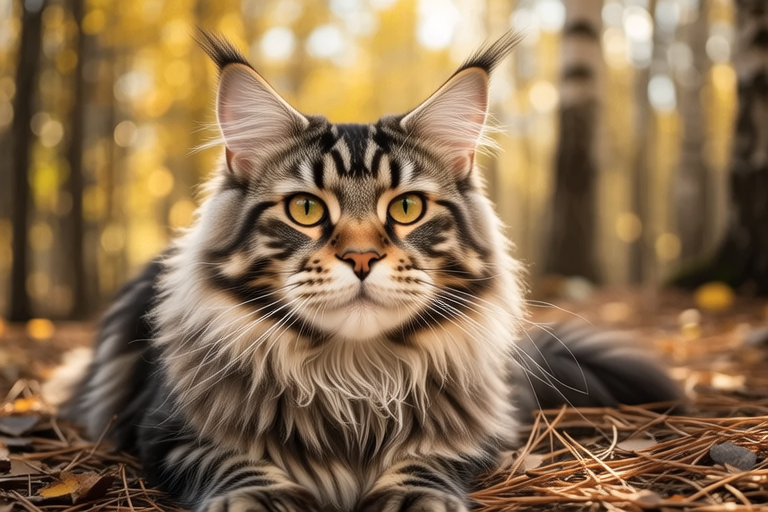
From Forests to Foyers: Understanding the Natural Habitat of Maine Coons
The Maine Coon is one of the oldest natural breeds in North America, known for its large size and distinctive appearance. Originating in the northeastern United States, particularly in the state of Maine, this breed has adapted from the rugged wild forests to the comfort of domestic environments. Their history is as fascinating as their unique characteristics.
The Origins of the Maine Coon
The exact origins of the Maine Coon are shrouded in legend, with various tales attributing their existence to everything from shipboard romances between domestic cats and raccoons (a myth debunked by science) to their descent from longhaired cats brought to North America by Vikings. Despite these colorful myths, it’s widely believed that the Maine Coon developed through natural selection in the harsh New England climate, where only the strongest and most adaptable survived.
These cats were initially valued for their hunting prowess, helping farmers and settlers control rodent populations. Over time, they became beloved pets, known for their friendly dispositions and playful nature. Today, Maine Coons are one of the most popular cat breeds, celebrated for their striking appearance and gentle demeanor.
Natural Habitat Characteristics
Maine Coons’ natural habitat is primarily the northeastern United States, characterized by dense forests, rocky coastlines, and cold, snowy winters. The region’s diverse ecosystems, ranging from deciduous forests to coastal marshes, provided ample opportunities for these cats to thrive.
The forests of Maine are dense with coniferous and deciduous trees, offering cover and shelter. During the summer, lush vegetation provides a rich environment for small prey such as mice, voles, and birds. In winter, the landscape transforms into a snow-covered expanse, challenging even the hardiest of creatures. Despite the harsh conditions, Maine Coons have adapted remarkably well, developing thick, water-resistant coats that protect them from the elements.
Physical Traits and Behaviors Shaped by Environment
The Maine Coon’s physical attributes are a direct result of their adaptation to the challenging New England environment. Their large paws, often tufted with fur, act like snowshoes, allowing them to walk on top of deep snow without sinking. Their long, bushy tails serve multiple purposes, providing balance when navigating uneven terrain and acting as a cozy blanket when curled up for warmth.
One of the most notable features of the Maine Coon is their robust build. They are medium to large-sized cats, with males typically weighing between 13 to 18 pounds and females slightly smaller. This sturdy physique is ideal for surviving in a wilderness setting, where strength and endurance are crucial. Their muscular legs enable them to leap great distances, making them excellent hunters.
Hunting Instincts
Maine Coons retain strong hunting instincts, inherited from their wild ancestors. Even in domestic settings, these cats often exhibit a keen interest in chasing and catching small moving objects, whether it’s a feather toy or a laser pointer. Their agility and sharp reflexes make them formidable hunters.
Despite their playful demeanor, Maine Coons can be surprisingly efficient when it comes to hunting. They have excellent night vision, heightened senses of hearing and smell, and a natural curiosity that drives them to explore every nook and cranny. These traits, honed over generations, have made them skilled at locating and capturing prey.
Social Habits
Contrary to popular belief, Maine Coons are highly social animals. While they may appear independent, they enjoy the company of humans and other animals. They tend to form strong bonds with their owners, often following them around the house and seeking attention whenever possible.
In multi-cat households, Maine Coons are generally tolerant and get along well with other felines. However, their territorial nature means they may not appreciate intruders in their space. They prefer a routine and can become anxious if there are sudden changes in their environment.
Interaction with Human Habitats
Maine Coons have seamlessly transitioned from the wild forests to the comfort of modern homes. Their adaptability is one of their most endearing qualities. They are equally at home in rural settings as they are in urban apartments, as long as their basic needs are met.
When introduced to a new environment, Maine Coons often take some time to acclimate. Once they feel secure, however, they quickly settle in and begin exploring their surroundings. They are intelligent and curious, always eager to investigate new sights, sounds, and smells.
Improving Care and Interaction
Understanding the origins of the Maine Coon can significantly enhance the way we care for and interact with these magnificent cats. By recognizing their natural instincts and behaviors, we can provide them with an enriched environment that satisfies their physical and mental needs.
Creating spaces that mimic their natural habitats can help stimulate their senses and keep them engaged. Providing climbing structures, scratching posts, and interactive toys can satisfy their need for exercise and mental stimulation. Regular play sessions not only strengthen the bond between owner and cat but also help maintain their physical health.
It’s also important to consider their dietary requirements. Maine Coons are prone to obesity, so feeding them a balanced diet and controlling portion sizes is crucial. Regular veterinary check-ups and preventive care can ensure they lead healthy, happy lives.
Finally, understanding their social needs can greatly improve their quality of life. Maine Coons thrive on companionship, so spending quality time with them and ensuring they have positive interactions with other household members can go a long way in fostering a loving relationship.
Conclusion
The journey of the Maine Coon from the forests of New England to the comfort of our homes is a testament to their resilience and adaptability. By delving into their natural habitat and understanding how it has shaped their physical traits and behaviors, we can better appreciate these remarkable cats and provide them with the care they deserve.
Whether you’re a seasoned cat owner or considering adopting a Maine Coon for the first time, taking the time to understand their origins will enrich your experience and deepen your connection with these magnificent creatures. Embrace their wild heritage while nurturing their domestic side, and you’ll have a loyal, loving companion for years to come.
