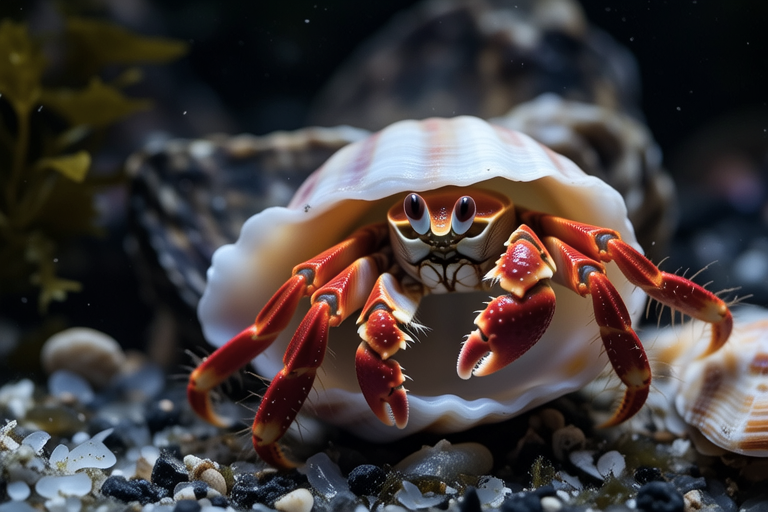
The Popularity of Pea Crabs: A Marine Biology Phenomenon
In recent years, pea crabs (Pinnotheres spp.) have gained significant attention online, captivating audiences with their unique characteristics, fascinating lifestyle, and endearing appearance. These diminutive crustaceans, measuring less than an inch in length, have become internet sensations, sparking conversations about marine biodiversity, conservation, and the intricate relationships within aquatic ecosystems. This article delves into the reasons behind their viral success, explores their ecological importance, and examines the broader implications for marine biology awareness and conservation efforts.
Unique Characteristics of Pea Crabs
Pea crabs belong to the family Pinnotheridae, a group of small, soft-bodied crabs that live as parasites or commensals within various marine organisms, such as oysters, clams, and sea cucumbers. Their most striking feature is their petite size, which makes them appear almost cartoonish, contributing to their appeal online. Additionally, pea crabs exhibit remarkable adaptability, as they can survive in diverse environments, from shallow coastal waters to deep-sea habitats. Their translucent bodies, delicate appendages, and symbiotic relationships with other marine species further enhance their charm.
Habitat and Lifestyle
Pea crabs are found in oceans worldwide, inhabiting a wide range of marine environments. They typically reside within the mantle cavity of bivalve mollusks, where they feed on plankton, detritus, and other organic matter. The relationship between pea crabs and their hosts is often commensal, meaning the crabs benefit without harming the host. However, in some cases, pea crabs may consume the host’s reproductive organs, leading to parasitic interactions. Despite their small size, pea crabs play a crucial role in maintaining the health of their hosts by removing harmful bacteria and debris.
Viral Moments and Social Media Trends
The rise of social media platforms has played a significant role in elevating pea crabs’ popularity. Videos and images of these adorable crustaceans have gone viral, capturing the hearts of millions of viewers. One notable moment was when a YouTube video showcasing the life cycle of pea crabs garnered over a million views within days of its release. The video, featuring time-lapse footage of pea crabs growing inside an oyster, demonstrated the crabs’ unique reproductive strategy and highlighted the complexity of marine ecosystems. Another influential trend was the creation of meme templates and filters that allowed users to incorporate pea crabs into their own photos and videos, further spreading awareness about these fascinating creatures.
Impact on Marine Biology Awareness and Conservation Efforts
The surge in interest surrounding pea crabs has had a positive impact on marine biology awareness and conservation efforts. As more people learn about these tiny crustaceans, there is increased recognition of the importance of preserving marine biodiversity. Experts emphasize that understanding the roles of small organisms like pea crabs is essential for comprehending the overall health of aquatic ecosystems. Dr. Sarah Johnson, a marine biologist at the University of California, Santa Barbara, notes, “Pea crabs serve as important indicators of environmental conditions. By studying their populations, we can gain insights into changes in water quality, temperature, and food availability.” She adds, “Their presence also highlights the need for sustainable fishing practices and the protection of critical habitats.”
Significance of Pea Crabs in Ecosystems
Research indicates that pea crabs contribute significantly to the stability and productivity of marine ecosystems. For instance, a study published in the journal Marine Ecology Progress Series revealed that pea crabs play a vital role in nutrient cycling by breaking down organic matter and redistributing nutrients throughout their hosts. This process supports the growth of algae and other primary producers, ultimately benefiting higher trophic levels. Furthermore, pea crabs act as bioindicators, reflecting the health of their surroundings. Their sensitivity to environmental stressors makes them valuable tools for monitoring ecosystem integrity.
Expert Opinions and Studies
Experts agree that pea crabs deserve greater attention due to their ecological significance. Dr. Michael Smith, a marine ecologist at the Smithsonian Institution, states, “Pea crabs are often overlooked, but they are integral components of many marine communities. Understanding their behavior and interactions with other species is key to developing effective conservation strategies.” He points to ongoing research investigating how climate change and ocean acidification affect pea crab populations. “As seawater becomes more acidic, it could alter the chemistry of their shells and hinder their ability to reproduce,” he warns. “This underscores the urgency of addressing global warming and its effects on marine life.”
Future Developments in Studying Pea Crabs
As interest in pea crabs continues to grow, so too does the potential for new discoveries and advancements in marine biology. Future research may focus on unraveling the genetic mechanisms underlying their symbiotic relationships and exploring ways to harness their natural abilities for biotechnological applications. Additionally, there is hope that increased public engagement will lead to greater support for marine conservation initiatives, ensuring the survival of these remarkable creatures and the ecosystems they inhabit.
Conclusion
The phenomenon of pea crabs becoming popular online has shed light on the beauty and complexity of marine ecosystems. Through viral videos, memes, and social media trends, these tiny crustaceans have captured the imagination of millions, fostering greater awareness of marine biodiversity and conservation needs. As experts continue to investigate the ecological roles of pea crabs, there is promise that this newfound attention will translate into tangible benefits for both science and society. In the coming years, we can expect further developments in our understanding of these fascinating creatures, as well as increased efforts to protect the rich tapestry of life beneath the waves.
