Adorable and Affectionate: Why Lop Rabbits Are Stealing Hearts Worldwide
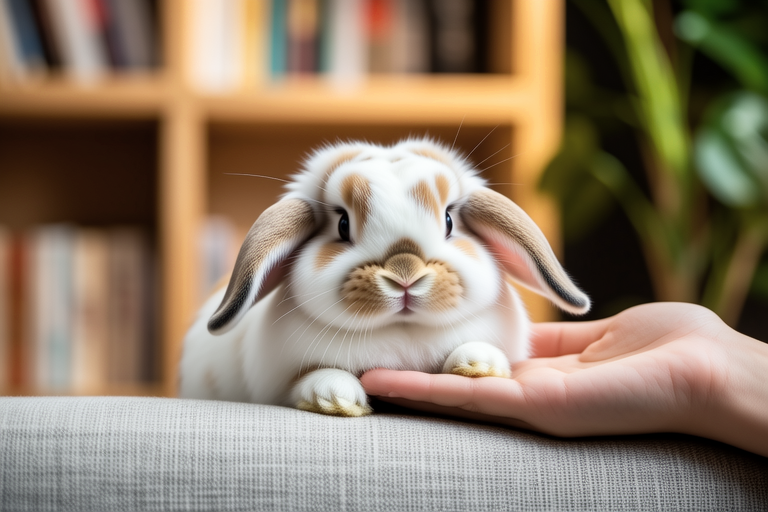
Lop rabbits, with their drooping ears and gentle demeanor, have become one of the most beloved pet rabbit breeds worldwide. These charming creatures are not only adorable but also known for their affectionate nature, making them perfect companions for families and individuals alike. This article delves into the unique characteristics of lop rabbits, their temperament, care requirements, and why they are becoming increasingly popular as pets.
The Unique Characteristics of Lop Rabbits
Lop rabbits are distinguished by their large, floppy ears that hang down on either side of their face. There are several types of lop rabbits, including English Lops, French Lops, Holland Lops, and Mini Lops. Each variety has its own distinct features, but all share the characteristic of having long, droopy ears. These ears can sometimes be a source of concern for new owners, as they may worry about injury or discomfort. However, lop rabbits are well-adapted to their ears and rarely experience issues related to them.
Besides their signature ears, lop rabbits come in a variety of colors and patterns, from solid white to black and brown, and even more complex combinations like tortoiseshell or agouti. Their coats are soft and plush, which makes them delightful to pet and cuddle. The average size of a lop rabbit ranges from small mini lops to larger breeds like the English Lop, which can weigh up to 12 pounds.
Affectionate and Gentle Temperament
One of the most appealing aspects of lop rabbits is their friendly and affectionate nature. They are known to form strong bonds with their human companions and often display signs of attachment, such as nudging their owners with their noses or following them around the house. Unlike some other rabbit breeds that might be more independent, lop rabbits enjoy interaction and thrive when given attention.
Lop rabbits are generally calm and easygoing, making them excellent choices for households with children or other pets. They are intelligent and can be trained to perform simple tricks, such as coming when called or using a litter box. Their docile nature also means they are less likely to engage in aggressive behaviors, which is important for maintaining a peaceful home environment.
Care Requirements for Lop Rabbits
Proper care is essential for keeping your lop rabbit healthy and happy. One of the most important aspects of rabbit care is providing a suitable living space. Lop rabbits need ample room to move around and exercise, so it’s recommended to give them a spacious cage or enclosure with plenty of hay and toys to keep them entertained. Additionally, they require regular access to a safe outdoor area where they can stretch their legs and enjoy fresh air.
Diet is another crucial factor in rabbit care. A balanced diet for lop rabbits consists mainly of hay, fresh vegetables, and a limited amount of pellets. It’s important to avoid feeding them too many treats, as this can lead to obesity and other health issues. Providing clean water at all times is also vital, as rabbits need to stay hydrated.
Grooming is necessary to maintain a lop rabbit’s coat and prevent matting. Regular brushing helps remove loose fur and keeps their skin healthy. In addition, it’s essential to trim their nails regularly to prevent overgrowth and discomfort. Lop rabbits should also have their ears checked periodically for any signs of infection or irritation.
Why Lop Rabbits Are Becoming Popular Pets
Lop rabbits are gaining popularity as pets due to their endearing appearance and affectionate nature. Their large, floppy ears make them instantly recognizable and adorable, while their gentle temperament makes them ideal companions for families and individuals. Many people are drawn to lop rabbits because they offer a unique and rewarding pet ownership experience.
Stories abound of lop rabbits forming strong bonds with their owners and displaying acts of affection that touch the hearts of those around them. For example, one owner shared how her lop rabbit would nuzzle her hand whenever she sat down, seeking comfort and attention. Another story tells of a lop rabbit who would follow his owner from room to room, never wanting to be left alone. Such tales highlight the emotional connection that can develop between lop rabbits and their human companions.
Tips for Caring for Lop Rabbits
To ensure your lop rabbit remains healthy and happy, here are some tips for proper care:
- Provide a spacious living area with plenty of hay and toys.
- Feed a balanced diet of hay, fresh vegetables, and limited pellets.
- Ensure access to clean water at all times.
- Regularly brush your lop rabbit’s coat to prevent matting.
- Trim their nails every few weeks to prevent overgrowth.
- Check their ears periodically for any signs of infection or irritation.
- Spay or neuter your lop rabbit to prevent health issues and behavioral problems.
- Provide opportunities for supervised outdoor playtime.
Addressing Common Myths and Misconceptions
Despite their growing popularity, there are still some common myths and misconceptions about lop rabbits that need addressing:
Myth: Rabbits are low-maintenance pets.
While lop rabbits may seem easy to care for, they actually require quite a bit of attention and effort. Providing them with a proper diet, adequate space, and regular grooming are all essential for their well-being. Additionally, rabbits need mental stimulation and social interaction to thrive, so spending time with your lop rabbit is crucial.
Myth: Rabbits don’t need much exercise.
Rabbits are active animals that need plenty of opportunities to run, jump, and explore. Without sufficient exercise, lop rabbits can become overweight and develop health problems. Providing them with a spacious living area and regular outdoor playtime is important for their physical and mental health.
Myth: Spaying or neutering rabbits is unnecessary.
Spaying or neutering your lop rabbit is highly recommended, as it can help prevent certain health issues and reduce unwanted behaviors. Unaltered rabbits are more likely to exhibit territorial aggression, urine marking, and other problematic behaviors. Additionally, spaying or neutering reduces the risk of reproductive cancers in females and prostate issues in males.
Conclusion
Lop rabbits are truly remarkable pets, combining charm, affection, and intelligence in a package that is hard to resist. With their large, floppy ears and gentle demeanor, they have captured the hearts of many people worldwide. By understanding their unique needs and providing proper care, you can ensure that your lop rabbit remains healthy, happy, and full of love. Whether you’re a seasoned rabbit owner or considering adding a lop rabbit to your family, these wonderful creatures are sure to bring joy and companionship for years to come.
