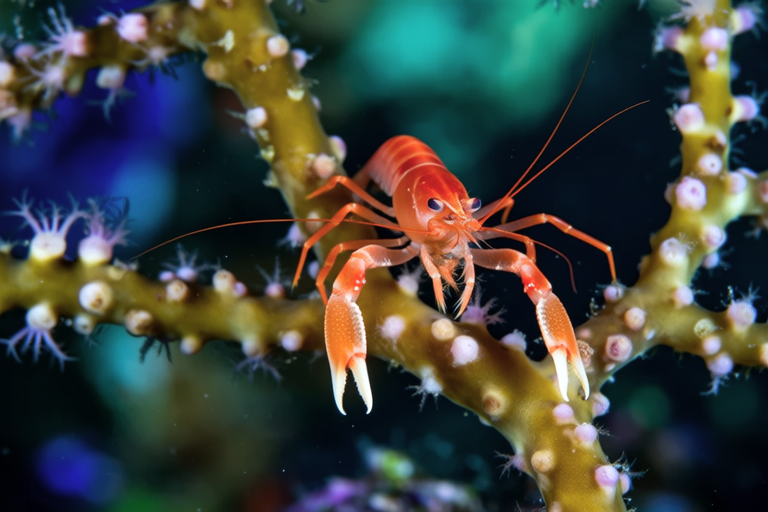
How Coral Shrimp Can Beautify and Clean Your Reef Tank
Introduction to Coral Shrimp Species Suitable for Reef Tanks
Coral shrimp, also known as cleaner shrimps, are fascinating creatures that can be an excellent addition to any reef tank. These tiny crustaceans belong to the family Hippolytidae and are characterized by their slender bodies and long antennae. Among the various species available, Periclimenes yucatanicus, commonly referred to as the Yucatan cleaner shrimp, and Periclimenes magnificus, the magnificent cleaner shrimp, are particularly popular among hobbyists. Both species are well-suited for reef tanks due to their small size, peaceful nature, and adaptability to diverse aquatic environments.
The Aesthetic Value Coral Shrimp Add to the Tank Environment
Incorporating coral shrimp into your reef tank not only enhances its functionality but also significantly boosts its visual appeal. Their vibrant colors and graceful movements create a captivating spectacle for observers. The translucent bodies of these shrimp often feature striking patterns or bright hues, such as red, blue, or yellow, which contrast beautifully against the backdrop of corals and live rocks. Furthermore, their constant activity—whether cleaning algae from surfaces or interacting with other tank inhabitants—adds a dynamic element to the overall ambiance of the aquarium.
How Coral Shrimp Contribute to the Cleanliness of the Reef Tank
One of the primary reasons aquarists choose coral shrimp is their role in maintaining water quality within the reef tank ecosystem. These diligent cleaners actively remove detritus, uneaten food particles, and harmful microorganisms from various surfaces throughout the aquarium. By doing so, they help prevent the accumulation of organic waste that could otherwise lead to ammonia spikes or oxygen depletion. Additionally, some species like P. yucatanicus have been observed engaging in symbiotic relationships with certain fish species, where they clean parasites from their hosts’ bodies, further contributing to the health of both parties involved.
Proper Care and Feeding Requirements for Coral Shrimp
To ensure optimal growth and longevity of your coral shrimp, it’s essential to provide them with appropriate living conditions alongside sufficient nutrition. Maintaining stable parameters such as temperature (between 72°F – 82°F), salinity levels around 1.020 – 1.025 specific gravity, and pH values within the range of 8.1 – 8.4 is crucial for sustaining healthy populations. Regarding diet, while these shrimp primarily subsist on scavenged leftovers in nature, supplementing their meals with commercial frozen foods designed specifically for invertebrates will promote robust development. It’s advisable to offer small portions multiple times daily rather than large single servings to mimic natural feeding habits more closely.
Compatibility Issues with Other Tank Inhabitants
When considering adding coral shrimp to an established reef tank, careful thought must be given to potential compatibility concerns with existing residents. Generally speaking, most peaceful community fish and sessile invertebrates coexist harmoniously alongside these beneficial cleaners; however, caution should be exercised when introducing predatory species or those known for aggressive territorial behaviors. For instance, larger wrasses or triggerfish might pose threats due to their propensity for preying upon smaller organisms. Similarly, certain coral types may release toxins harmful to shrimp if placed too close together initially.
Observations on the Behavior of Coral Shrimp in Different Reef Setups
The behavior exhibited by coral shrimp varies depending on factors such as tank size, substrate composition, lighting intensity, and presence/absence of hiding spots. Smaller enclosures tend to encourage more frequent interactions between shrimp and other inhabitants since there’s less space for individuals to retreat when feeling threatened. Conversely, larger systems allow greater freedom of movement and exploration opportunities, potentially leading to reduced stress levels among occupants. Lighting plays another critical role here – overly intense illumination can cause discomfort or even physical harm over extended periods, whereas dimmer settings facilitate better visibility during nighttime scavenging activities.
Tips for Successfully Introducing Coral Shrimp into an Existing Reef Tank
Integrating new life forms into an already populated reef environment requires thoughtful planning and execution to minimize disruptions while maximizing chances for successful integration. Start by acclimating newly acquired shrimp gradually using drip methods before fully releasing them into the main display area. This process allows time for adjustment without exposing vulnerable specimens immediately to full-strength water chemistry differences. Once introduced, monitor closely for signs of distress or aggression from other occupants; relocating affected parties temporarily until tensions subside might become necessary under certain circumstances.
Additionally, providing ample shelter options through strategically positioned rocks, caves, or artificial structures helps establish secure territories for each individual, thereby reducing competition and promoting peaceful coexistence. Finally, maintaining regular maintenance schedules including partial water changes, filter media replacements, and routine inspections ensures continued stability within the system, supporting thriving communities comprised of diverse yet complementary components.
