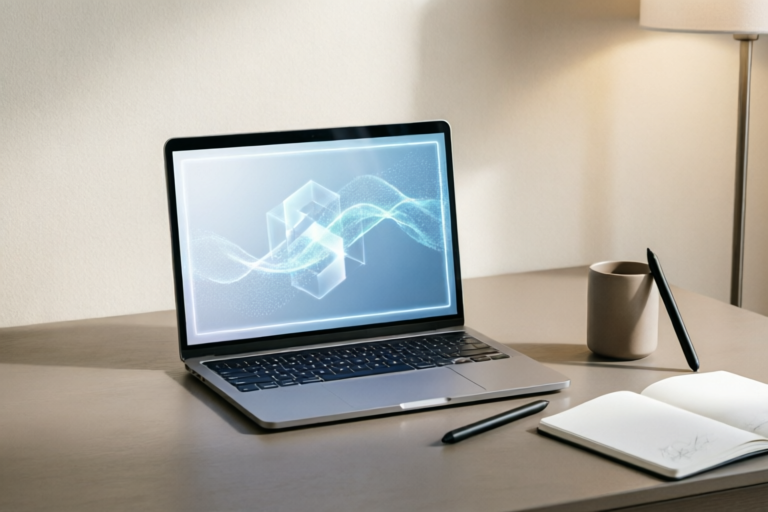
AI Prompt for Creating Unique Product Images
Enhance Your Product Imagery with AI-Powered Creativity
1. Introduction to AI in Product Image Creation
Overview of AI Technology and Its Application in E-Commerce
The rapid advancement of artificial intelligence (AI) has significantly impacted various sectors, including e-commerce. One of the most promising applications of AI in this field is the creation of unique product images. These images play a crucial role in attracting potential customers and driving sales.
Importance of Unique Product Images in Online Sales
In today's competitive market, standing out from competitors is essential. Unique product images not only make your offerings more appealing but also help establish brand identity and trust among consumers. High-quality, visually engaging images can increase click-through rates and conversion rates.
Brief Introduction to AI Prompts and Their Role in Generating Creative Visuals
An AI prompt is essentially a set of instructions given to an AI system to generate specific outputs, such as images. By providing detailed descriptions or keywords, users can guide the AI to create customized visuals tailored to their needs. This process allows businesses to produce innovative and captivating product images without requiring extensive design skills.
2. Understanding the Basics of AI Prompts
Definition and Explanation of AI Prompts
An AI prompt serves as a blueprint for the desired output. It includes details like the subject matter, style, mood, and any other relevant information that helps the AI understand what kind of image you're looking for. For example, if you want an image of a futuristic cityscape at night, your prompt might include terms like 'neon lights,' 'skyscrapers,' and 'dark sky.'
How AI Understands and Processes Prompts to Generate Images
Modern AI systems use deep learning algorithms to analyze vast amounts of data and learn patterns. When provided with a prompt, these systems interpret the text by breaking it down into its constituent parts—words, phrases, and concepts—and then searching through their database for similar patterns. Based on this analysis, they generate new content that aligns with the specified criteria.
Key Elements to Consider When Crafting Effective Prompts
To ensure optimal results when working with AI prompts, it's important to be precise yet flexible in your wording. Include enough detail so that the AI can accurately grasp your vision while leaving room for creativity. Additionally, think about aspects such as perspective, scale, texture, and lighting which will influence the final outcome.
3. Crafting Effective AI Prompts for Unique Product Images
Tips for Writing Clear and Specific Prompts
When creating prompts for AI-generated product images, clarity is key. Use straightforward language and avoid ambiguity wherever possible. Specify exactly what you're aiming for in terms of composition, color palette, and overall atmosphere. For instance, instead of saying 'a picture of a laptop,' try something more descriptive like 'a sleek silver laptop resting on a wooden desk under soft ambient light.' This level of specificity ensures better alignment between your expectations and the actual output.
Incorporating Creativity and Originality into Your Prompts
While precision matters, don't forget to inject some creativity into your prompts. Experiment with different angles, themes, and artistic approaches to stand out from the crowd. Encourage the AI to think outside the box by introducing unexpected elements or blending multiple genres together. For example, combine elements from fantasy and reality to create a truly unique piece that captures attention.
Common Pitfalls to Avoid When Using AI for Image Generation
Despite its many advantages, there are certain challenges associated with using AI for image generation. One common mistake is over-reliance on generic templates or clichéd descriptions. Another issue could arise from insufficient feedback during the iterative process. Always review the generated images critically and provide constructive feedback to refine subsequent iterations until you achieve satisfactory results.
4. Exploring Different Styles and Techniques with AI
Overview of Various Artistic Styles That Can Be Achieved Through AI
Thanks to advancements in machine learning techniques, today's AI tools offer unparalleled flexibility when it comes to styling options. From photorealistic depictions to abstract interpretations, virtually any aesthetic preference can be accommodated. Some popular styles include impressionism, cubism, watercolor effects, and even hyper-realism. Depending on your target audience and marketing strategy, choosing the right style can significantly impact how your products are perceived.
Techniques for Adjusting Lighting, Color Schemes, and Composition
Once you've settled on a general style direction, fine-tuning various parameters becomes crucial. Adjustments related to lighting can dramatically alter the mood of an image; warmer tones tend to evoke feelings of comfort and warmth whereas cooler hues may suggest professionalism or tranquility. Similarly, playing around with color schemes can highlight particular features or convey specific messages about your brand personality. Lastly, paying attention to composition ensures that all elements within the frame work harmoniously together.
Examples of Successful AI-Generated Product Images Across Different Industries
Many companies have successfully leveraged AI technology to improve their visual content across diverse sectors ranging from fashion retail to tech gadgets. In fashion, brands use AI to create virtual try-ons allowing customers to visualize outfits before purchasing. Tech firms benefit from realistic renderings of prototypes helping them secure funding faster. Even food delivery services employ stylized photographs enhancing user experience and boosting order rates.
5. Practical Applications and Case Studies
Real-World Examples of Businesses Using AI to Enhance Product Imagery
Several notable enterprises have already integrated AI into their workflow for generating product images. For instance, luxury skincare brand La Mer utilizes AI-powered software to produce high-definition close-ups showcasing the intricate textures of its creams and serums. Meanwhile, furniture retailer IKEA employs advanced algorithms to render accurate three-dimensional models of its products enabling customers to preview items in their homes virtually.
Step-by-Step Guide on How to Implement AI Image Generation in Your Own Business
If you're interested in adopting similar strategies within your organization here’s a simple roadmap:
Identify areas where improved visuals could benefit your business.
Research available AI tools and platforms offering image generation capabilities.
Develop a clear understanding of your target audience preferences.
Create well-defined prompts based on insights gathered.
Test different variations iteratively refining outputs until satisfied.
Benefits Observed by Companies Who Have Adopted This Approach
Businesses that have embraced AI-driven image creation report significant improvements in customer engagement metrics such as higher average order values lower return rates increased social media shares etc. Moreover, they often witness cost savings due reduced reliance on traditional photography services.
6. Conclusion and Future Outlook
Recap of Key Points Discussed in the Article
This article delves into the world of AI-powered image creation highlighting its potential benefits for e-commerce businesses. We explored fundamental concepts behind AI prompts examined best practices for crafting effective ones discussed various artistic styles achievable via this medium shared practical case studies and outlined steps for implementation.
Potential Future Developments in AI-Driven Image Creation
As technology continues evolving we anticipate further enhancements in areas such as real-time rendering interactive experiences seamless integration with augmented reality solutions etc. These innovations promise even greater possibilities opening doors for more sophisticated applications.
Encouragement for Readers to Experiment with AI Tools for Their Products
We encourage everyone reading this piece to take advantage of available resources experiment freely and push boundaries. The sooner you start leveraging these powerful tools the sooner you'll reap rewards in terms of enhanced competitiveness and profitability.
Comments

The output quality is impressive. It's a game changer for visual content creators like me.

Great start! Maybe include some examples of different industries using this technique.

I used this prompt to generate images for my new product line. Customers are responding positively!

Would it be possible to add a feature that allows for more control over lighting and color?

This works great for generating unique images. Saved this prompt for future projects.
Love the idea of using AI to stand out from competitors. Any tips for making the prompts more detailed?

How do I adjust the style of the images? Can you add more options for different artistic styles?
This prompt really helped me create some eye-catching product images for my online store. Thanks!