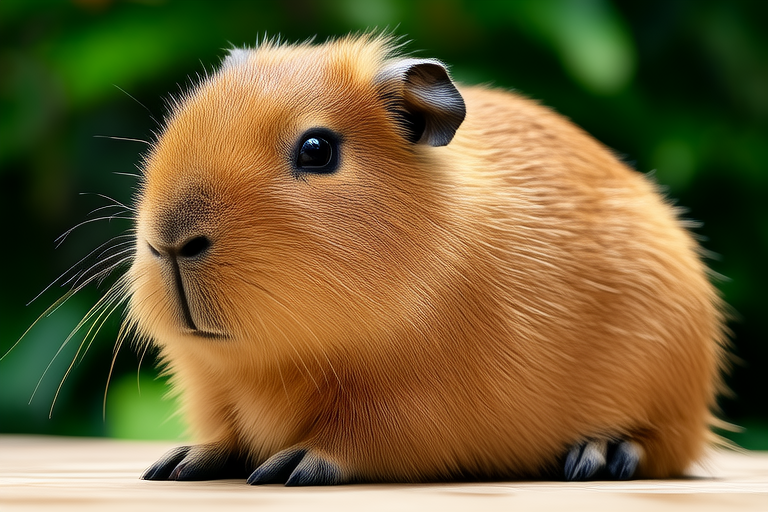
Top 10 Fun Facts About Your Silky Guinea Pig Companion
Welcome, guinea pig enthusiasts! Whether you’re a seasoned owner or just starting your journey into the world of these delightful creatures, there’s always something new to learn about your silky guinea pig companion. These unique animals have captured the hearts of many with their charming personalities and distinctive appearance. Let’s dive into ten fascinating facts about silky guinea pigs that will surely enrich your understanding and appreciation of these wonderful pets.
1. The Unique Coat: A Natural Mutation
The silky guinea pig stands out from other breeds due to its lustrous, flowing coat. This luxurious fur is the result of a genetic mutation known as the ‘Silk’ gene. Unlike regular guinea pigs, which have short, smooth hair, silky guinea pigs inherit long, fine, and soft hair that requires special care. This mutation affects the structure of their hair follicles, producing longer strands that give them their signature look.
2. Historical Background: From Wild to Domesticated
Guinea pigs, including the silky variety, have a rich history dating back thousands of years. Originating in South America, they were initially domesticated by indigenous tribes for their meat. Over time, these animals became popular as pets, particularly in Europe during the 16th century. The silky guinea pig, however, is a more recent addition to the family, appearing in the early 20th century in England. Their distinct appearance quickly made them a favorite among guinea pig enthusiasts.
3. Social Creatures: The Importance of Companionship
Silky guinea pigs are highly social animals and thrive in the company of others. In the wild, they live in groups called herds, and this behavior carries over into domestic settings. It’s recommended to keep at least two guinea pigs together to ensure they have companionship and mental stimulation. They communicate through a variety of sounds, including purring, squeaking, and even chirping, which can be quite entertaining for their human caregivers.
4. Behavior: Playful and Curious
One of the most endearing qualities of silky guinea pigs is their playful nature. They love to explore their surroundings, investigate new objects, and engage in activities like running, jumping, and burrowing. Providing toys, tunnels, and safe spaces for them to play in can help satisfy their curiosity and keep them active. Additionally, they enjoy being petted and spending quality time with their owners, making them excellent companions.
5. Diet: Nutritional Needs and Treats
Proper nutrition is crucial for maintaining the health and well-being of silky guinea pigs. Their diet should primarily consist of high-quality hay, fresh vegetables, and a limited amount of pellets designed specifically for guinea pigs. Fresh water must also be available at all times. While treats can be given occasionally, it’s important to choose healthy options like small pieces of fruit or vegetables. Avoid feeding them anything that could be harmful, such as chocolate, caffeine, or sugary snacks.
6. Grooming: Special Care for Silky Coats
The silky guinea pig’s long, delicate hair requires regular grooming to prevent matting and tangles. Brushing their coat several times a week helps remove loose hair and distribute natural oils. Bathing should be done sparingly, as over-bathing can strip their skin of essential oils. Use a gentle shampoo specifically formulated for guinea pigs and ensure they are thoroughly dried after each bath to prevent chills.
7. Health: Common Issues and Preventive Measures
Like any pet, silky guinea pigs can be prone to certain health issues. Dental problems are common due to their continuously growing teeth, so providing plenty of hay and chew toys can help keep their teeth in check. Regular vet check-ups are also important for early detection and treatment of potential health concerns. Signs of illness include changes in appetite, unusual behavior, or physical discomfort, so it’s essential to monitor their overall well-being closely.
8. Lifespan: Expectations and Care
The average lifespan of a silky guinea pig ranges from four to eight years, depending on various factors such as genetics, environment, and care. To ensure they live a long and healthy life, provide them with a clean, spacious living area, a balanced diet, and regular veterinary care. Mental and physical stimulation through play and interaction with their owners can also contribute to their longevity.
9. Training: Teaching Basic Commands
While guinea pigs may not be as trainable as dogs, they can still learn basic commands and behaviors with patience and positive reinforcement. Simple tasks like coming when called or responding to their name can be taught using treats and praise. Consistency is key, and training sessions should be kept short and fun to maintain their interest and enthusiasm.
10. Amusing Anecdotes: Fun and Unusual Behaviors
Silky guinea pigs often display amusing behaviors that can bring joy and laughter to their owners. Some may engage in what appears to be ‘dancing,’ especially when excited or happy. Others might exhibit quirky habits like carrying objects around in their mouths or building nests. Observing these unique behaviors can deepen the bond between pet and owner, making every day with your silky guinea pig a delightful experience.
Call to Action: Share Your Experiences!
We hope you’ve enjoyed learning more about your silky guinea pig companion. Whether you’re sharing stories of your pet’s antics or seeking advice on caring for them, we encourage you to join our community and share your thoughts. Feel free to comment below with your own experiences or questions about silky guinea pigs. Together, we can continue to grow our knowledge and appreciation for these amazing creatures.
